
Show summary Hide summary
When Jim Koch first brewed a full‑flavored Boston Lager on his kitchen stove, he set in motion a transformation that still shapes beer aisles and taproom menus today. As craft beer captures more of the market and drinker tastes fragment, how Samuel Adams balances mass reach with a small‑batch mindset matters for consumers and competitors alike.
From a family recipe to an industry spark
Koch’s early experiments were rooted in a family brewing tradition and a refusal to follow the bland, mass‑produced lagers dominating shelves in the 1980s. What began as a house brew based on an ancestral recipe quickly attracted attention, and growth followed: small Boston pub releases led to regional production, and eventually nationwide distribution.
Caramel, butterscotch, toffee: how their differences affect your desserts
McDonald’s rebrands Twitter to honor Bubba Wallace after his first NASCAR Cup win
That expansion included returning, oddly enough, to Midwestern ties—Koch later acquired a brewery facility tied to his father’s former employer—linking a modern craft brand to generations of American brewing. The company’s rise helped open space on store shelves for dozens of independent brewers that followed.
A brand built on a deliberate name
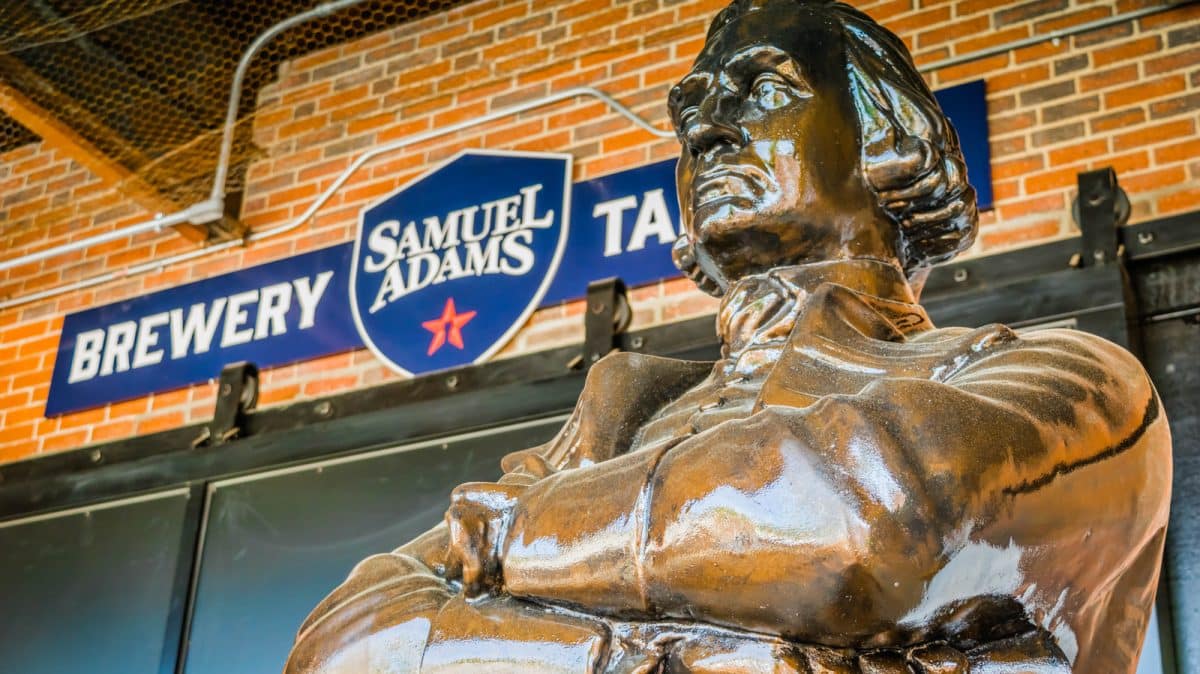
Samuel Adams was named to evoke the same rebellious energy the founder wanted for his beer: a break from the status quo and a claim to an authentic American brewing identity. The choice was never just marketing; it was meant to signal a wider ambition—to create beers that invited drinkers to expect more than the default light lager.
That positioning has shaped how the company speaks about itself publicly and how it allocates resources behind the scenes, keeping experimentation and quality at the core even as volumes rose.
Maintaining a craft mindset at scale
Scaling up did not mean abandoning research and development. Sam Adams invested in in‑house tasting labs, pilot brewhouses and collaborative projects with growers. The brewery’s long‑running mentorship program, Brewing the American Dream, supports entrepreneurs in the food and beverage sector, offering training, loans and mentorship—efforts that by 2020 had helped thousands of small businesses and created jobs.
Leaders at the company emphasize that growth was paired with strict quality controls and a commitment to keep pushing technique and flavor rather than relying solely on reputation.
Where experimentation meets the public
Taprooms have become living laboratories. Visitors encounter beers that never leave the brewery floor and give immediate feedback that informs whether a recipe moves forward. Customer requests have directly shaped the lineup: fruit‑led ales, lighter beers and even nonalcoholic IPAs emerged after testing and consumer input.
The R&D process is iterative—many ideas fail quietly. Internal trials have produced flops (one brewer’s experiment with a nitrogen‑conditioned IPA didn’t survive) as well as advances that became industry staples: a proprietary pint glass to preserve head retention, and collaborations with hop growers that refined harvest timing to extract fuller aroma and flavor.
- Seasonal beers: helped popularize beers tied to the calendar, starting with an early doppelbock release in the late 1980s.
- Taproom incubators: on‑site releases and direct feedback accelerated product development.
- Brewing the American Dream: long‑running small business support program.
- Process innovations: filtration and mash refinements that informed the 2023 Boston Lager update.
- Utopias: ultra‑rare, barrel‑aged, high‑ABV releases that blur lines between beer and spirit.
Adapting recipes without losing identity
Even flagship beers have been revisited. In 2023, the company introduced a refreshed version of its signature lager, applying newer filtration techniques and tweaking mash chemistry so the beer reads brighter while preserving its familiar profile. That approach—honoring a recipe’s character while refining texture and clarity—reflects a broader industry trend: legacy brands evolving to meet modern expectations.
Similarly, product strategy has shifted in response to changing demand: early focus on lagers expanded into seasonals, hop‑forward styles, fruit beers and lower‑alcohol offerings. The development of a nonalcoholic IPA illustrates the company’s willingness to move into categories it once viewed skeptically, when the market made the case.
The immediate implications for drinkers
For consumers, Samuel Adams’ trajectory means two concrete things: broader availability of innovative styles in mainstream retail, and a faster pace of new releases that test trends before they spread to smaller breweries. Because the brand operates at scale but still runs pilots and taproom tests, it often serves as an early amplifier of what’s next in beer.
What to watch next
Company representatives indicate the pipeline includes more seasonal releases, continued exploration of lower‑ABV formats and fruit‑forward beers, and further experiments that blend traditional brewing with novel ingredients and aging techniques. Expect a mix of cautious refinement of classics and bolder, limited releases aimed at enthusiasts.
Why this matters today: with craft beer holding a meaningful share of the market and drinker preferences shifting rapidly, how established brands innovate determines which styles become mainstream. Sam Adams remains a useful bellwether—its choices influence what shoppers find on shelves and what smaller brewers consider viable to produce.
Irish whiskey: approachable bottles new drinkers should try today
Fishtown restaurants ranked: must-visit spots locals are raving about










