Show summary Hide summary
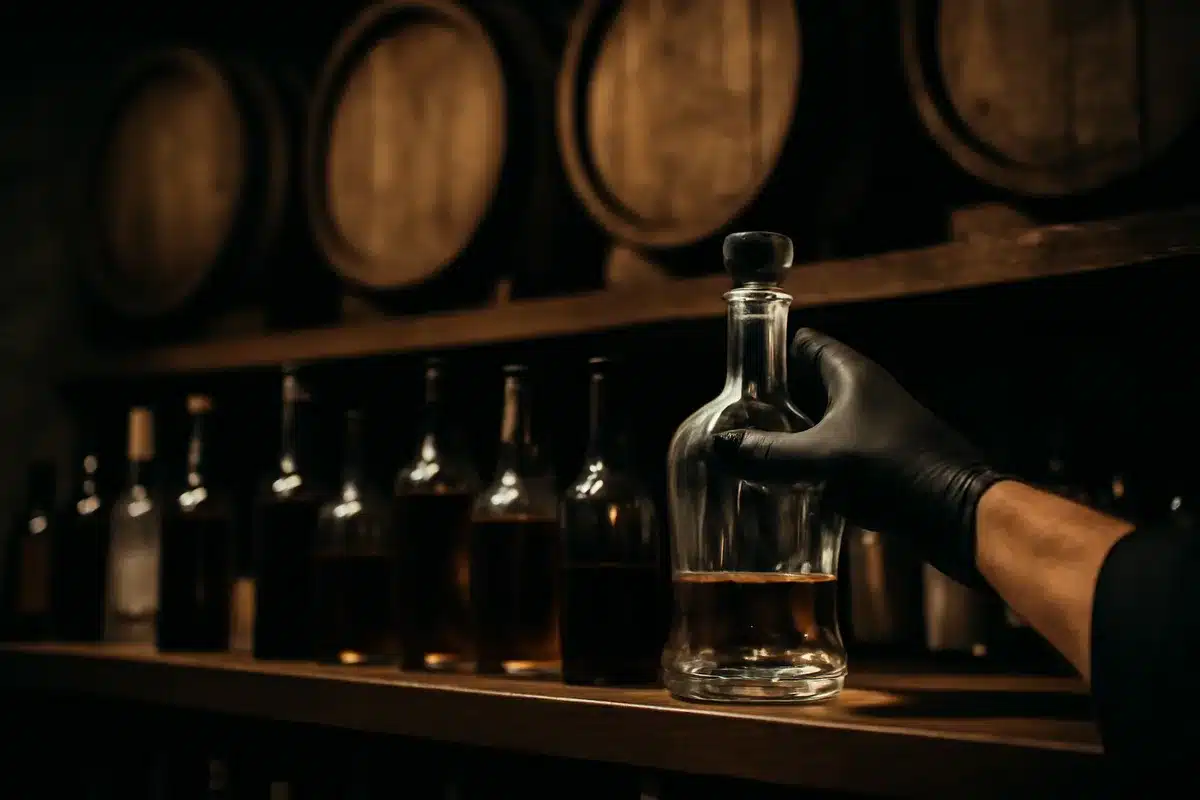
With whiskey culture booming—from home bartenders to collectors—knowing what sets Canadian whisky and American whiskey apart is more useful than ever. The differences affect taste, price and how you use a bottle, whether you’re mixing cocktails or hunting limited releases.
Spelling and legal frameworks: a quick primer
Caramel, butterscotch, toffee: how their differences affect your desserts
McDonald’s rebrands Twitter to honor Bubba Wallace after his first NASCAR Cup win
One immediately noticeable distinction is orthography: in the United States the spirit is usually spelled “whiskey”, while in Canada the preferred form is “whisky”. That difference hints at deeper legal and cultural divides that shape how each country defines the category.
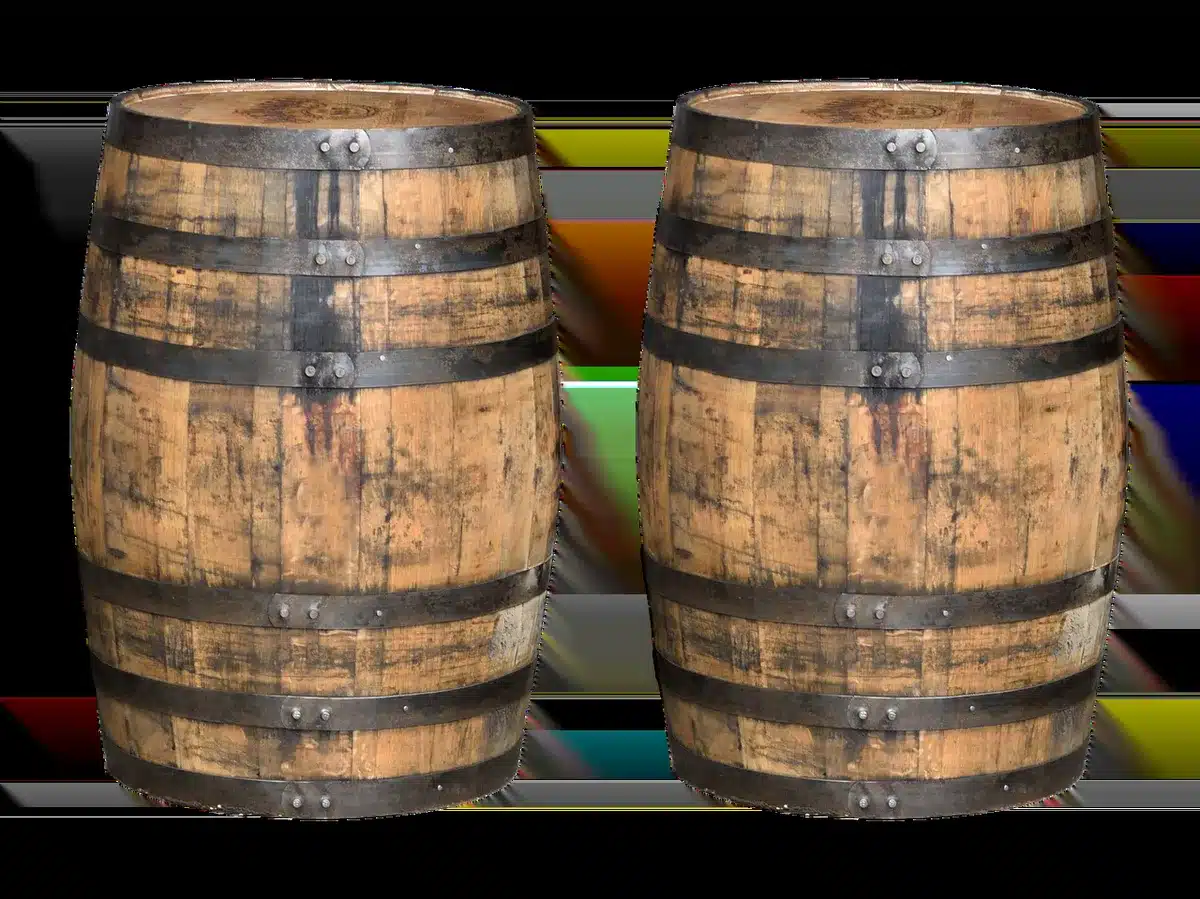
American regulations carve whiskey into specific types—such as bourbon, rye and Tennessee whiskey—each tied to minimum grain percentages, aging practices and barrel requirements. Canadian law is less prescriptive about grain composition. Instead it focuses on aging and labeling rules, allowing a broader range of recipes and blending approaches under the single umbrella of Canadian whisky.
How production choices steer flavor
Barrel policy is one of the clearest drivers of difference. Many American styles require aging in new, charred oak barrels, which tend to impart bolder notes of spice, vanilla and caramel. Canadian whiskies are often aged in previously used casks as well as new wood, and can even finish in barrels that once held wine or other spirits—decisions that expand the spectrum of subtler aromas and textures.
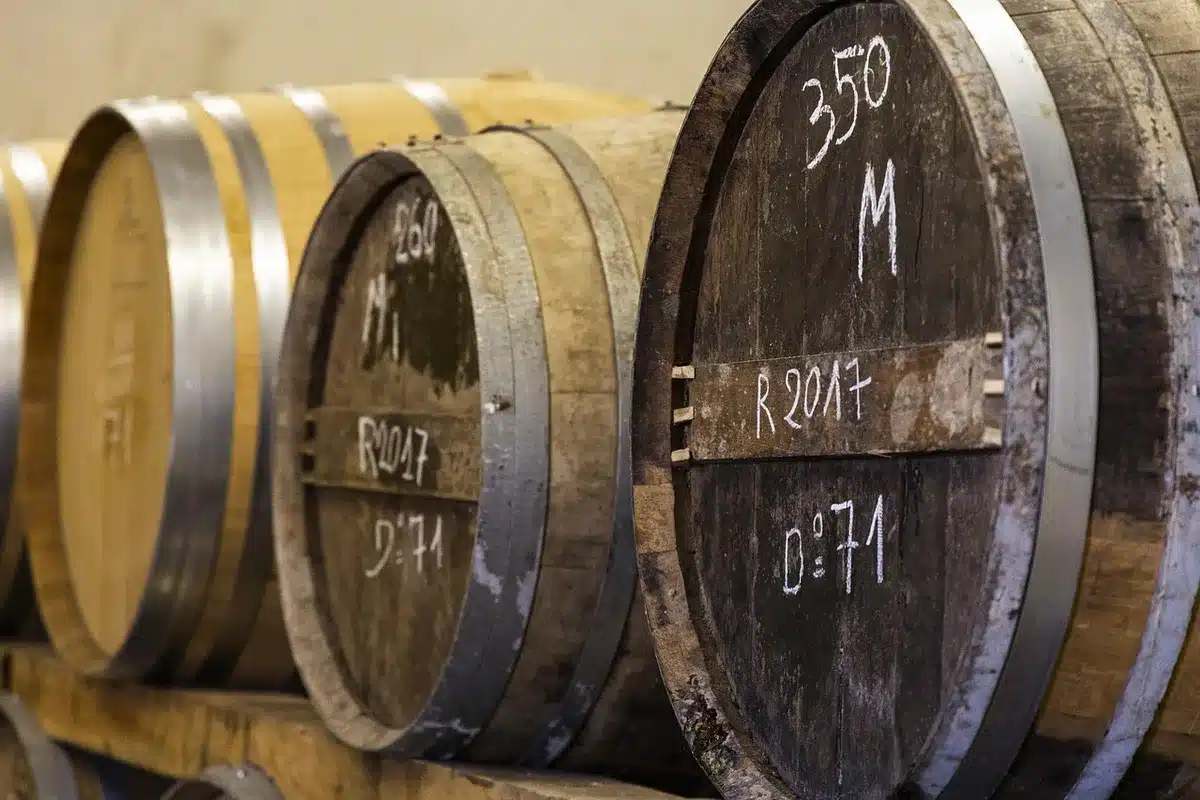
Production methods also matter: column stills, commonly used in Canadian distilleries, yield a lighter, cleaner distillate, while pot stills preserve more of the grain’s character. Because Canadian brands frequently blend a neutral base with flavoring whiskies (often rye or wheat), the final products are often perceived as smoother and more restrained than some American counterparts.
- Legal definition: U.S. categories demand minimum grain percentages for named types (e.g., at least 51% corn for bourbon). Canada does not require the same grain thresholds.
- Barrels: American rules favor new charred oak for many styles; Canadian whiskies commonly use used barrels and a variety of woods and finishes.
- Aging: Canadian whisky must be aged at least three years; U.S. styles have varied aging labels and rules depending on type and designation.
- Flavor profile: Expect bolder oak-driven spice and sweetness from many American whiskeys; Canadian whisky often leans toward a lighter, blended character.
- Spelling: “Whiskey” (U.S.) versus “whisky” (Canada)—a small signpost of larger differences.
What this means at the bar and on the shelf
For cocktail enthusiasts, the differences suggest practical choices rather than strict rules. Use a fuller-bodied American rye or bourbon when a drink calls for assertive grain and oak notes; reach for a Canadian whisky when you want a softer, more neutral backbone that lets other ingredients sing.
For buyers, the market dynamic is worth noting: American bottles span from inexpensive daily-drink options to highly collectible single-barrel or limited-release bourbons that can fetch hundreds or even thousands of dollars. Canadian whiskies are often positioned in a mid-range price band but also include rare, high-end releases aimed at collectors.
Brands and typical price cues
Here are representative names you’ll encounter and what to expect about cost and style:
- American examples: Jack Daniel’s, Buffalo Trace, Four Roses, Wild Turkey, Angel’s Envy, Blanton’s, WhistlePig — styles range from approachable blends to premium, cask-specific releases.
- Canadian examples: Crown Royal, Canadian Club, Wiser’s, Alberta Premium, Lot 40, Pike Creek — generally smooth, often blended, with some specialty bottlings aimed at enthusiasts.
- Price guide: everyday bottles can start in the low tens of dollars; many quality offerings fall in the $30–$60 range; limited or aged expressions can climb substantially higher.
Understanding these distinctions helps when choosing a bottle for sipping, gifting or mixing. As global demand and craft experimentation continue to grow, both Canadian and American producers are expanding their portfolios—so expect even more variety on shelves in the coming years.
Irish whiskey: approachable bottles new drinkers should try today
Fishtown restaurants ranked: must-visit spots locals are raving about