Show summary Hide summary
Owners of Keurig 2.0 machines still face a practical problem: the brewer’s built‑in digital lock can refuse non‑Keurig pods, limiting choices and raising costs. Here are the safest and most common ways people have legally and mechanically worked around that restriction — and the risks you should weigh before trying them.
Use a reusable filter
Fishtown restaurants ranked: must-visit spots locals are raving about
15-minute snacks to make today: 16 easy recipes from cheesy nachos to snickers-inspired bites
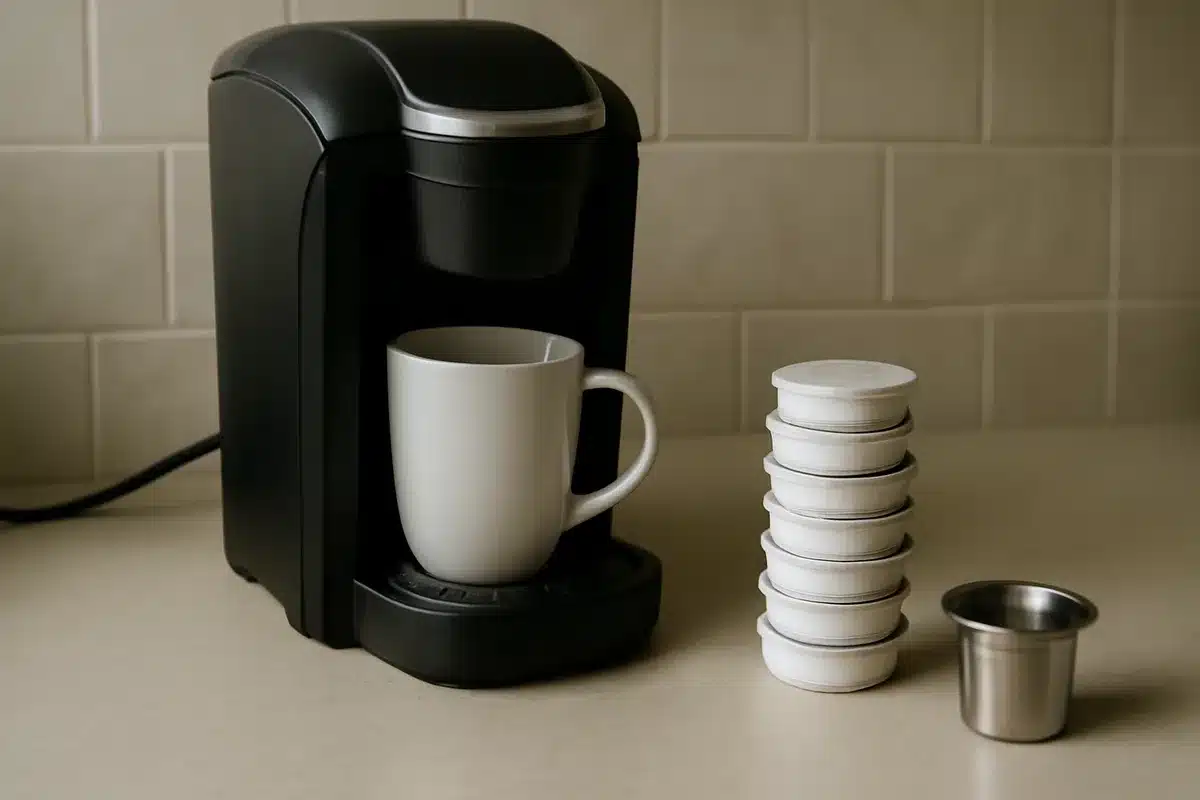
For most users the simplest option is a refillable basket that accepts your own grounds. Keurig eventually brought back its official reusable cup, and several third‑party stainless or plastic filters are widely available. These let you use any coffee you prefer, reduce single‑use waste and avoid tinkering with the machine’s electronics.

Benefits are practical: control over grind and strength, and reliable brewing without altering the brewer. On the downside, results vary with grind size and tamping; very fine grounds can clog the needle and require more cleaning.
Mask the brewer’s identifier
Keurig 2.0 machines check pod lids with an optical reader that looks for a branded mark. Some users remove the foil lid from an authentic pod and apply just the colored edge over a third‑party lid so the machine registers it as compatible. Others save branded foil tops and place them over non‑branded pods when brewing.
These fixes don’t require tools and are reversible, but they add steps to each brew and can be messy. If you try this, be careful not to block vent holes or alter pod structure in a way that could cause leaks.
Clip‑on converters and stickers
After the 2.0 launch, entrepreneurs developed small clip‑on devices that sit over the pod and fool the lid sensor. Parallel solutions include tiny neon labels positioned on the pod rim to simulate the machine’s expected color pattern. Both approaches rely on the same principle: supplying the brewer’s sensor with the visual cue it seeks.

- Clip converters — quick to attach and reusable; many users report reliable performance.
- Color stickers — inexpensive and simple, but require proper placement for consistent results.
- Branded foil pieces — more hands‑on and reusable if you keep the foil intact.
Internal modifications: high reward, higher risk
Some hobbyists go further by opening the lid assembly to disconnect or disable the optical sensor. That can permanently stop the machine from checking pod branding and restore full pod compatibility.
This is the most invasive option. It will almost certainly void any warranty, can damage the brewer, and carries a real risk of creating an unsafe appliance if reassembly is done poorly. Reports of initial success are mixed; manufacturers sometimes change wiring or component layouts, so a method that worked on one unit may fail on another.
Quick comparison: ease, cost and risk
| Method | Typical cost | Ease | Risk to warranty |
|---|---|---|---|
| Reusable filter | Low–moderate | Easy | None |
| Branded foil or stickers | Very low | Easy–moderate | Low |
| Clip converters (Freedom Clip, SoloClip style) | Low–moderate | Easy | Low |
| Internal sensor modification | None–low (tools only) | Difficult | High |
Practical advice: if you want a trouble‑free, reversible solution, start with a reusable cup or a clip‑on device. Using stickers or foil is cheap and quick but a little fiddly. Avoid disassembling the brewer unless you are comfortable with small electronics and accept that the device may be permanently affected.
What to remember: the Keurig 2.0 uses an optical check to enforce branded pods — that’s why these workarounds exist — but any change that involves the machine’s internals or voids the warranty should be considered carefully. For most people, a reusable filter or a commercially made clip restores flexibility without the complications of repairs or replacements.
Free cheeseburgers at Five Guys: one easy ordering trick shoppers swear by
Moscatos for beginners: 10 crowd-pleasing bottles to buy now