Show summary Hide summary
A minor change in where and how you keep raw chicken and turkey can make a big difference for kitchen safety. Proper placement and packaging reduce the chance that juices contaminate ready-to-eat foods — and that matters now as more people cook at home and handle raw poultry on busy weeknights.
Why storage matters now
Foodborne bacteria such as Salmonella and Campylobacter are commonly found on raw poultry. When juices drip or splatter onto cutting boards, produce, or prepared dishes, those pathogens can spread quickly. Simple habits — where you place a package in the fridge or how you wrap it — directly affect the risk of illness for you and your family.
Caramel, butterscotch, toffee: how their differences affect your desserts
McDonald’s rebrands Twitter to honor Bubba Wallace after his first NASCAR Cup win

How contamination typically happens
Cross-contamination is rarely dramatic. It’s usually the result of tiny leaks, a towel used for both raw meat and salad, or thawing a package on a counter. Left unchecked, microscopic bacteria on poultry can transfer to utensils, hands, and surfaces that touch ready-to-eat items.
Practical steps to cut risk
Adopt these storage habits to minimize exposure. They are quick to implement and reduce the need for emergency cleanup later.
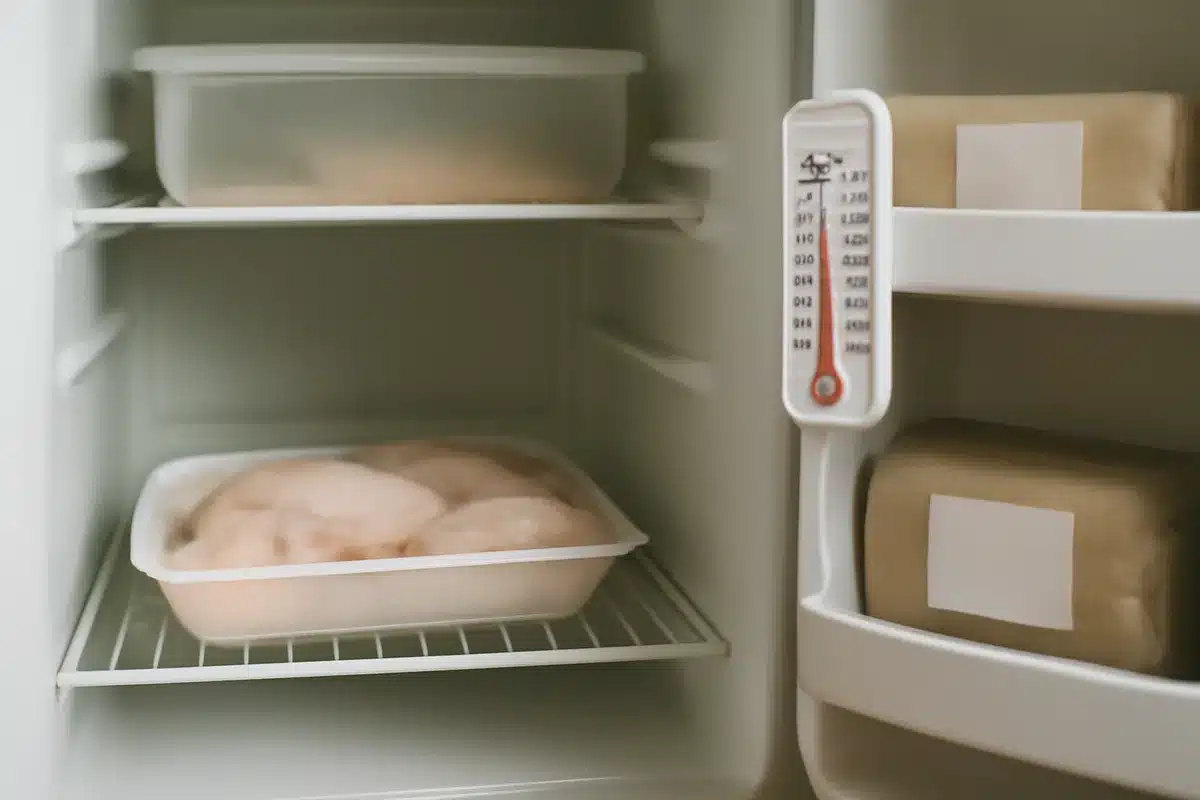
- Always store raw poultry on the bottom shelf of the refrigerator so any leaks don’t drip onto other foods.
- Keep poultry in a sealed, leak-proof container or double-bag it before refrigerating.
- Label packages with the date you stored them and use older items first.
- Do not rinse raw poultry — splashing can spread bacteria around the sink and counters.
- Thaw frozen poultry in the refrigerator, in cold water changed every 30 minutes, or in the microwave; never leave it out at room temperature.
- Wash hands and sanitize surfaces immediately after handling raw poultry.
Where cold and time meet safety
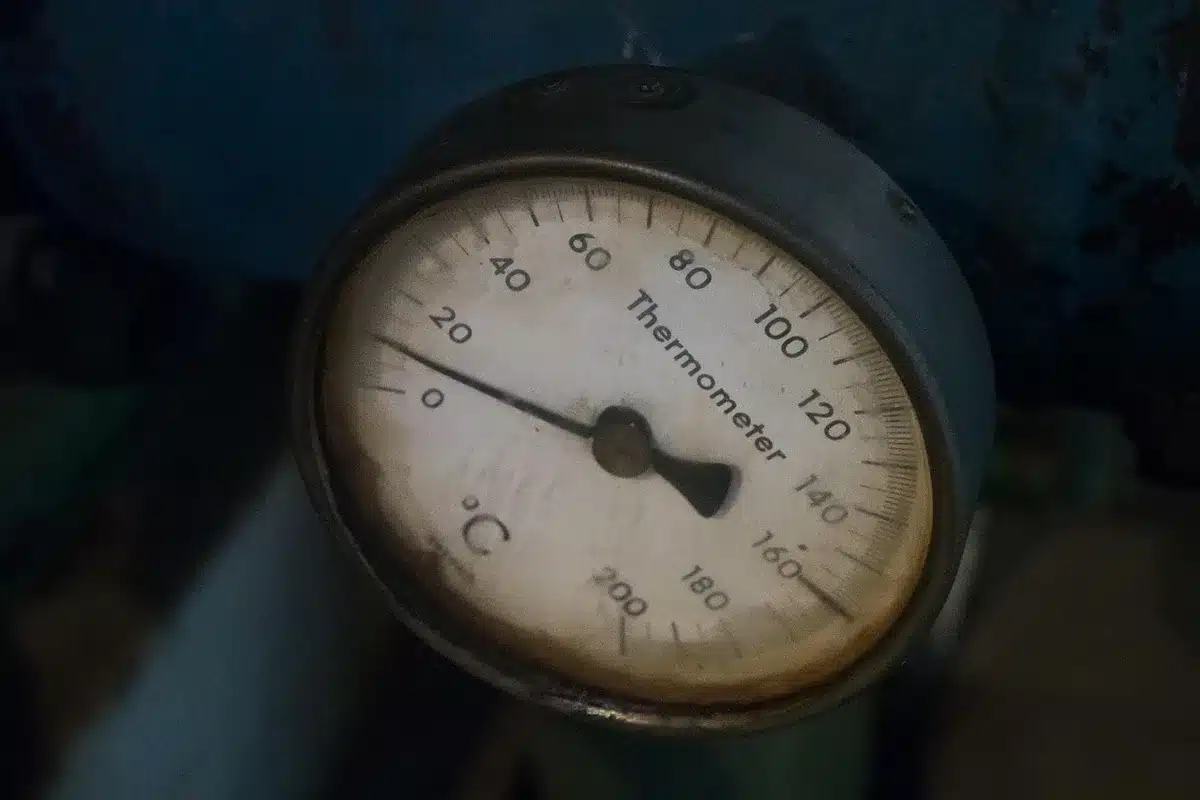
Temperature control is the backbone of safe storage. The refrigerator should run at or below 40°F, and the freezer at 0°F or lower. Use the times below as a practical rule of thumb for quality and safety.
| Storage location | Common guideline |
|---|---|
| Refrigerator (≤ 40°F) | Raw poultry: 1–2 days |
| Freezer (0°F) | Pieces: up to 9 months • Whole bird: up to 12 months |
Small changes, immediate benefits
Moving poultry to a lower shelf and sealing it carefully are low-effort actions with immediate payoff: fewer spills to clean, less chance of hidden contamination, and safer meals. For those preparing food for others — children, older adults, or people with weakened immune systems — these habits can be especially important.
If you cook regularly, consider keeping a dedicated container for raw meats and a simple thermometer in your fridge. Those small investments make it easier to maintain consistent, safe practices without adding time to meal prep.
Bottom line: place raw poultry where it can’t drip onto other foods, keep it sealed, monitor refrigerator temperatures, and follow basic thawing rules. Doing so reduces the most common pathways for foodborne illness and keeps your kitchen safer with almost no extra effort.
Irish whiskey: approachable bottles new drinkers should try today
Fishtown restaurants ranked: must-visit spots locals are raving about