Show summary Hide summary
Korean and Korean-inspired chicken dishes have become a staple for cooks seeking bold, layered flavors—think spicy heat, sticky sweetness and bright, fermented tang. With easy pantry swaps and techniques that translate well to weeknight kitchens, these recipes matter now because they deliver restaurant-style impact with minimal fuss.
The rise of Korean flavors beyond restaurant menus has made chicken a primary vehicle for experimentation. Diners and home cooks alike favor these dishes because they balance three things: texture, seasoning and contrast. Crispy skin or crust, a sauce that hits sweet, salty and acidic notes, and an acidic or fermented counterpoint—often kimchi—create that instantly satisfying bite.
Why this trend matters to you
Caramel, butterscotch, toffee: how their differences affect your desserts
McDonald’s rebrands Twitter to honor Bubba Wallace after his first NASCAR Cup win
In practical terms, Korean chicken recipes are flexible. They work across cooking methods—pan-frying, oven-roasting, grilling or using an air-fryer—and adapt well to budget cuts like thighs or boneless breasts. For anyone planning meals, they offer reliable crowd-pleasers for dinner parties, family meals or meal prep.

Restaurants continue to answer demand with sandwiches, wings and boneless “chicken” bowls, which means more access to sauces and ingredients in supermarkets. That availability lowers the barrier for trying recipes at home and experimenting with homemade condiments like gochujang-based glazes.
Signature styles and what makes them different
The techniques and sauces are what separate one Korean chicken dish from another. Here are a few styles to know and what makes them distinctive:
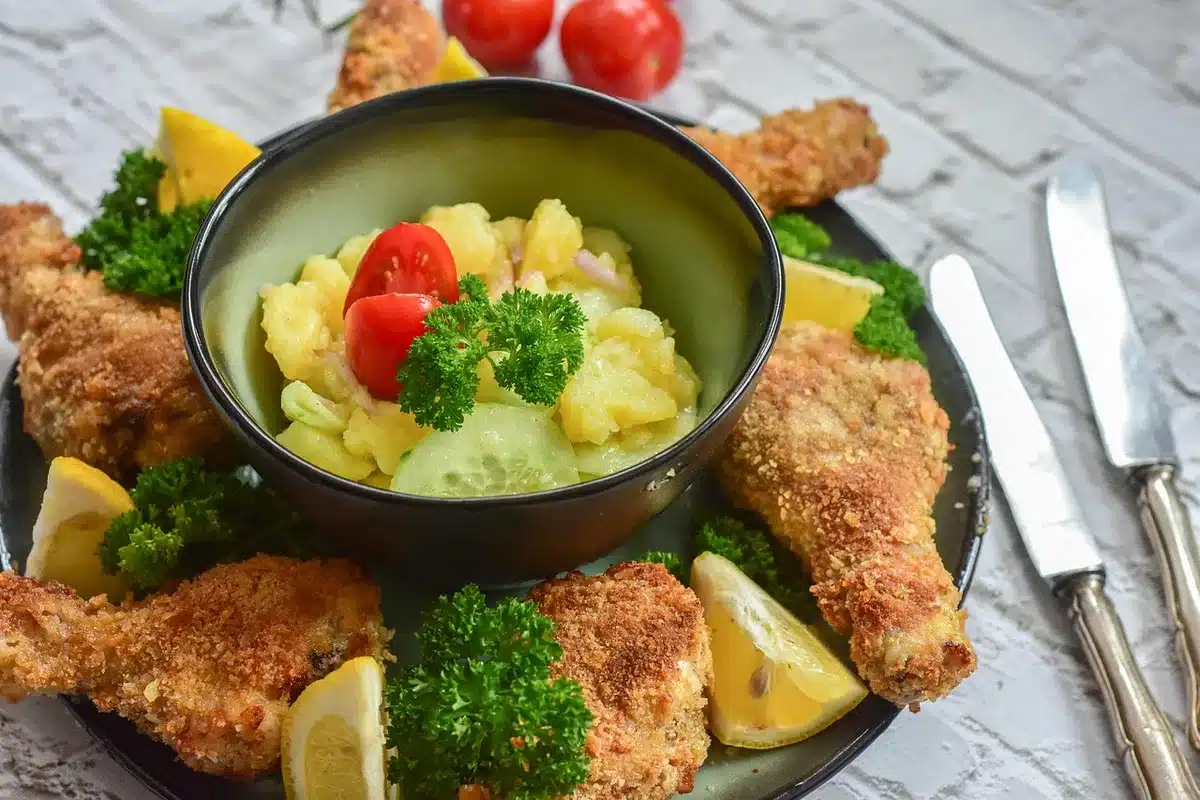
- Korean fried chicken: Usually involves a double-fry for an extra-crisp shell and a thin, crackly crust that resists sogginess under a glaze.
- Yangnyeom (sweet-spicy) chicken: Tossed in a glossy sauce built from gochujang, honey or sugar, soy and garlic for a balance of heat and sweetness.
- Soy-garlic chicken: Savory-forward, with a sticky soy glaze and toasty garlic notes—less fiery but richly umami.
- Dakgangjeong: Deep-fried, then coated in a lacquer-like sauce that’s sweet, tart and often finished with toasted sesame and chiles.
- Kimchi fried chicken or sandwiches: Uses fermented kimchi to add acidity and funk—either folded into a batter, mixed into a slaw, or stirred into a sauce.
How to get the best results at home
Small technique choices yield big differences. Salt the skin early for better seasoning penetration. If you want crispiness without a deep fryer, try a light cornstarch or potato starch dredge and fry at a steady temperature or finish in a hot oven after pan-searing. For sauces, cook down raw sugar or honey briefly to prevent a cloying finish.

Marinating times are forgiving: a quick 30-minute acid-and-salt brine will improve flavor and juiciness, while an overnight soak builds deeper seasoning. If using pre-made pastes like gochujang, taste as you go—store-bought batches vary widely in heat and sweetness.
Quick reference: dishes to try and when to cook them
- Weeknight dinner: Soy-garlic thighs with steamed rice and quick-pickled cucumbers.
- Casual party: Mixed wings platter—half yangnyeom, half plain double-fried—to satisfy different spice preferences.
- Lunch on the go: Kimchi fried chicken sandwich with a creamy slaw for contrast.
- Meal prep: Oven-roasted boneless chicken tossed in a sticky glaze, cooled and portioned over grain bowls.
Pairings matter. Sparkling beverages, light lagers or crisp white wines cut through the sweetness and cleanse the palate. Acidic sides—vinegary slaws, quick pickles or a lemony cucumber salad—help each bite land cleanly.
Ingredient notes and substitutions
If you can’t find Korean staples locally, simple swaps work in a pinch: miso or a mild chili paste can stand in for small amounts of gochujang when combined with a little honey and rice vinegar. For frying, potato starch gives the crispiest results, but cornstarch is an acceptable alternative.
Fermented elements are central to flavor depth, so if you don’t have kimchi, add a dash of rice vinegar plus a small spoon of miso or soy to mimic that savory tang. Fresh garlic, ginger and sesame oil remain easy ways to anchor the flavor profile.
Ultimately, Korean and Korean-inspired chicken recipes offer a straightforward route to vibrant meals—remarkably adaptable, packed with texture, and well-suited to both casual and celebratory cooking. Try one technique, tweak a sauce, and you’ll quickly see why this style has moved from specialty restaurants into everyday kitchens.
Irish whiskey: approachable bottles new drinkers should try today
Fishtown restaurants ranked: must-visit spots locals are raving about