Show summary Hide summary
Leftover beer shows up in dozens of gardening tips online as an inexpensive fix for thirsty plants. But horticultural basics and soil science suggest that pouring beer on your beds is more likely to cause problems than deliver meaningful nutrition.
Why this matters now
With more people growing food at home and scanning social media for low-cost solutions, viral “home remedies” spread quickly—and they can harm plants, attract pests, or disrupt soil life. Understanding the actual effects of beer on soil helps gardeners avoid wasted effort and protect crops during a season when every harvest counts.
Caramel, butterscotch, toffee: how their differences affect your desserts
McDonald’s rebrands Twitter to honor Bubba Wallace after his first NASCAR Cup win
What’s actually in beer — and why it isn’t ideal for plants
Beer contains water, alcohol, simple sugars and yeast, plus traces of minerals from the brewing process. While that sounds useful, two characteristics make it a poor substitute for fertilizer.
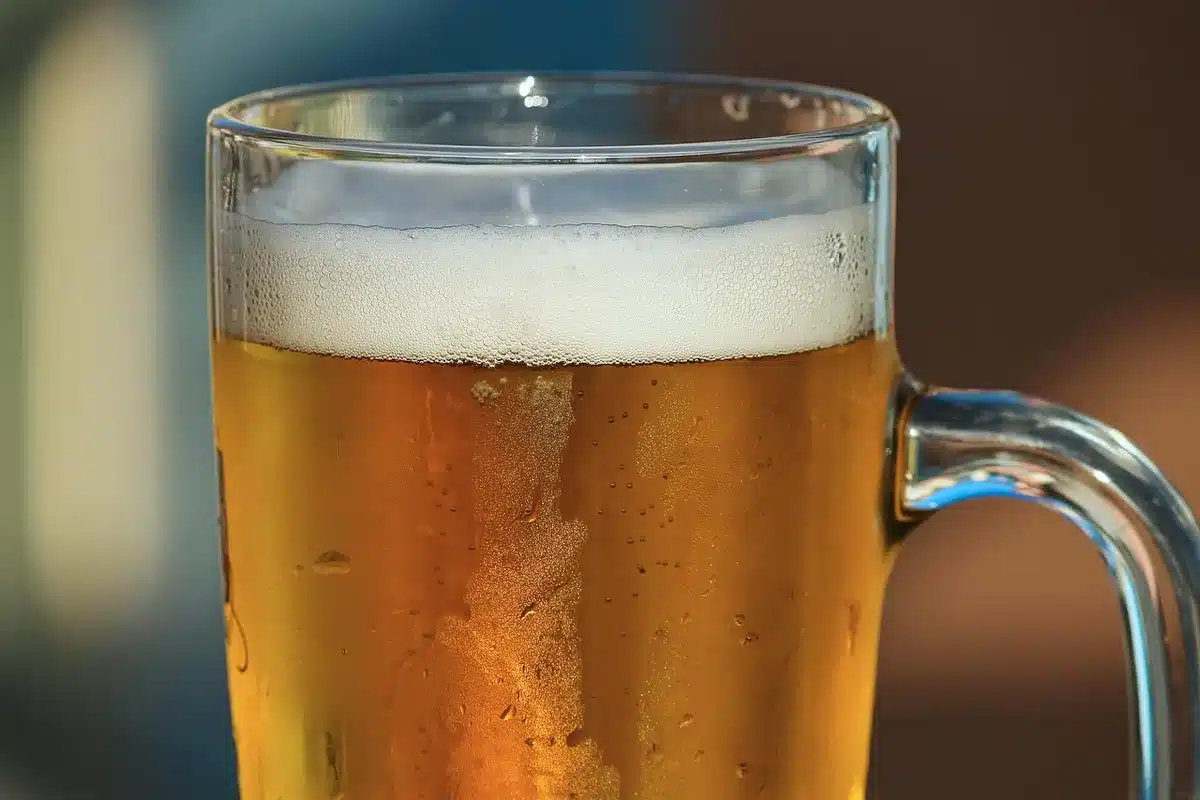
First, the alcohol can stress or damage delicate roots and soil microorganisms that plants rely on. Second, the sugars and live yeast can feed unwanted organisms—slugs, some insects and fast-growing microbes—without supplying a balanced set of nutrients plants need to grow vigorously.
Plants require a measured supply of macronutrients—especially nitrogen, phosphorus and potassium—as well as micronutrients. Beer does not provide these in reliable or sufficient amounts, so it should not be treated as a replacement for a proper fertilizer or tested soil amendments.
Practical consequences for your garden
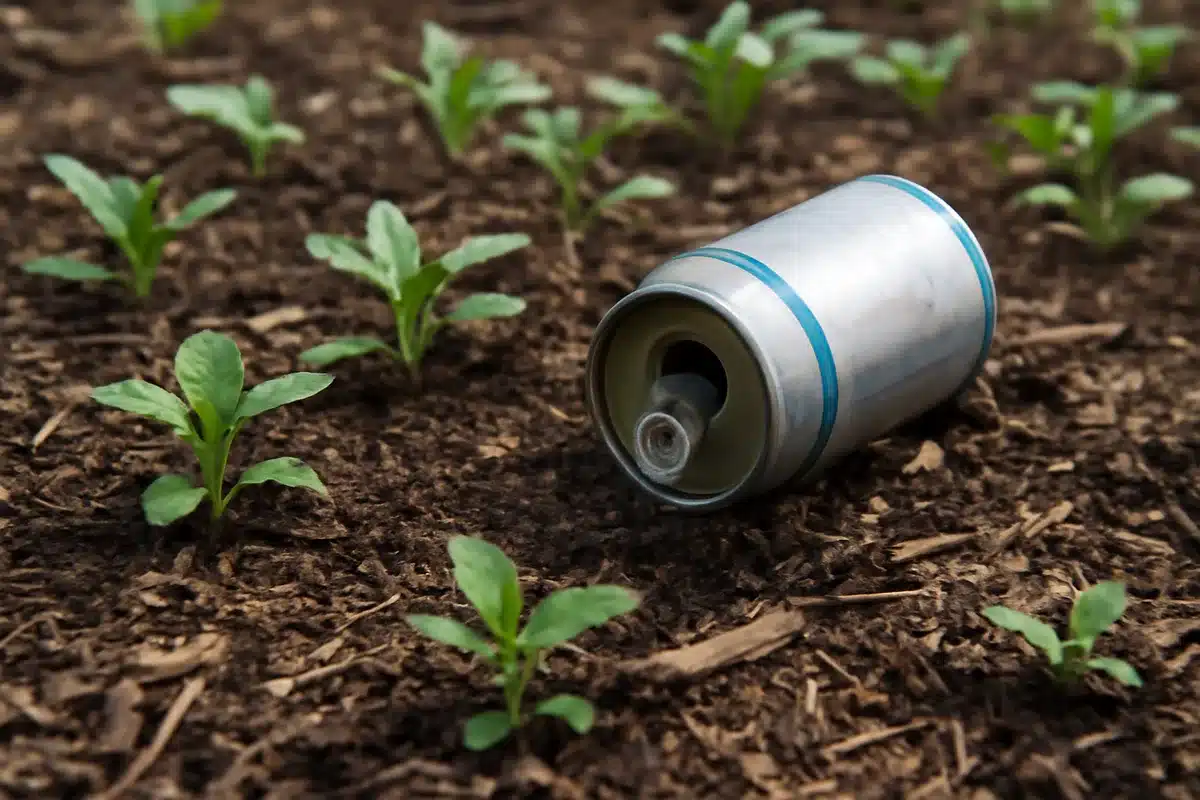
Pouring beer into soil can invite pests, reduce oxygen around roots, and encourage fungal growth—outcomes that can stunt or kill young seedlings and undermine established plants.

That said, not all uses of leftover beer are harmful. Gardeners have long repurposed stale beer for targeted pest control instead of general fertilizing.
- Slug trap: A shallow container half-filled with beer placed near vulnerable plants can attract and trap slugs. Check and replace regularly to avoid creating a source of rot or odors.
- Compost moderation: A small amount of beer added to a balanced compost pile will be broken down along with other kitchen wastes, but it should never be used as a direct soil amendment.
- Avoid pouring: Don’t pour beer directly onto root zones or seed beds—dilution and proper composting are safer if you want to reuse it.
Quick reference: beer versus better options
| Use | Likely effect | Recommended alternative |
|---|---|---|
| Directly poured on soil | Can harm roots, invite pests and unbalance soil microbes | Use a balanced fertilizer or compost; test soil first |
| Slug trap (contained) | Attracts and contains slugs if maintained | Acceptable short-term use; empty and refresh often |
| Added to compost in small amounts | Broken down with other inputs; minimal risk if moderated | Prefer kitchen scraps, coffee grounds, and yard waste |
Simple steps for healthier, low-cost soil
If you’re watching expenses or waste, consider these proven approaches instead of beer:
- Build and maintain a compost pile with vegetable scraps, leaves and grass clippings.
- Use targeted organic amendments—compost tea, well-rotted manure or packaged organic fertilizers—based on a soil test.
- Mulch to retain moisture and suppress pests, and practice crop rotation to reduce disease pressure.
In short: don’t rely on beer as a fertilizer. It’s better saved for the table—or for a controlled slug trap—while soil health is most reliably improved through compost, proper nutrient management, and routine testing.
Irish whiskey: approachable bottles new drinkers should try today
Fishtown restaurants ranked: must-visit spots locals are raving about