Show summary Hide summary
As grocery prices climb and more people look to plant-centered meals, chickpeas have quietly become one of the most valuable items in a well-stocked kitchen. This versatile legume delivers consistent nutrition, long shelf life and a range of quick preparations—from creamy spreads to hearty stews—that make it an immediate solution for weeknight cooking.
Why chickpeas matter now
Chickpeas are economical and shelf-stable, which matters when households are trimming food budgets or planning ahead. They provide a meaningful source of plant-based **protein** and **fiber**, helping meals feel satisfying without relying on meat.
Caramel, butterscotch, toffee: how their differences affect your desserts
McDonald’s rebrands Twitter to honor Bubba Wallace after his first NASCAR Cup win
Beyond cost and nutrition, chickpeas are flexible: canned, dried, or pureed, they adapt to many cuisines and cooking methods. That adaptability makes them a practical ingredient for both weeknight dinners and low-effort meal prep.
Everyday uses that stretch a pantry
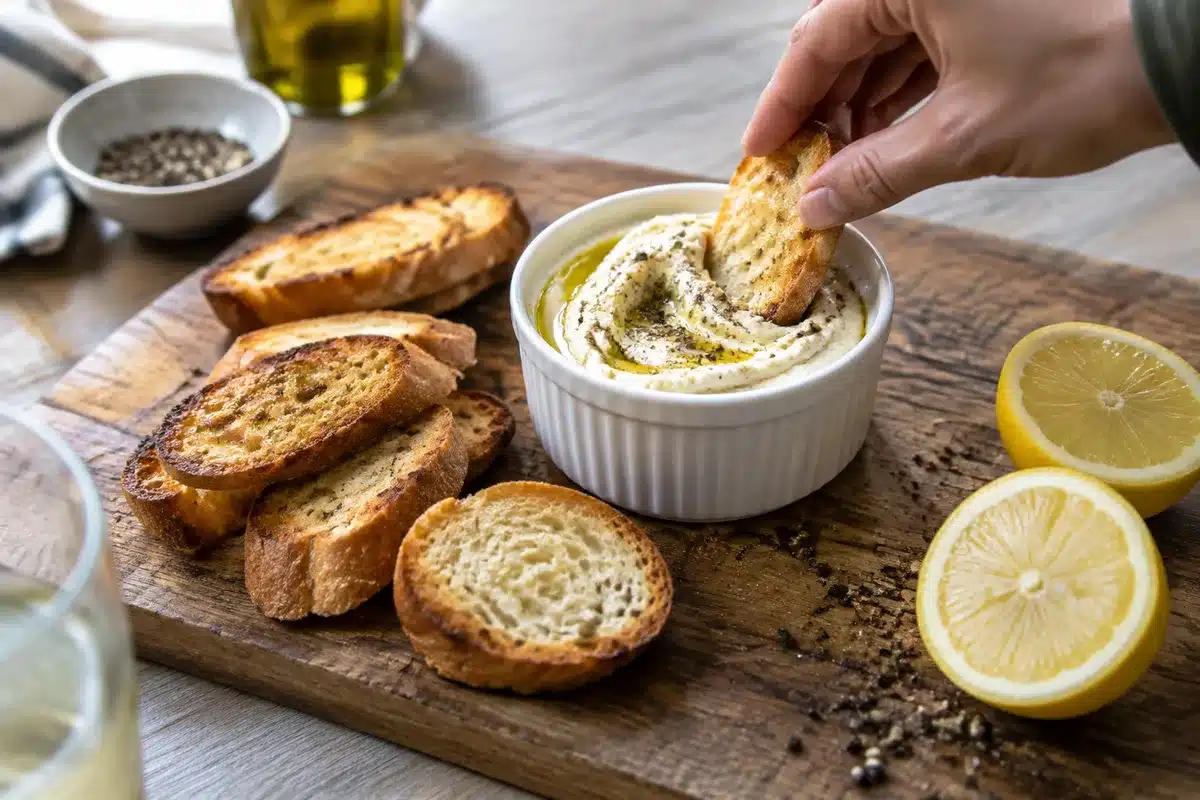
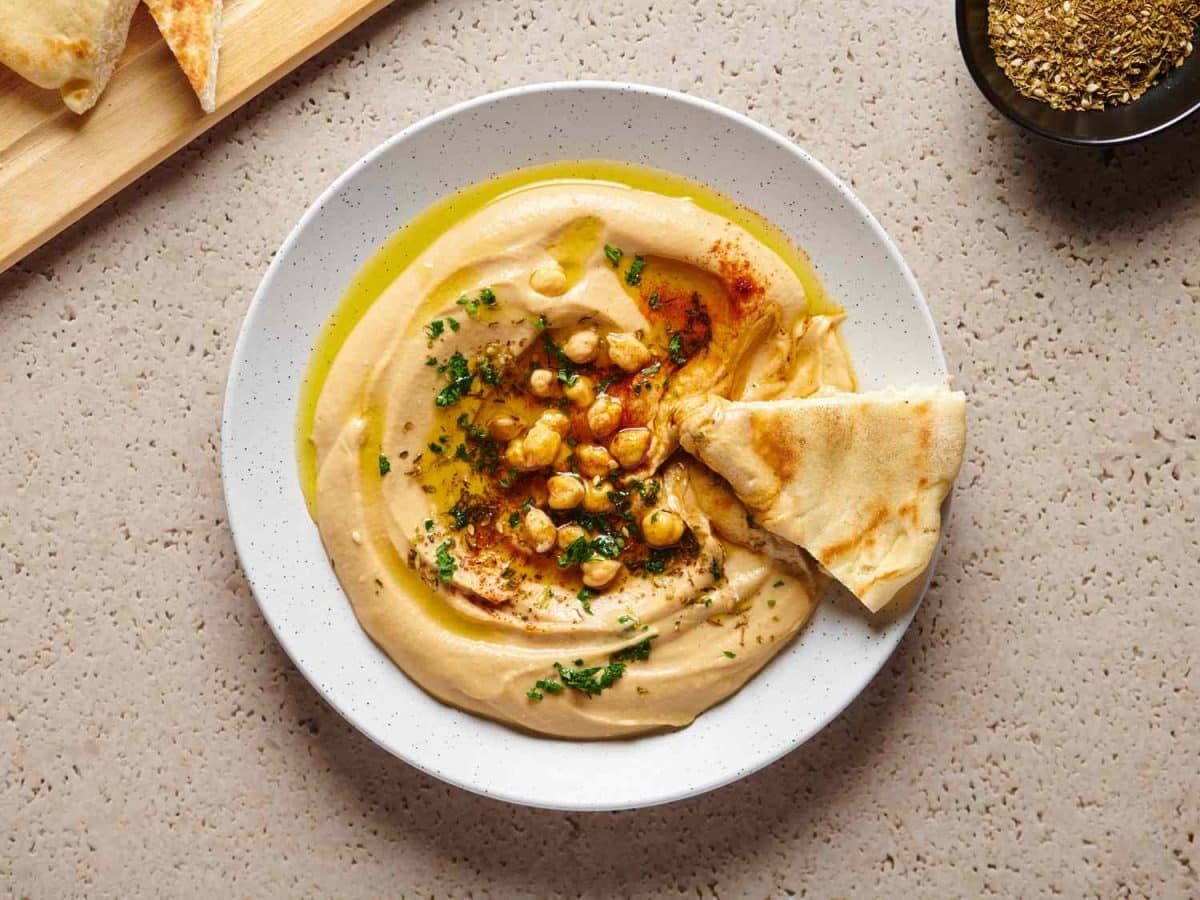
- Hummus — a quick spread or dip made by blending chickpeas with tahini, lemon, garlic and olive oil.
- Roasted chickpeas — tossed with spices and baked for a crunchy snack or salad topper.
- One-pot soups and stews — add to tomato- or coconut-based broths for bulk and texture.
- Salads and grain bowls — use whole or lightly smashed chickpeas to boost protein and satiety.
- Falafel and patties — mashed chickpeas form the base for vegetarian fritters and burgers.
Fast hummus: proportions and practical tips
For a reliable hummus in minutes, use canned chickpeas or reserve some of the canning liquid—known as aquafaba—to smooth the texture. Here’s a minimal approach to a creamy result that works whether you’re cooking from scratch or using pantry staples.
- Ingredients (approximate for two servings): 1 can chickpeas (drained), 2 tablespoons tahini, 2 tablespoons lemon juice, 1 small garlic clove, 2–3 tablespoons olive oil (or aquafaba), and salt to taste.
- Method: Pulse garlic and lemon, add tahini and a bit of water or aquafaba, then blend chickpeas until smooth. Add oil and thin with cold water for a lighter, whipped texture.
- Pro tip: For ultra-silky hummus, peel a few chickpeas or use a high-speed blender and add ice-cold water a tablespoon at a time while blending.
Cooking and storage basics
Fresh-cooking dried chickpeas requires planning—soaking overnight and simmering 60–90 minutes until tender—but it’s cheaper and lets you control texture. Add a pinch of baking soda while boiling to speed softening.
Canned chickpeas are convenient and perfectly fine for most uses; strain and rinse to reduce sodium. Store homemade hummus in the refrigerator for up to four days, or freeze portions for up to three months. Roasted chickpeas keep well in an airtight container for several days if fully cooled before storing.
What to buy and keep on hand
- One or two cans of chickpeas for quick meals
- A bag of dried chickpeas for budget cooking and bulk meals
- Tahini, lemons, garlic, olive oil and a jar of smoked paprika or cumin
Whether you want to stretch a grocery budget, add more plant-based meals, or simply keep a reliable ingredient on hand, chickpeas deliver practical benefits and culinary flexibility. Small pantry choices—like keeping a can or a cup of dried chickpeas—can change how quickly and affordably you put a satisfying meal on the table.
Irish whiskey: approachable bottles new drinkers should try today
Fishtown restaurants ranked: must-visit spots locals are raving about