
Show summary Hide summary
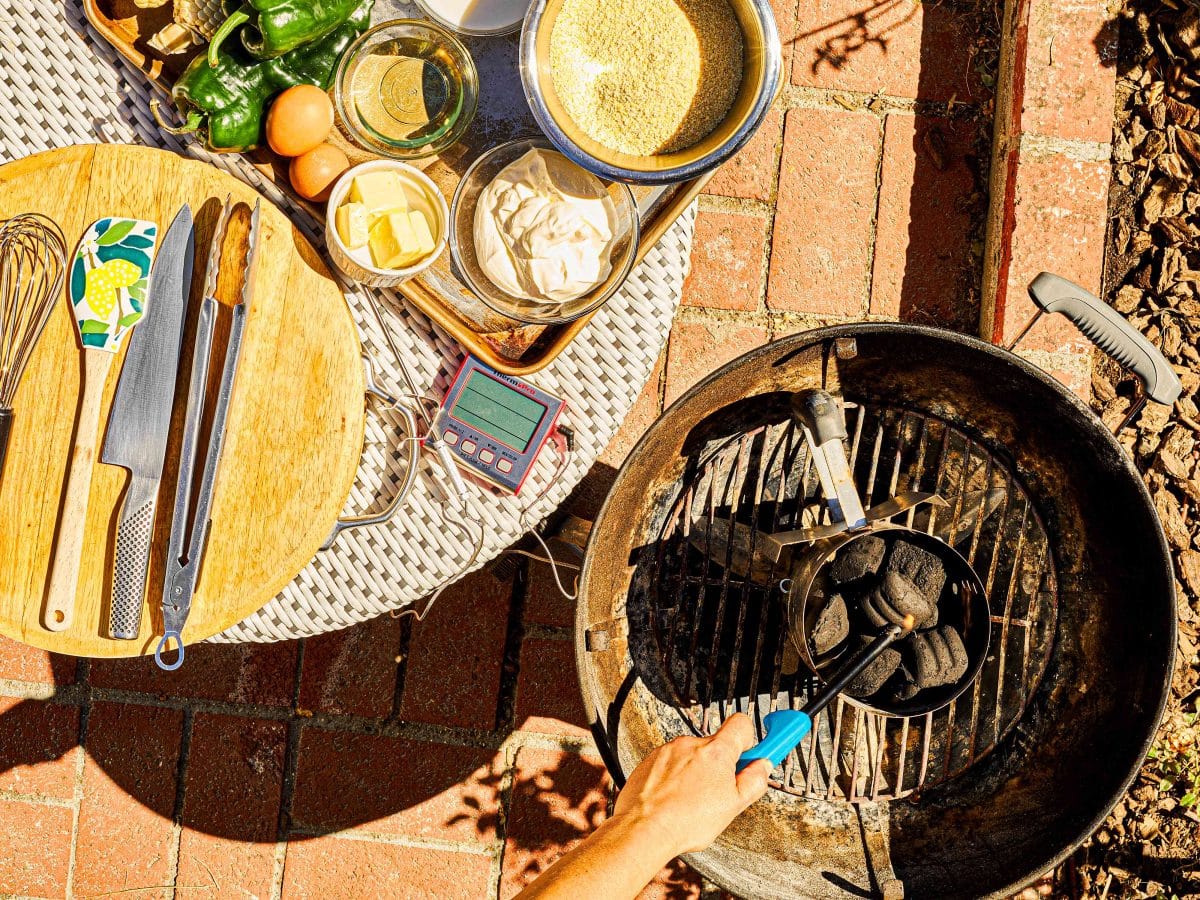
Baking on a backyard grill can transform ordinary breads, pizzas and desserts with subtle smoke and a charred edge that home ovens rarely produce. With basic gear and attention to temperature control, grills become a reliable, flavorful alternative to indoor baking—particularly when you want to keep heat out of the kitchen or chase a seasonal twist on familiar recipes.
Why it matters now
As warmer months arrive and outdoor cooking stays top of mind, more home cooks are moving baking outdoors to avoid overheating their homes. Beyond comfort, grilling changes the flavor profile: controlled smoke and radiant heat produce a distinct crust and depth that matter if you bake regularly or sell baked goods at pop-ups and markets.
Caramel, butterscotch, toffee: how their differences affect your desserts
McDonald’s rebrands Twitter to honor Bubba Wallace after his first NASCAR Cup win
Core principles
Baking on a grill depends on three things: stable temperature, even heat distribution, and moisture control. Master those and you can reliably produce bread, pizza, fruit crisps and even custards with consistent results.
Start by thinking in terms of indirect heat—the food should not sit directly over flames unless you want a blistered crust. Use a thermometer to track ambient grill temperature rather than relying on grill dial settings alone.
Simple setup
Many successful grill-baking setups use everyday kitchen items rather than specialty gear. A pizza stone or heavy baking steel helps even out heat; a cast-iron pan or Dutch oven will keep loaves moist and support a good rise. For gas grills, turn one burner on and place the food on the unlit side; for charcoal, bank coals to one side and place the food on the opposite side.
- Thermometer: An accurate probe or instant-read will save you from guessing. Aim for steady temperatures rather than frequent adjustments.
- Heat buffer: Pizza stones, baking steels, or a layer of unglazed tiles reduce hotspots and stabilize baking temps.
- Moisture control: For crusty breads, preheat a Dutch oven; for softer tops, keep a shallow pan of water in the grill to add humidity.
- Wind and weather: Outdoors, ambient conditions affect bake times—reduce or extend times as needed and check early.
What to bake—and how
Not everything that works in an oven translates directly to a grill. Foods that benefit most are those that like high radiant heat, quick sears, or a hint of smoke.
| Item | Method | Typical temp range | Notes |
|---|---|---|---|
| Neapolitan-style pizza | High heat on a stone | 450–600°C (850–1100°F) — aim for hottest achievable |
Short bake (1–3 minutes) with direct and radiant heat; rotate often |
| Artisan loaf (Dutch oven) | Indirect heat in covered pot | 230–260°C (450–500°F) | Trap steam to form crust; reduce temp slightly after initial crust forms |
| Fruit cobblers & crumbles | Stone or pan, indirect heat | 175–200°C (350–400°F) | Shield fruit from direct flame; cover loosely if topping browns too fast |
| Cookies & bars | Baking sheet on stone, indirect | 160–180°C (325–350°F) | Use a lighter temp and longer time than oven recipes sometimes require |
| Flatbreads & focaccia | Direct then indirect, or stone | 220–260°C (425–500°F) | High initial heat for oven spring; finish off away from flame |
Common mistakes to avoid
Even experienced grillers misjudge bake times and heat patterns. The most frequent errors are insufficient preheating, ignoring cold spots, and failing to monitor internal temperatures. A dough that appears done on the outside can be underbaked inside if heat is uneven.
Safety is also non-negotiable: keep flammable materials away from the grill, never leave it unattended, and use potholders or gloves when moving hot pans. Grease flare-ups can scorch crusts and create inconsistent results.
Quick checklist before each bake
- Preheat the grill and any stones or pans for 20–30 minutes.
- Set up for indirect heat and confirm steady temperature with a thermometer.
- Choose equipment that buffers heat: stone, steel, cast iron, or a Dutch oven.
- Plan for rotation and position changes to avoid hotspots.
- Monitor early and reduce or increase time based on crust color and internal temp.
Final perspective
Grill baking rewards patience and small adjustments more than flashy equipment. For home bakers, it opens new flavor possibilities and practical advantages—less indoor heat during summer, smoky notes that pair well with savory bakes, and a portable solution if your oven is out of service.
Start with forgiving recipes—focaccia, skillet cornbread or a fruit crisp—and iterate. As you learn your grill’s quirks, you’ll find the balance between smoke, crust and crumb that makes outdoor baking worth the effort.
Irish whiskey: approachable bottles new drinkers should try today
Fishtown restaurants ranked: must-visit spots locals are raving about










