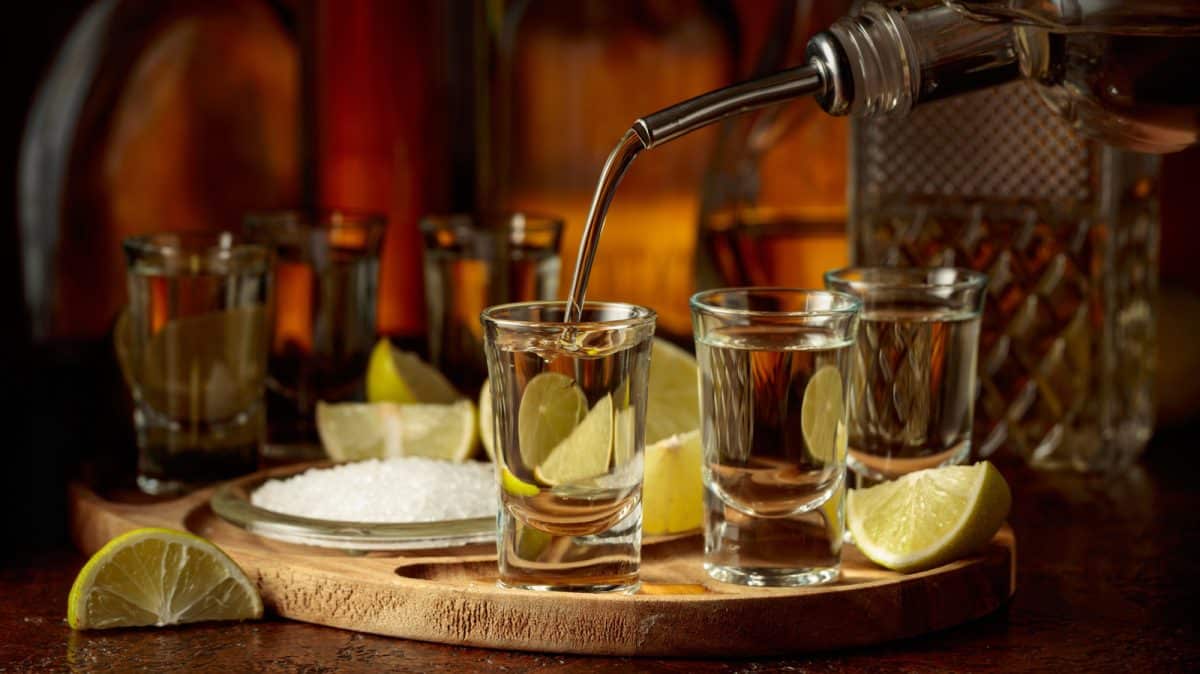
As tequila continues to move beyond the margarita glass and into premium-cocktail lists, one label type is quietly filling the role that blended Scotch has long held: versatile, approachable and mix-friendly. Known as joven, these blends pair youthful agave bite with barrel-aged warmth—making them useful for casual cocktails and, in some cases, for sipping neat.
At its simplest, joven (Spanish for “young”) refers to spirits that combine unaged and aged tequila. The young component—commonly labeled blanco—shows raw agave notes: citrus, pepper and green vegetal tones. Barrel-rested expressions such as reposado and añejo contribute softer textures and flavors often associated with oak, like vanilla, caramel and baking spices. When blended thoughtfully, those elements deliver a middle ground: smoother than a straight blanco, but still lively enough for bright cocktails.
Not all joven tequilas are created equal
There’s a wide quality range within the category. Some producers craft true blends of blancos with reposados or añejos to achieve balance and consistency. Others simply tint a blanco or bottle a mixto (a spirit made with less agave) and market it as “gold” or “joven.” For shoppers trying to separate craft-minded releases from label-driven shortcuts, reading the bottle matters.
Caramel, butterscotch, toffee: how their differences affect your desserts
McDonald’s rebrands Twitter to honor Bubba Wallace after his first NASCAR Cup win
- Look for 100% Blue Weber agave on the label — that’s the clearest sign the spirit is wholly agave-based.
- Beware of listed additives such as caramel coloring or other flavorings; legitimate blends will not rely on these to simulate barrel influence.
- If the producer notes added reposado or añejo in the blend, you can be more confident you’re getting a true joven rather than a colored blanco.
- “Mixto” indicates at least 51% agave; those bottles often aim for lower price points and a different flavor profile.
- Price and producer reputation can help: some joven bottlings are positioned as premium sipping tequilas, while others are made for mixing and value.
For bartenders and home mixologists, the appeal is practical. A well-made joven can bring body and a hint of oak to a margarita without overwhelming the cocktail, while remaining affordable enough for high-volume service. Conversely, small-batch joven expressions can be elegant enough to enjoy on the rocks.
Practical tips before you buy: study the label, ask at the bar or store about the blend components, and when possible, taste a sample. Even within a single category, joven tequilas range from bright and peppery to rounded and subtly sweet—so matching the bottle to your intended use will improve results.
In short, joven is the go-to option when you want the flexibility of a spirit that can do double duty: mix well in cocktails and, depending on provenance, stand on its own. As consumers demand more transparency and flavor variety, understanding what goes into a joven bottle matters more than ever.
Irish whiskey: approachable bottles new drinkers should try today
Fishtown restaurants ranked: must-visit spots locals are raving about