
Show summary Hide summary
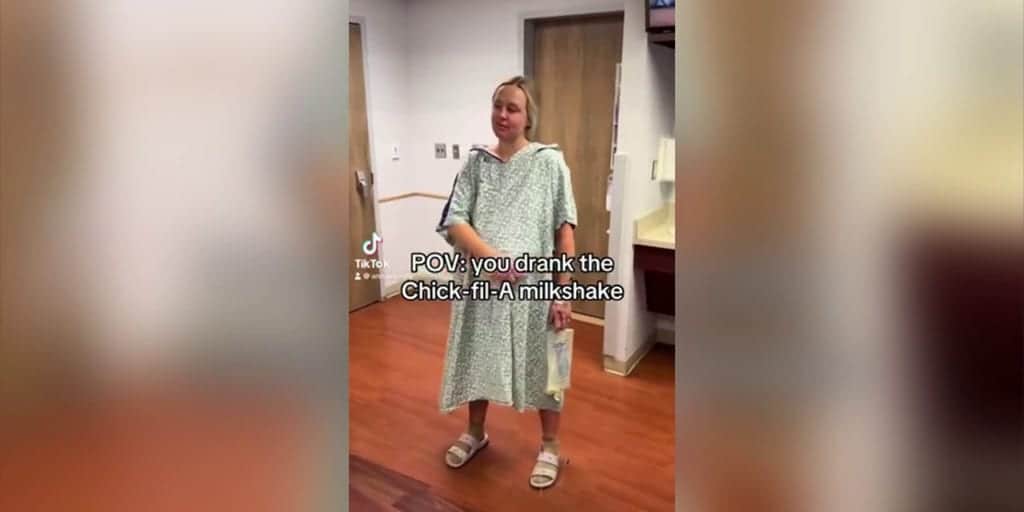
A short social media post from a Florida woman claiming that a Chick-fil-A drink triggered her contractions has drawn wide attention and reopened a familiar online debate: can a particular food or beverage actually start labor? The clip’s reach matters because it highlights how personal anecdotes can shape expectations for expectant parents and sometimes steer them away from medical guidance.
The video — shared widely across platforms this week — shows the woman celebrating that labor began hours after she consumed the fast-food chain’s beverage. Viewers quickly split between amused curiosity and skepticism, while the post racked up thousands of shares and comments from people swapping their own “what worked for me” stories.
What clinicians say
Health professionals caution against treating such accounts as proof. There is no scientifically validated connection between any specific fast-food drink and the spontaneous onset of labor. Instead, labor usually begins because of a complex interplay of hormones, the fetus’s readiness, and changes in the cervix — processes that are not reliably triggered by individual foods or drinks.
Caramel, butterscotch, toffee: how their differences affect your desserts
McDonald’s rebrands Twitter to honor Bubba Wallace after his first NASCAR Cup win
Obstetricians and midwives stress that correlation is not causation: a woman may consume something and then go into labor shortly afterward, but the timing can be coincidental. Medical interventions designed to induce labor — like cervical ripening agents or oxytocin under clinical supervision — are controlled and evidence-based; home remedies are not.
Why this matters now
Stories like this circulate quickly and influence decisions at a vulnerable moment. For people near or past their due date, seeing a viral claim can prompt risky attempts to force labor or create unrealistic expectations about what will work.
Pregnant people and their partners should prioritize safety and professional advice over viral tips. If labor is overdue or there are medical concerns, a healthcare provider can explain safe, proven options and when an induction is medically appropriate.
Quick takeaways
- Viral claim: Woman credits a Chick-fil-A drink with starting contractions.
- Medical consensus: No reliable evidence that specific foods or fast-food beverages induce labor.
- Practical advice: Consult your clinician before trying any method to start labor.
How to assess such claims
| Claim | Evidence / Medical perspective |
|---|---|
| Fast-food drink triggers labor (anecdote) | Coincidental timing is likely; no controlled studies support this. |
| Spicy food or exercise induces labor | Limited or mixed evidence; may help with cervical readiness for some but not proven to start labor reliably. |
| Medical induction (membrane sweep, oxytocin) | Proven techniques performed under clinical supervision with known risks and benefits. |
For expectant parents wondering what to do in the face of viral stories: keep basic precautions in mind. Recognize early labor signs (regular contractions, water breaking, bleeding), call your care team with concerns, and avoid home methods that could cause harm. When in doubt, trust professionals who can weigh maternal and fetal health needs and recommend evidence-based steps.
Personal narratives make for compelling content and can be entertaining, but they are not a substitute for medical advice. If you are near your due date and considering ways to prompt labor, speak with your provider about safe options tailored to your situation.
Irish whiskey: approachable bottles new drinkers should try today
Fishtown restaurants ranked: must-visit spots locals are raving about










