
Show summary Hide summary
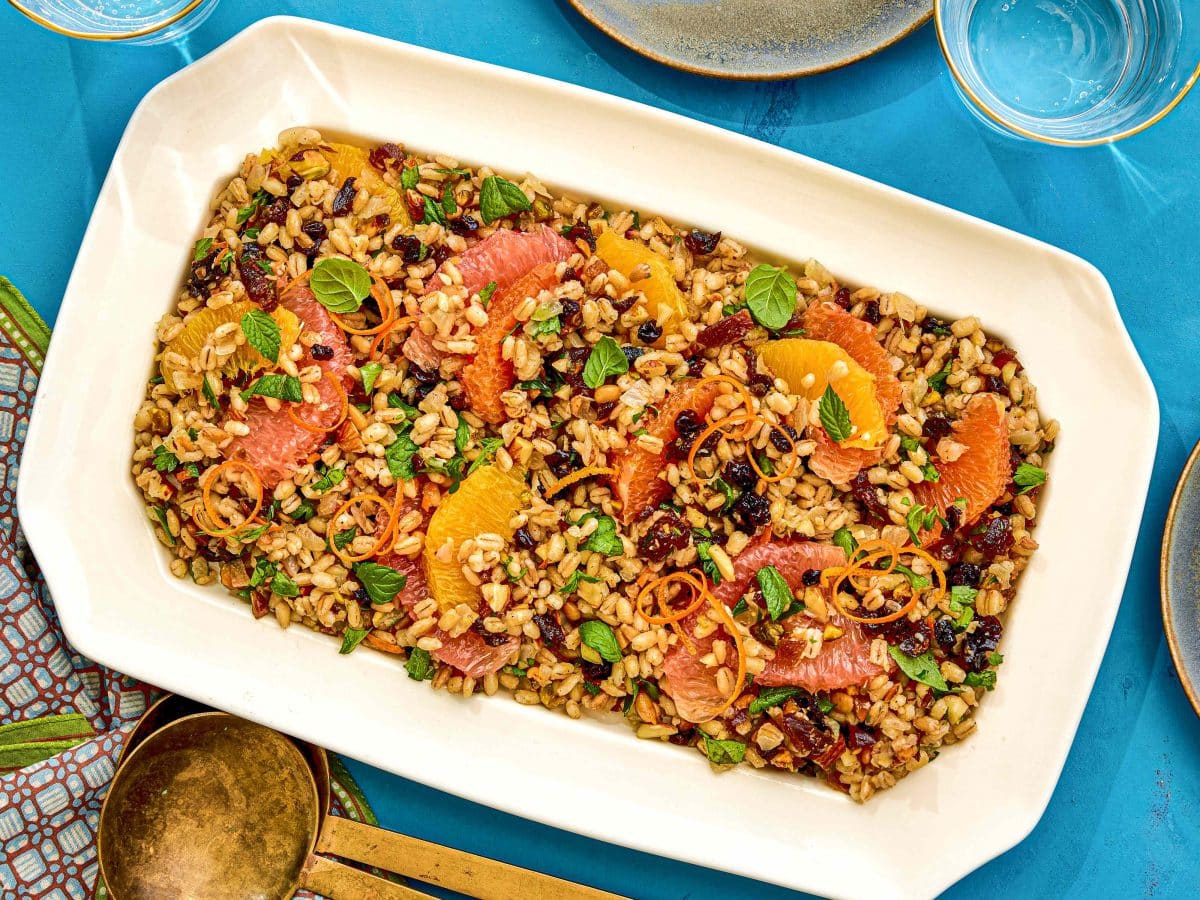
Bright citrus, chewy grains and a scatter of crunchy nuts—this pearled-barley pilaf turns pantry staples into a lively spring-ready side or light main. With simple steps and ingredients you likely already have on hand, it’s a reliable dish for weeknight dinners, potlucks, or a make-ahead lunch that stays interesting for days.
The recipe balances texture and flavor: pearled barley provides a chewy, satisfying base while segments of citrus and a handful of dried fruit add sweetness and brightness. A final sprinkle of toasted nuts gives crunch and a savory counterpoint, making the pilaf more than the sum of its parts.
Why this matters now
Caramel, butterscotch, toffee: how their differences affect your desserts
McDonald’s rebrands Twitter to honor Bubba Wallace after his first NASCAR Cup win
Whole grains are enjoying renewed attention from cooks and nutritionists, and citrus is arriving at peak season in many markets. That combination matches current household needs: meals that are nourishing, flexible, and frugal without feeling dull. For readers planning spring menus or looking for portable, make-ahead dishes, this is immediately useful.
Cooking barley is forgiving: it holds up to dressings and mix-ins better than fragile grains, so the pilaf can be assembled in advance and still look appealing. It’s a good candidate for vegetarian meals, and it scales easily for guests.
What to expect on the plate
Look for a glossy pile of warm grains studded with citrus segments, raisins or chopped apricots, and herbs. The dressing is typically a light vinaigrette—olive oil, lemon or orange juice, and a pinch of salt—designed to coat rather than drown the barley. Herbs like parsley or mint lift the flavors without competing with the fruit and nuts.
- Base: Pearled barley—chewy and toothsome, cooks faster than hulled barley.
- Bright notes: Citrus segments (orange or grapefruit) and a splash of juice for acidity.
- Sweet contrast: Dried fruit such as apricots, dates, or golden raisins.
- Crunch: Toasted almonds, pistachios, or walnuts for texture and richness.
- Dressing: Olive oil, citrus juice, a touch of honey or mustard, and salt.
Small adjustments yield big differences. Swap citrus varieties to change the aroma; use toasted seeds instead of nuts to keep the dish nut-free. For more body, fold in a can of chickpeas or a handful of chopped roasted vegetables.
Practical tips for home cooks
Don’t overcook the barley—aim for tender but still slightly firm to the bite. Toasting the dried fruit briefly in a warm pan before folding it in will deepen its flavor. If you plan to pack the pilaf for lunch, keep the dressing on the side and add just before serving to preserve texture.
- Make-ahead: Refrigerates well for 3–4 days; add herbs fresh when serving.
- Freezer note: Barley textures change after freezing; not recommended for long-term freeze storage.
- Time saver: Cook extra barley and use it throughout the week in salads, soups, or breakfasts.
Beyond the plate, this dish fits broader food trends—sustainable, plant-forward eating that values whole grains and minimal food waste. It’s an accessible way to bring seasonal citrus into everyday meals while offering enough variety to feel celebratory.
Whether you’re feeding a crowd or packing a weekday lunch, this citrus-and-barley pilaf is a versatile, resilient recipe that rewards small investments of time with bright, layered flavors.
Irish whiskey: approachable bottles new drinkers should try today
Fishtown restaurants ranked: must-visit spots locals are raving about










