
Show summary Hide summary
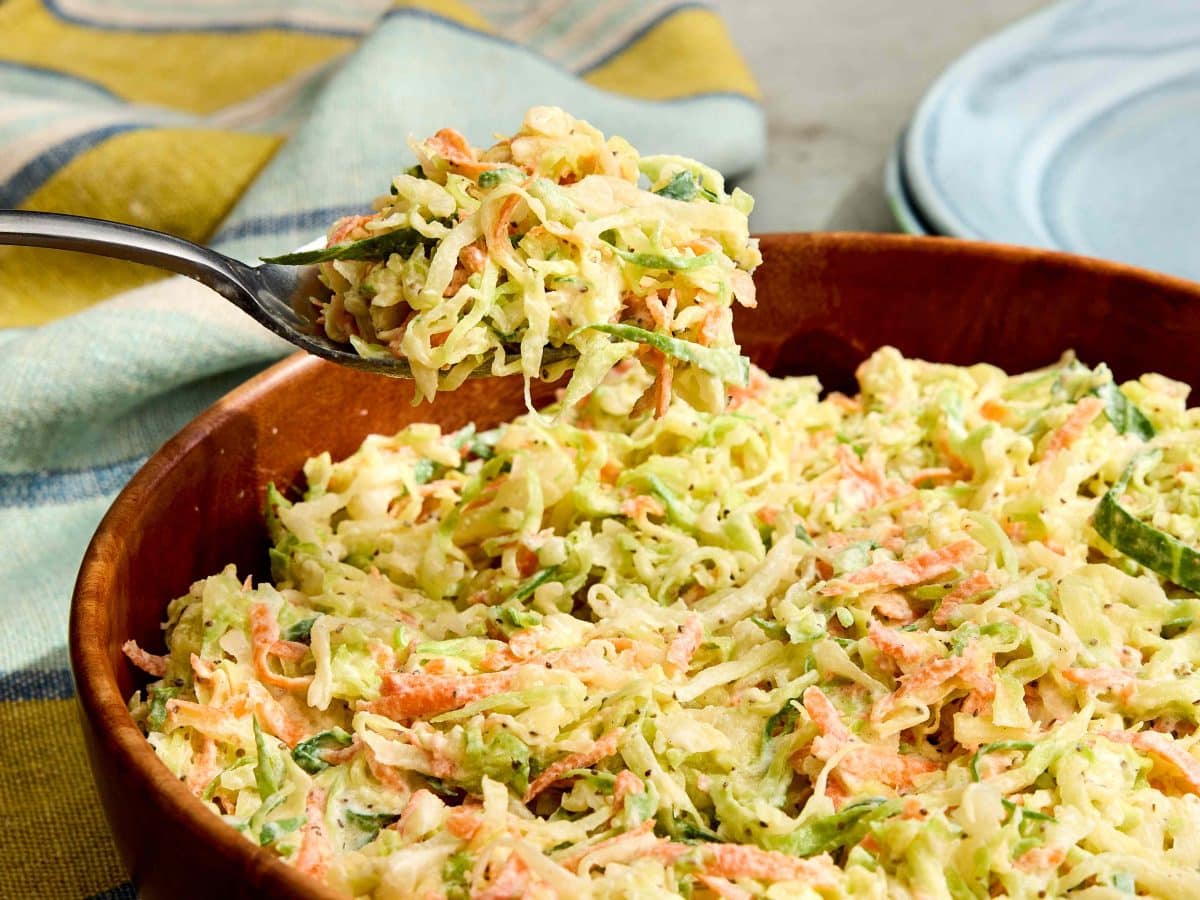
As backyard grills heat up, a simple cabbage slaw can be the reason a meal feels finished rather than heavy. Bright, crunchy, and quick to assemble, a well-balanced slaw cuts through smoky, fatty dishes and is one of the easiest make-ahead sides to put on a summer spread.
Beyond texture and tang, slaws are practical: they travel well, suit a range of diets and can be adapted to what’s in season. For hosts planning multiple gatherings this year, an adaptable slaw recipe is one of the highest-leverage items to add to the menu.
Why slaw matters this season
Grilled meats and rich sauces dominate summer tables, which is why the right side matters more than ever. A crisp slaw adds acidity that refreshes the palate, a crunchy counterpoint that balances soft fillings, and visual contrast to a plate of browns and greens.
Caramel, butterscotch, toffee: how their differences affect your desserts
McDonald’s rebrands Twitter to honor Bubba Wallace after his first NASCAR Cup win
It’s also an easy way to stretch ingredients: a head of cabbage is inexpensive, lasts in the fridge, and serves a crowd without fuss. For people watching calories or prioritizing fresh vegetables, slaw is both accessible and satisfying.
Key elements of a dependable slaw
Successful slaws rely on three simple components: texture, acid, and seasoning. Aim for a mix of finely and coarsely sliced vegetables so every bite has crunch. Use an acid—vinegar, citrus, or a blend—to brighten the dressing, then finish with salt and a touch of fat to carry flavor.
- Texture: Combine shredded cabbage with coarsely sliced carrots or apples for interest.
- Acidity: Rice vinegar or lemon juice keeps the slaw lively without overwhelming.
- Fat: A spoonful of mayonnaise, yogurt, or olive oil smooths the bite and helps seasoning cling.
- Freshness: Herbs and thinly sliced scallions add aromatic lift right before serving.
Quick recipe blueprint
| Ingredient | Role / Substitution |
|---|---|
| 1 small head cabbage (green or purple), shredded | Base vegetable; napa or savoy work for a softer bite |
| 1–2 carrots, julienned | Color and crunch; swap with fennel or jicama |
| 2–3 tbsp vinegar (rice, apple cider, white) | Acidity; use lemon juice for a citrus note |
| 2 tbsp mayonnaise or plain yogurt | Creates a creamy coating; olive oil for lighter vinaigrette |
| Salt, pepper, pinch of sugar | Season and balance acidity |
| Fresh herbs or sliced scallion | Last-minute brightness |
Serving, storage and pairings
Slaw can be prepared a few hours ahead; dress it lightly if you plan to hold it for more than a day to avoid sogginess. If you must make it far in advance, keep dressing separate and toss before serving.
- Pairs well with pulled pork, grilled fish, chicken skewers and burgers.
- Works as a topping for tacos and sandwiches or as a crunchy side for picnics.
- For a lighter option, replace mayonnaise with yogurt or an oil-and-vinegar dressing.
As summer gatherings return, a dependable slaw does more than fill a plate: it sharpens flavors, stretches budgets, and simplifies hosting. Keep the formula simple—think crisp cabbage, a bright acid, and the right fat—and you’ll have a versatile side that elevates nearly any barbecue.
Irish whiskey: approachable bottles new drinkers should try today
Fishtown restaurants ranked: must-visit spots locals are raving about










