Show summary Hide summary
Small adjustments can lift a cheese plate from pleasant to memorable — and you don’t need rare ingredients or complicated techniques. With a few deliberate choices about **texture**, **temperature**, and pairing, a simple spread becomes a centerpiece for conversation and comfort, especially as more people resume in-person gatherings this season.
Think contrast first
Outstanding cheese boards are built around differences: creamy vs. crumbly, mild vs. funky, soft fruit vs. crunchy nuts. Contrast keeps each bite interesting and helps guests discover combinations they enjoy.
Restaurant cheese boards: chef tricks to make your home platter taste like dining out
McDonald’s employee wounded while intervening in altercation: alleged shooter fled
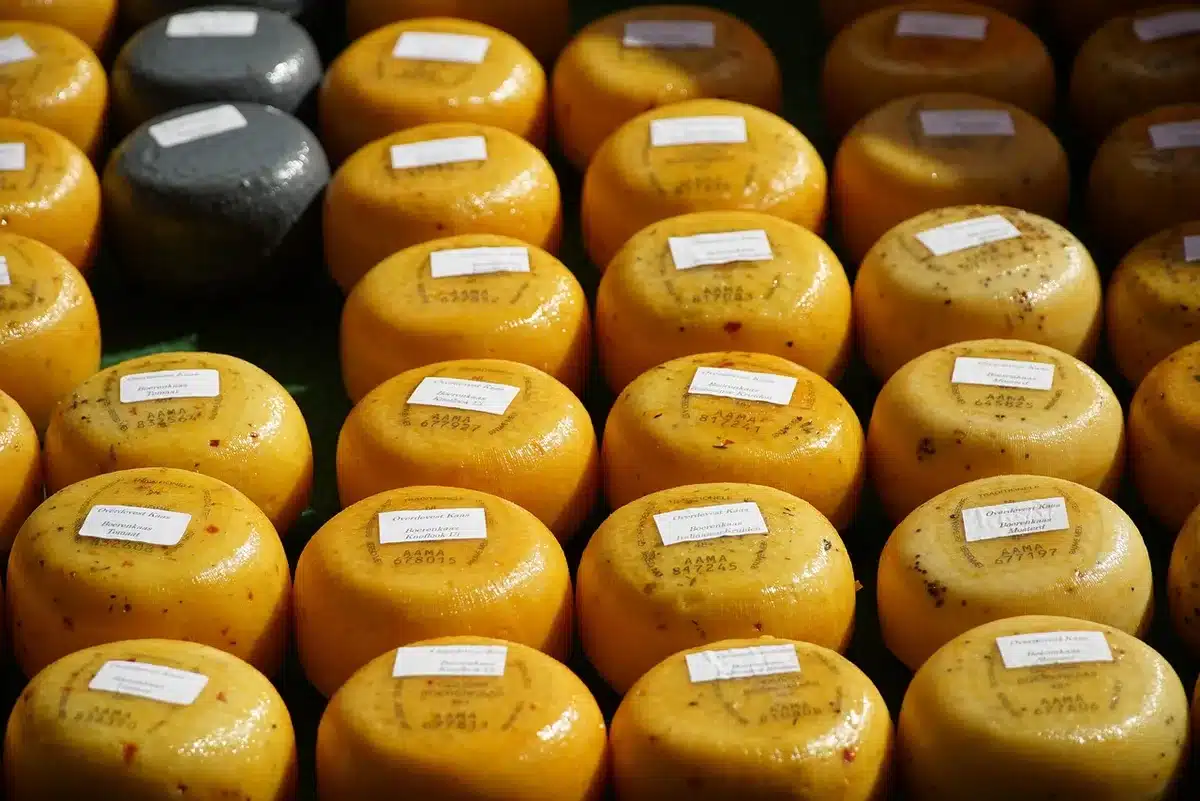
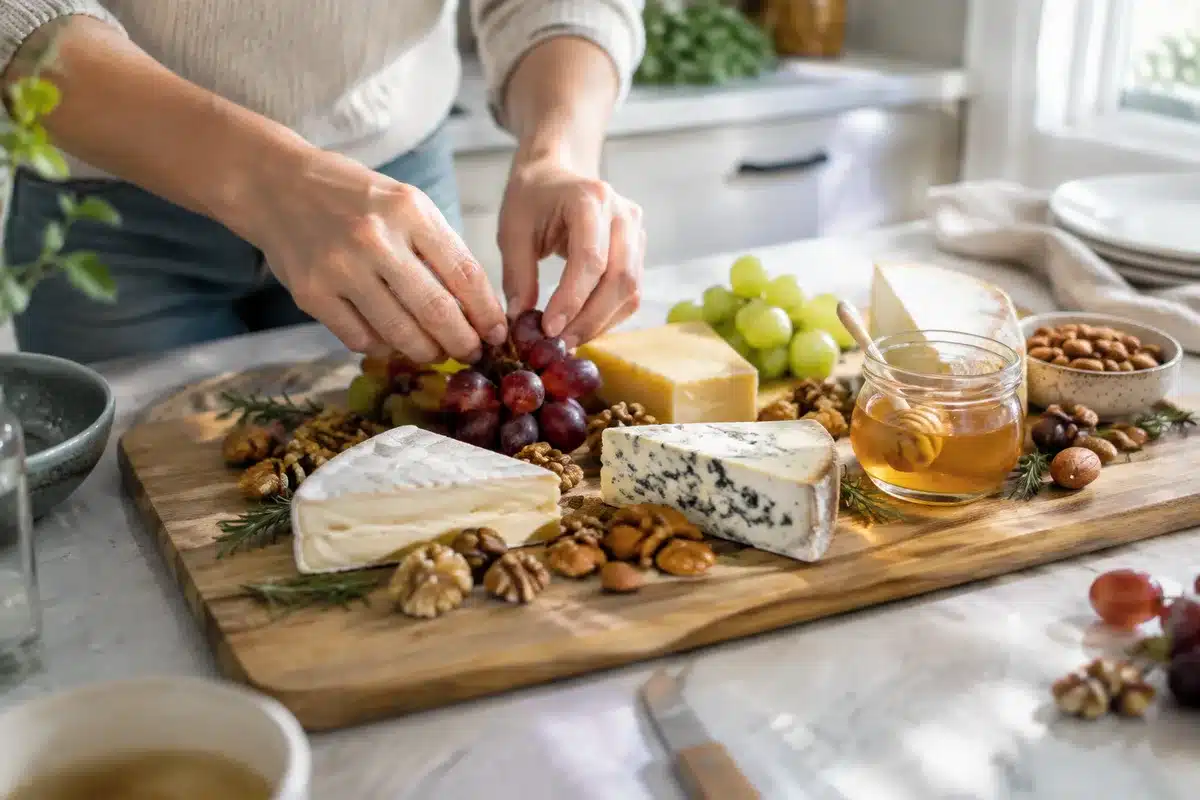
Start by selecting three to five cheeses with clear differences in mouthfeel and strength. A common, approachable mix looks like this:
- Softer cheese — chèvre, burrata, or a young camembert for spreadability
- Firm cheese — aged cheddar, manchego, or comté for chew and nuttiness
- Blue or washed-rind — gorgonzola, Roquefort, or taleggio for pungency
- One wildcard — a fresh curd, a smoked cheese, or a local farmhouse option
Practical serving rules that change everything
Temperature matters. Let cheeses sit at room temperature for 20–40 minutes before serving so flavors open and textures soften; cold cheese tastes muted. Labeling each cheese — even simply with a sticky note — helps your guests make choices without interrupting the flow of conversation.
Tools are small investments that show. A soft cheese needs a spreading knife, a firm cheese a fork or wire, and a crumbly blue benefits from a cheese plane or small knife. Place utensils next to their cheeses to prevent flavor mixing.
Accoutrements: more than decoration
Accompaniments do heavy lifting. Think of them as palate partners, not garnish. Offer elements that introduce salt, acid, crunch, and sweetness so guests can build balanced bites.
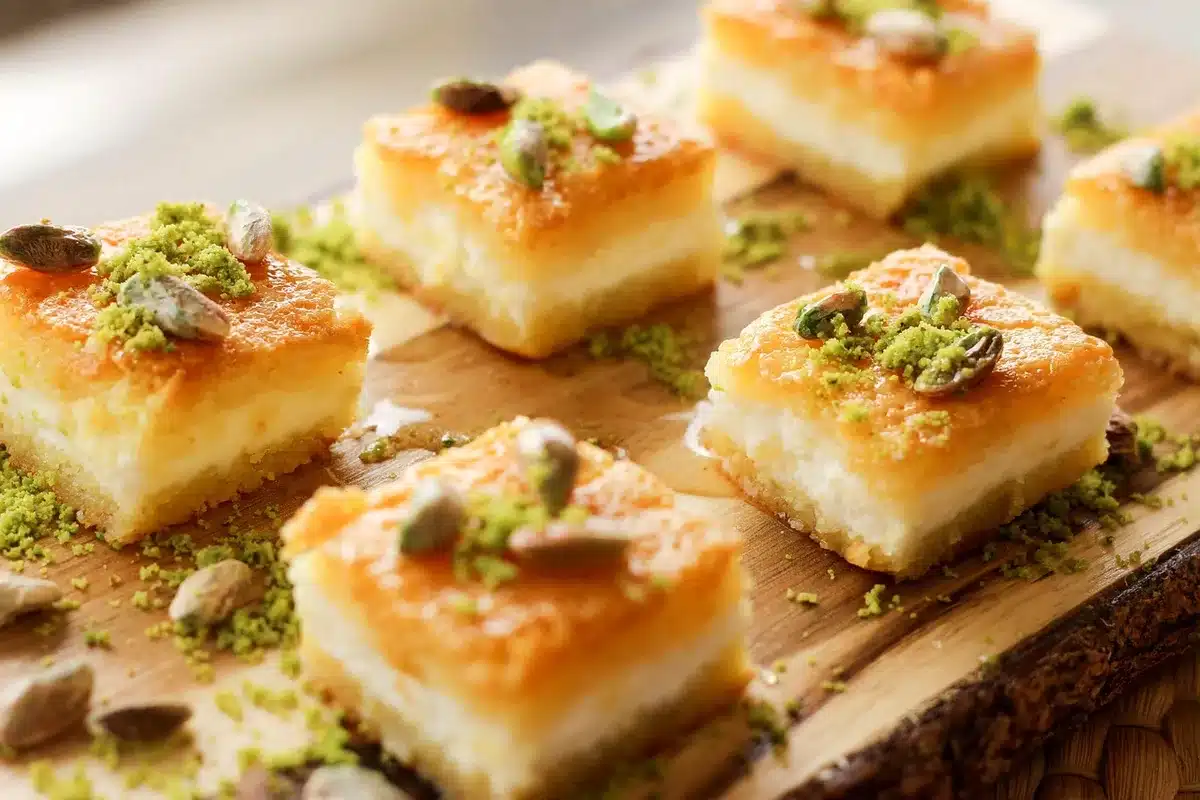
- Crunch: Marcona almonds, roasted pistachios, or seeded crackers
- Sweet: Local honey, fig jam, or fresh grapes
- Acid: Cornichons, pickled onions, or citrus segments
- Starch: Sliced baguette, rustic bread, and at least one neutral cracker
Quick reference: cheese types and serving notes
| Cheese Style | Examples | Serve at | Flavor cue |
|---|---|---|---|
| Fresh | Ricotta, chèvre | Chilled to room temp | Clean, tangy |
| Semi-firm | Manchego, young cheddar | Room temp | Buttery, slightly nutty |
| Washed-rind / pungent | Taleggio, epoisses | Room temp | Earthy, bold |
| Blue | Gorgonzola, Roquefort | Room temp | Salty, tangy |
Presentation that invites exploration
Arrange cheeses with space between them so guests can cut without crowding neighboring varieties. Group accompaniments nearby rather than directly on top of cheeses; this prevents cross-contamination and keeps the board tidy longer.
A single sprig of an herb or an artful pile of sliced fruit provides height and a focal point. But restraint is useful — the goal is to make combinations obvious, not overwhelming.
Pairing tips that actually help
Wine is the usual partner, but non-alcoholic options can be equally effective: sparkling water with lemon, crisp apple cider, or a lightly brewed tea can all brighten different cheeses. When in doubt, match intensity — light beverage with delicate cheeses, fuller-bodied drinks with aged or pungent ones.
For hosts short on time, a few intentional rules simplify decisions: pick one condiment that’s sweet, one that’s briny or acidic, and one crunchy element. That triad covers the main palate functions and gives guests immediate pairing options.
Small edits, big impact
Upgrading your cheese plate is less about spending more and more about thinking deliberately: aim for contrast, bring cheeses to the right temperature, provide the right tools, and add accompaniments that invite play. Those modest moves make your spread feel considered and communal — and ensure it’s talked about long after the last bite.
Sports bar chains ranked by beer variety: customers pick the top 8
Lebanese cafe arrives in downtown Santa Monica: chef Charbel Hayek launches relaxed eatery