Show summary Hide summary
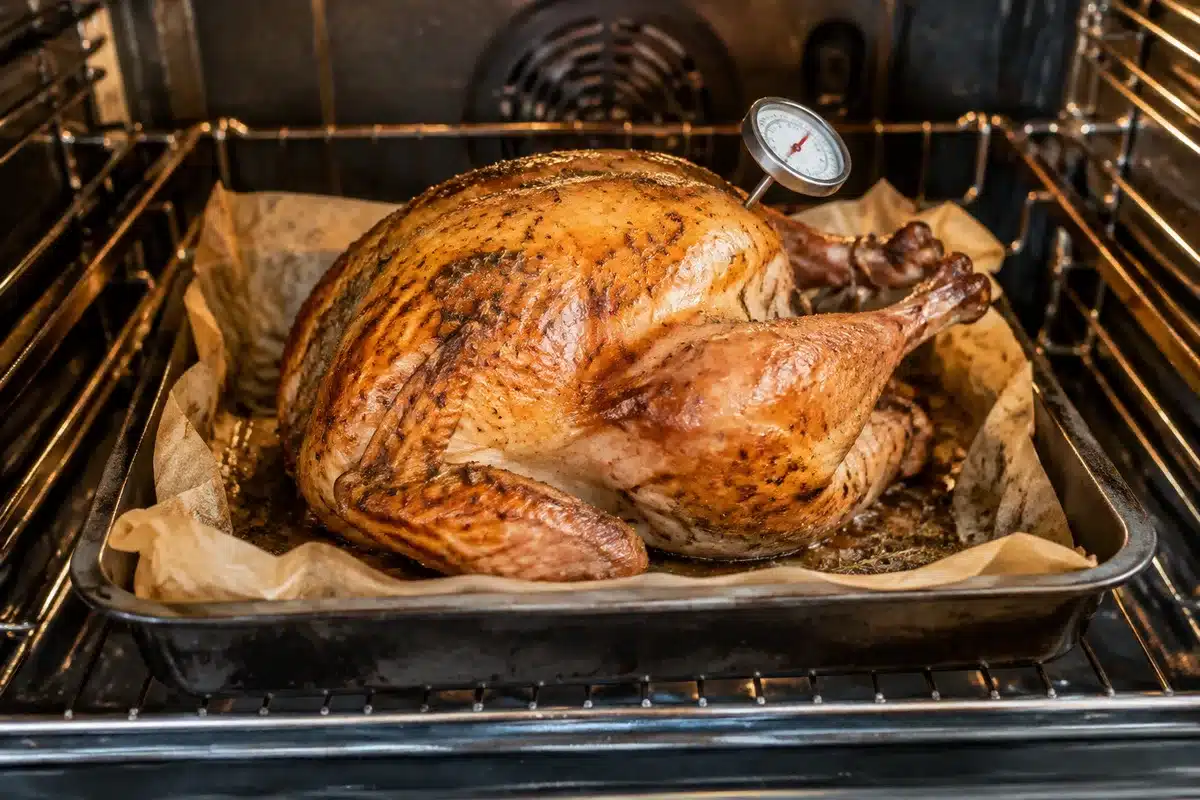
If you’re preparing a holiday turkey this week, don’t reflexively reach for the baster — that familiar tool does little to save a dry bird and can actually make it worse. Modern techniques like brining, reliable temperature checks and targeted finishing moves produce juicier meat and crisper skin without the constant oven door opening basters encourage.
Why the baster is overrated
The logic behind basting is intuitive: keep the surface moist so the meat doesn’t dry. In practice, repeatedly opening the oven or smoker drops the cooking temperature and slows the process, while surface liquids evaporate quickly and never penetrate to the meat. The result can be longer cook times and uneven texture, plus the annoying chore of standing over the stove for an hour.
Lebanese cafe arrives in downtown Santa Monica: chef Charbel Hayek launches relaxed eatery
Thanksgiving shortcuts: 9 pro-tested ways to save time and ditch kitchen stress
Instead, focus on two fundamentals: controlling how much moisture the bird loses and ensuring it reaches a safe final temperature without overcooking. Those objectives are accomplished more reliably with a good brine, proper resting, and a thermometer—not a baster.
Better approaches that actually change the result
Below are practical methods professional cooks use to protect juiciness and build flavor. Each reduces the need to open the oven and meddle during the cook.
- Brining (wet or dry): introduces salt and sometimes sugar to the meat so it retains more moisture during cooking.
- Temperature-first cooking: use an instant-read thermometer to monitor progress instead of judging by time or appearance.
- Spatchcocking or trussing: changes how heat moves through the bird and can shorten total cook time for more even results.
- Finish with a blast of heat: a short, high-temperature stage crisps skin without prolonged exposure that dries meat.
- Reserve pan juices: don’t baste during cooking—collect them after the bird rests and spoon or whisk into gravy.
Quick guide: timing and temperatures to keep in mind
These figures are practical targets for holiday cooks. Exact times vary by oven, smoker, and bird shape; rely on temperature first.
| Method | Approx. oven temp | Rough time guidance | Target internal temp |
|---|---|---|---|
| Roast whole | 325°F (160°C) | About 13–18 minutes per pound | 165°F (breast) / 175–180°F (thigh) |
| Low-and-slow smoke | 225°F (107°C) | Approximately 30–40 minutes per pound | 165°F (breast) / 175–180°F (thigh) |
| Spatchcocked (flattened) | 425°F (218°C) | 35–60 minutes, depending on size | 165°F in thickest breast |
How to brine without overcomplicating things
Both wet and dry brines improve moisture retention and flavor. A wet brine soaks the bird in a salted solution for 12–24 hours; a dry brine rubs salt on the skin and refrigerates it uncovered for 24–48 hours, which also helps dry the skin for better browning.

Whichever method you choose, rinse only if the recipe calls for it, pat the turkey very dry, and let it come close to room temperature before roasting. That combination reduces surface moisture that slows browning and cuts down the temptation to baste.
Finishing touches that actually matter
When the turkey nears your target internal temperature, pull it and tent loosely with foil for 20–30 minutes to allow carryover cooking and juice redistribution. Carve after resting; this single pause yields more tender slices than continual basting ever will.
For crisp skin, consider a short burst at 450–475°F (232–246°C) for 10–15 minutes at the end, or start the roast at a higher temperature for the first 20 minutes and then drop to the main cooking temperature.
Simple checklist for a better turkey (no baster required)
- Decide wet or dry brine at least a day ahead
- Use an instant-read thermometer; set alarms for target temps
- Limit opening the oven or smoker—check only when close to expected finish
- Let the bird rest before carving; save pan juices for gravy
- Finish with high heat for crisp skin if desired
As the holidays approach, this shift—from ritualized basting to evidence-based techniques—can make the difference between a middling centerpiece and a reliably juicy turkey. The baster might make you feel busy, but better results come from planning, temperature control and a little patience.
Chick-fil-A peach milkshakes pop up on menus this summer: grab them while they last
Pepsi faces fallout from 13 costly misfires: what consumers and investors should watch