Show summary Hide summary
Pepsi has a long history of product experiments — from clear colas to caffeinated morning drinks — and not all of them stuck. These high-profile misses matter because they show how shifting tastes, marketing missteps and timing can derail even the biggest brands.
Some patterns repeat: efforts to make cola more energizing, attempts to reinvent its classic taste, and pushes toward “healthier” formulations have produced the most notable flops. Each failure also leaves a lesson about how consumers judge novelty — not just by flavor but by context, labeling and when the product arrives on shelves.
What went wrong, at a glance
Lebanese cafe arrives in downtown Santa Monica: chef Charbel Hayek launches relaxed eatery
Thanksgiving shortcuts: 9 pro-tested ways to save time and ditch kitchen stress
- Pepsi A.M. (1989) — A caffeinated cola pitched for mornings that never overcame coffee rituals.
- Pepsi Wild Bunch (1991) — Three fruit-cola variants (Raging Razzberry, Strawberry Burst, Tropical Chill) tested only in small markets.
- Crystal Pepsi (1992) — A clear, caffeine-free cola that failed to match consumers’ flavor expectations.
- Pepsi Kona (1996) — A coffee-infused cola using Kona beans, limited-run and short-lived.
- Josta (1997) — An early energy-style cola with guarana that appealed mainly to younger drinkers.
- Pepsi Twist (2000) — Lemon-flavored cola that found pockets of success but was withdrawn in the U.S.
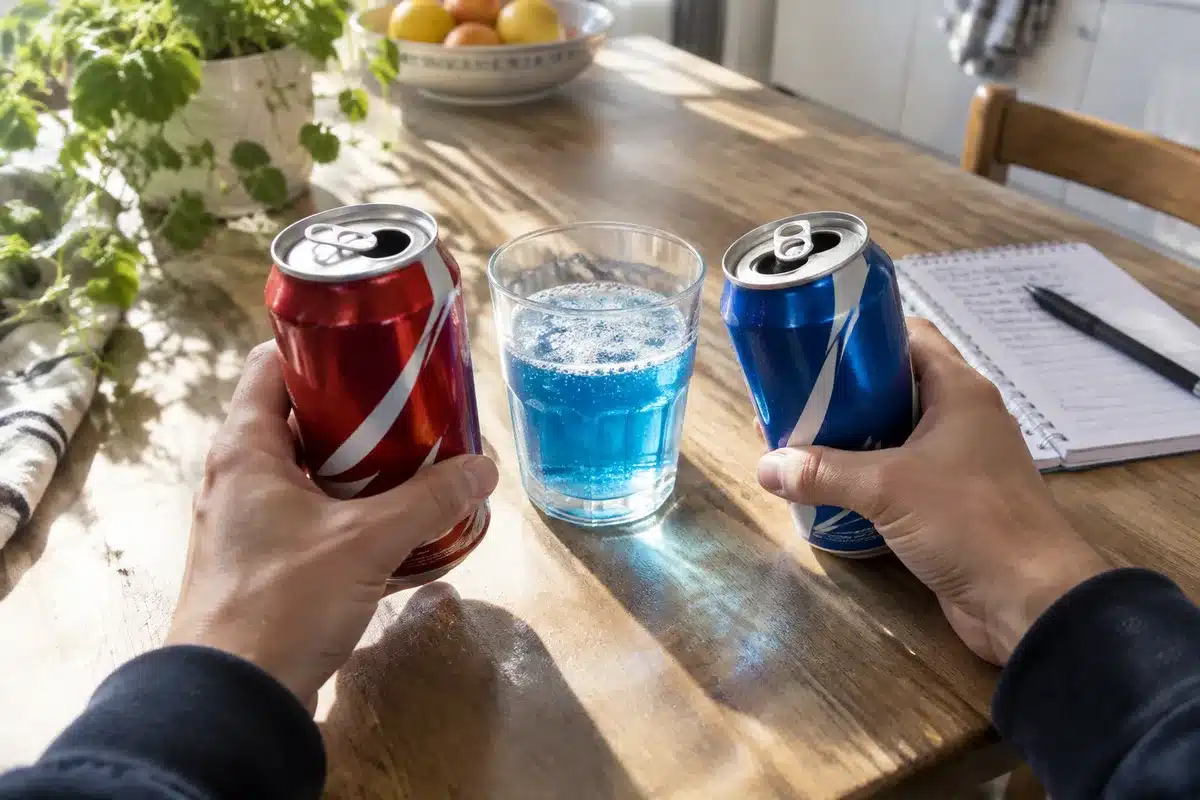
- Pepsi Blue (2002) — A translucent, berry-flavored blue cola that burned through heavy marketing with weak returns.
- Pepsi Edge (2004) — A mid-calorie cola with half the sugar that arrived before mainstream interest in “in-between” options.
- Pepsi Jazz (2006) — Dessert-inspired, zero-calorie flavors that struggled to build repeat buyers.
- Pepsi Summer Mix (2007) — A seasonal tropical-leaning variant that polarized tasters and failed to return.
- Pepsi Raw (2008) — A U.K. experiment using natural ingredients; performed better on-premise than in stores.
- Pepsi Next (2012) — Another reduced-calorie product that tried to bridge regular and diet drinkers and satisfied neither group.
- Pepsi True (2014) — A mid-calorie cola sweetened with cane sugar plus stevia that struggled to define its audience.
Early caffeine gambits: missing routine and scale
Pepsi A.M. was one of the brand’s first high-profile attempts to shift drinking occasions. Launched in limited tests in 1989, it increased the cola’s caffeine but couldn’t match consumers’ morning habits. Coffee and tea are ritualized: altering a cola’s caffeine content doesn’t change those rituals, and the product never advanced beyond trial markets.

The later Pepsi Kona tried a different approach — blending coffee notes into cola. Some tasters praised its balance of coffee richness and cola sweetness, but it remained a niche item, discontinued after a brief run. Both examples demonstrate that timing and consumer routines are as important as flavor innovation.
Color and novelty: why look didn’t equal sales
In the early 1990s and again in the 2000s, Pepsi pushed visual novelty when it introduced Crystal Pepsi and later Pepsi Blue. In marketing terms, both generated buzz and nostalgia; in commercial terms, neither delivered sustainable demand in major markets.

Clear or blue colas challenged what consumers expect a cola to taste and look like. When a product’s appearance signals something radically different, the taste needs to reinforce the promise. For Crystal Pepsi, the perceived “healthier” look failed to compensate for a flavor profile that didn’t match expectations. Pepsi Blue’s heavy promotional push briefly elevated awareness, but authenticity and long-term repeat purchases did not follow.
Health repositioning: ahead of demand or unclear message?
Pepsi has repeatedly tested mid-calorie and “natural” positioning. Pepsi Edge, Pepsi Next and Pepsi True were all iterations aiming to offer fewer calories without alienating regular cola drinkers.
Each faced a core problem: they were trying to serve two customer groups at once — people who wanted fewer calories but disliked artificial sweeteners, and people who preferred full-sugar taste. That split made it difficult to build a loyal user base. In some cases, reformulations (removing aspartame, for example) came too late to salvage momentum.
Flavor plays that didn’t catch on
Pepsi has also experimented with dessert-like and tropical flavors. Pepsi Jazz introduced indulgent, zero-calorie options such as Black Cherry French Vanilla and Strawberries & Cream. The line generated enthusiasts but not broad commercial traction. Similarly, limited releases like Pepsi Summer Mix and the fruit-focused Wild Bunch series polarized palates: some fans loved them; most consumers did not buy them often enough.
These launches underline a recurring truth: novelty can spark curiosity, but repeat purchase is driven by consistent, broadly appealing taste and clear product positioning.
Lessons and what it means today
For consumers, these missteps explain why certain nostalgic flavors resurface occasionally — limited re-releases tap into memory even if long-term viability is low. For Pepsi and the wider beverage industry, the history shows three takeaways:
- Product timing and consumer habits matter as much as recipe changes.
- Hybrid positioning (neither fully diet nor fully regular) risks pleasing no one.
- Clear marketing signals are essential: packaging, name and claims must align with the taste experience.
Today’s market looks different: natural sweeteners, energy ingredients and flavored sodas are mainstream in ways they weren’t two decades ago. Some concepts that failed in the past might find more receptive audiences now — but only if positioning, taste and timing align.
Pepsi’s record of trial and error shows how major brands use product launches to read consumers’ changing preferences. Not every experiment succeeds, but each offers data that shapes future bets — and occasionally produces a comeback fueled by nostalgia.
Chick-fil-A peach milkshakes pop up on menus this summer: grab them while they last
Pepsi faces fallout from 13 costly misfires: what consumers and investors should watch