
Show summary Hide summary
Finding a reliable drink order isn’t about memorizing a cocktail name — it’s about understanding the taste you want and communicating that to a bartender. As cocktail menus expand and home drinking habits evolve, learning how to describe your preferences will get you better drinks wherever you go.
Think in flavors before names
Caramel, butterscotch, toffee: how their differences affect your desserts
McDonald’s rebrands Twitter to honor Bubba Wallace after his first NASCAR Cup win
Rather than insisting on a single cocktail every time, focus on the sensory qualities you enjoy. Do you prefer something bright and acidic, soft and creamy, bitter and botanical, or light and fizzy? That simple scan of your palate makes it easier to land on a satisfying choice across different bars and menus.

Season, setting and mood will change your ideal drink. A beachside bar calls for something different than a dim, late-night cocktail lounge. If you know the flavor profile you like, the bartender can adapt—and you avoid becoming predictable without sacrificing certainty.
Give bartenders a useful brief
Saying only “surprise me” puts the onus entirely on the bartender. A few specific cues work much better and lead to creative, appropriate pours.
- Start with a reference: name a spirit or a drink you already enjoy, then add one tweak—“less sweet,” “more herbal,” “spicier,” or “more effervescent.”
- Describe texture or strength: cold and stirred, fizzy and light, or boozy and warming.
- Explain why you like the reference: it’s “citrusy,” “refreshing,” or “bitter-forward.”
Justin Lavenue, a veteran mixologist in Austin, says that giving context—what you like and why—lets bartenders build something tailored to you, rather than handing you a generic recommendation.
Learn cocktail families; they’re your shortcut
Cocktails cluster into broad categories that share structure and flavor. Once you know which families appeal to you, you can explore confidently.
Some useful groups to keep in mind are sour drinks (spirit + citrus + sweet), highballs (spirit + mixer, usually carbonated), stirred spirit-forward cocktails, spritz-style aperitifs, and tropical or tiki-style pours. Each family delivers a predictable profile even as ingredients change.
Easy gateway drinks to try each spirit
To get a true sense of a spirit without being overwhelmed, sample it in a simple, balanced cocktail. These classic entry points let the base spirit show while providing support from citrus, sugar, and dilution.
- Daiquiri — great for experiencing rum in a bright, clean format
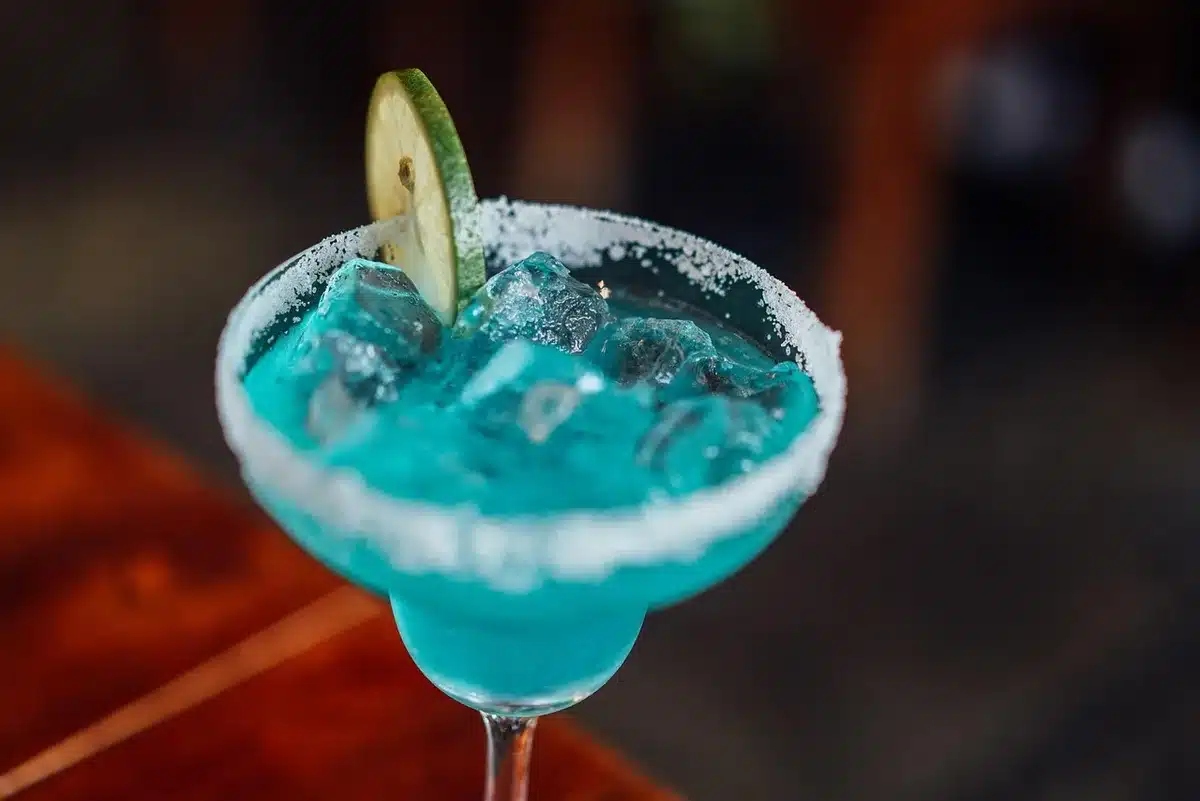
- Margarita — a clear window into tequila’s citrusy and agave notes
- Whiskey sour — useful for bourbon or rye, balancing warmth with acidity
- Gimlet or Southside — approachable ways to compare different gins
- Highball — a gentle introduction to many spirits when paired with soda
Start simple rather than jumping into the most spirit-forward preparations. A well-made sour, for instance, reveals character without requiring you to shoulder an undiluted challenge.
Keep a short list of impressions
One practical tip is to record a few notes on your phone after tasting: what you liked, what felt off, and any standout ingredients. Over time patterns appear and your “go-to” becomes a flexible set of preferences rather than a rigid order.
That approach makes ordering more enjoyable for you and more useful for bartenders—so you get drinks that match your taste and maybe discover new favorites along the way.
Irish whiskey: approachable bottles new drinkers should try today
Fishtown restaurants ranked: must-visit spots locals are raving about