Show summary Hide summary
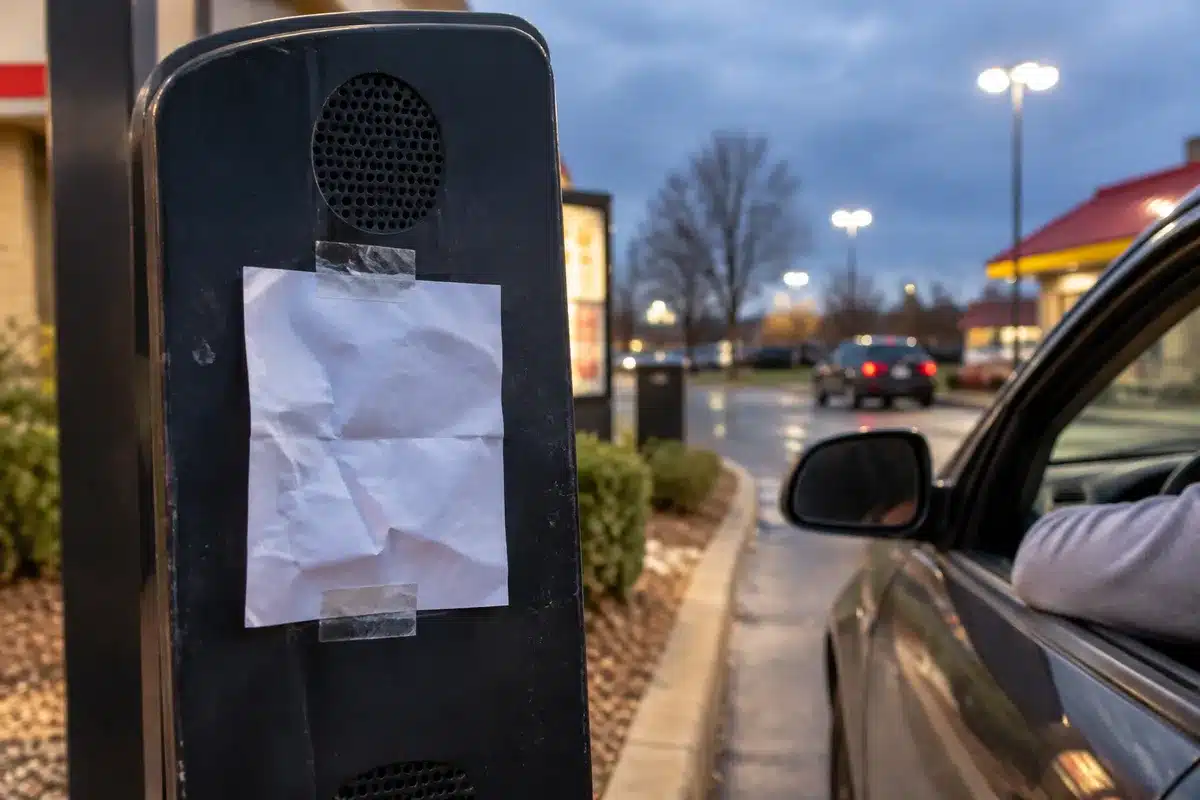
A photograph of a handwritten note over a fast‑food drive‑thru speaker has ignited a fresh online conversation about working conditions at quick‑service restaurants, and why customers may soon see more service disruptions. The image — and the reactions it generated — touch on worker morale, public sympathy and the growing chatter about automation in the sector.
A Twitter user shared a picture showing a note taped to a speaker at a McDonald’s drive‑thru announcing the outlet was closed after an employee abruptly quit. The post quickly spread across social platforms, drawing widespread attention and sparking debate about whether the message was a one‑off outburst or a symptom of deeper issues in the industry.
What happened, according to the poster
Lebanese cafe arrives in downtown Santa Monica: chef Charbel Hayek launches relaxed eatery
Thanksgiving shortcuts: 9 pro-tested ways to save time and ditch kitchen stress
In a later update to the original thread, the person who posted the photo said staff at the location told them the note had been left by a manager working the night shift who resigned suddenly, and it remained up until the next day. The post accumulated substantial engagement — tens of thousands of shares and likes — as users weighed in.

Reactions were split. Many users expressed sympathy, recounting their own difficult experiences working in fast food. Others criticized the manner in which the employee left, predicting technological fixes or automated kiosks would accelerate if staff walkouts and abrupt departures continue.
Why this matters now
The episode matters beyond a single closed window because it highlights several trends affecting the restaurant industry: staffing strains after the pandemic, ongoing debates over pay and scheduling, and increasing investment in self‑service technology. For customers, that can mean longer waits or temporary closures; for employers, reputational risk and operational upheaval.
- Operations: Sudden departures can force temporary shutdowns of services like the drive‑thru, reducing revenue and inconveniencing customers.
- Workforce morale: Public displays of frustration can signal low job satisfaction, which can make recruitment and retention harder.
- Automation pressure: Companies may accelerate adoption of kiosks, apps and robotic systems to reduce dependence on frontline staff.
- Brand perception: Viral images can quickly shape public views about how a company treats its employees.
Analysts and labor advocates say single incidents like this are rarely isolated. Short‑staffing, unpredictable hours and pressure during peak service times continue to push employees toward resigning or speaking out. At the same time, companies argue that investments in technology can improve consistency and lower costs, which has triggered a public debate about the future of service jobs.
Voices on social media
Comments ranged from personal anecdotes of similar frustrations to more strategic observations. Some users framed the note as an understandable reaction to difficult working conditions, while others suggested it was naïve and would hasten the move to automated systems. A number of posts urged patience for workers, noting that shutting down briefly after a sudden resignation can be the only safe option.
Not all responses were lengthy: short replies — whether supportive or critical — helped the post reach a much wider audience than it otherwise would have.
Fox News contacted McDonald’s for comment but did not receive an immediate response, according to the outlet that first circulated the image.
For now, the photograph serves as a reminder that frontline service jobs remain volatile and visible. Whether this incident pushes more restaurants to change staffing practices, accelerate automation, or both, will depend on how widespread such departures become and how consumers react to the tradeoffs between human service and technological convenience.
Chick-fil-A peach milkshakes pop up on menus this summer: grab them while they last
Pepsi faces fallout from 13 costly misfires: what consumers and investors should watch