Show summary Hide summary
As summer gatherings pick up, a well-composed French cheese plate can lift an evening from casual to memorable. A few simple principles—balance of textures, clear serving order, and smart pairings—make building one easy, whether you’re hosting friends or shopping at your local market.
Start with a plan, not a pile
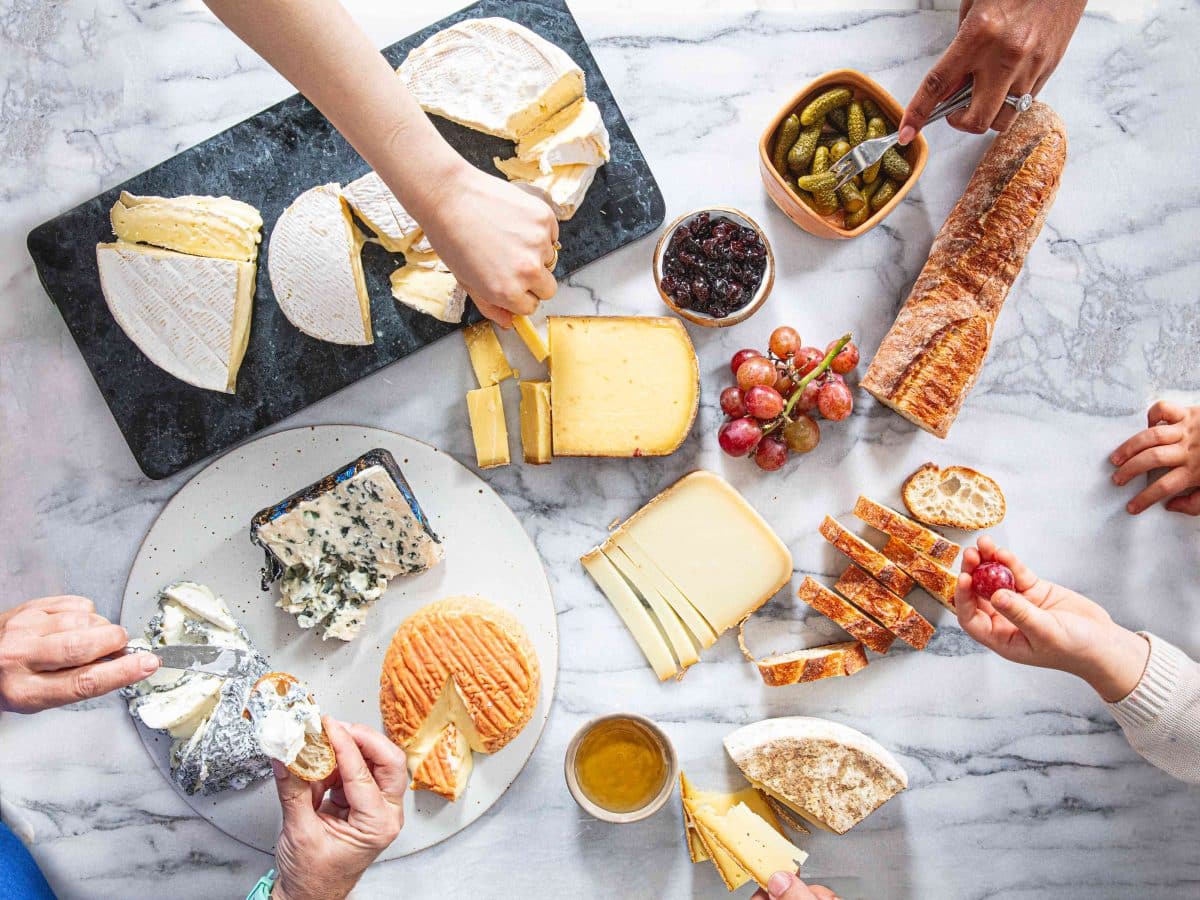
Think of the plate as a mini tasting menu. Aim for contrast: a creamy cheese, a firm ripened cheese, a tangy goat cheese, and something aged or washed-rind for punch. This variety keeps every bite interesting and makes it easier for guests to explore flavors.
Caramel, butterscotch, toffee: how their differences affect your desserts
McDonald’s rebrands Twitter to honor Bubba Wallace after his first NASCAR Cup win
- Texture matters: alternate soft and firm to reset the palate.
- Flavor arcs: move from mild to strong as you taste.
- Portioning: plan about 1.5 to 2 ounces per person if the cheese is the main snack, less if it accompanies a larger meal.
Cheeses to include and why
Below is a compact guide to classic French options that work well together. Each row pairs a cheese type with quick tasting notes and pairing ideas to simplify shopping and assembly.
| Cheese | Texture & Notes | Simple Pairings |
|---|---|---|
| Brie de Meaux | Soft, buttery — delicate mushroom and cream notes | Baguette, fig jam, light red (Pinot Noir) |
| Comté | Firm, nutty — long finish with savory complexity | Walnuts, apples, dry white (Chardonnay) |
| Chèvre (fresh goat) | Tangy, spreadable — bright citrus and herb tones | Honey, herbs, crisp white (Sauvignon Blanc) |
| Époisses or Munster | Washed-rind, earthy — pungent, savory depth | Rustic bread, strong chutney, robust red (Gamay) |
| Roquefort or blue | Crumbly, salty — rich blue veining and tang | Pear, honey, late-harvest wine or fortified wine |
How to arrange and serve
Remove cheeses from refrigeration at least 30–60 minutes before serving; colder cheese mutes flavor. Place them on the board from mildest to strongest clockwise so guests can progress naturally.
Use separate knives for each cheese or label them to avoid flavor crossover. Leave a little space around each wheel or wedge—crowding makes cutting awkward and reduces visual appeal.
Small touches that improve everything
Accompaniments are not ornaments; they’re functional. A few small, intentional additions help highlight each cheese’s character and offer palate cleansers between bites.
- Fresh fruit (grapes, sliced apples or pears) for acidity and crunch.
- Preserves and honey to offset salt and funk, especially with blue cheeses.
- Mixed nuts for texture contrast—lightly toasted almonds or walnuts work well.
- Two kinds of bread: crusty baguette and a denser cracker to suit different cheeses.
Buying tips from the market
Visit a specialist cheese counter when you can. Staff can recommend current-season varieties, advise on aging, and often cut to order. If you shop a supermarket, look for whole wheels or blocks rather than pre-sliced portions—freshly cut cheese keeps its aroma and texture.
For sustainability and flavor, ask about local or regional producers—many small dairies in France and elsewhere make cheeses that echo classic styles but with fresher supply chains.
Pairing basics — keep it simple
Wine, beer, and nonalcoholic pairings don’t need to be complicated. The rule of thumb is contrast or complement: match weight with weight, or use opposites to balance.
- Light, crisp wines for fresh goat cheeses.
- Fuller whites or medium-bodied reds for firm, aged cheeses.
- Hoppy beers or cider for washed-rind or funkier selections.
Final checklist before guests arrive
Quick actions that make a difference:
- Bring cheeses to room temperature 30–60 minutes ahead.
- Label each cheese or leave a short note for guests.
- Arrange knives and small spoons for spreads and jams.
- Top up palettes with crackers and neutral bread.
With a modest investment of time and a few carefully chosen cheeses, you can assemble a French cheese plate that feels thoughtful and effortless. The payoff is social: people linger, compare bites and pairings, and the plate becomes the evening’s quiet centerpiece.
Irish whiskey: approachable bottles new drinkers should try today
Fishtown restaurants ranked: must-visit spots locals are raving about