Show summary Hide summary
Mashed potatoes are one of the few holiday dishes you can confidently prepare ahead without sacrificing texture or flavor. With a few simple techniques—choice of potato, careful handling, and the right reheating method—you can free yourself from last-minute stove-side panic and still serve fluffy, creamy potatoes that taste freshly made.
Choose the right potato and the right tool
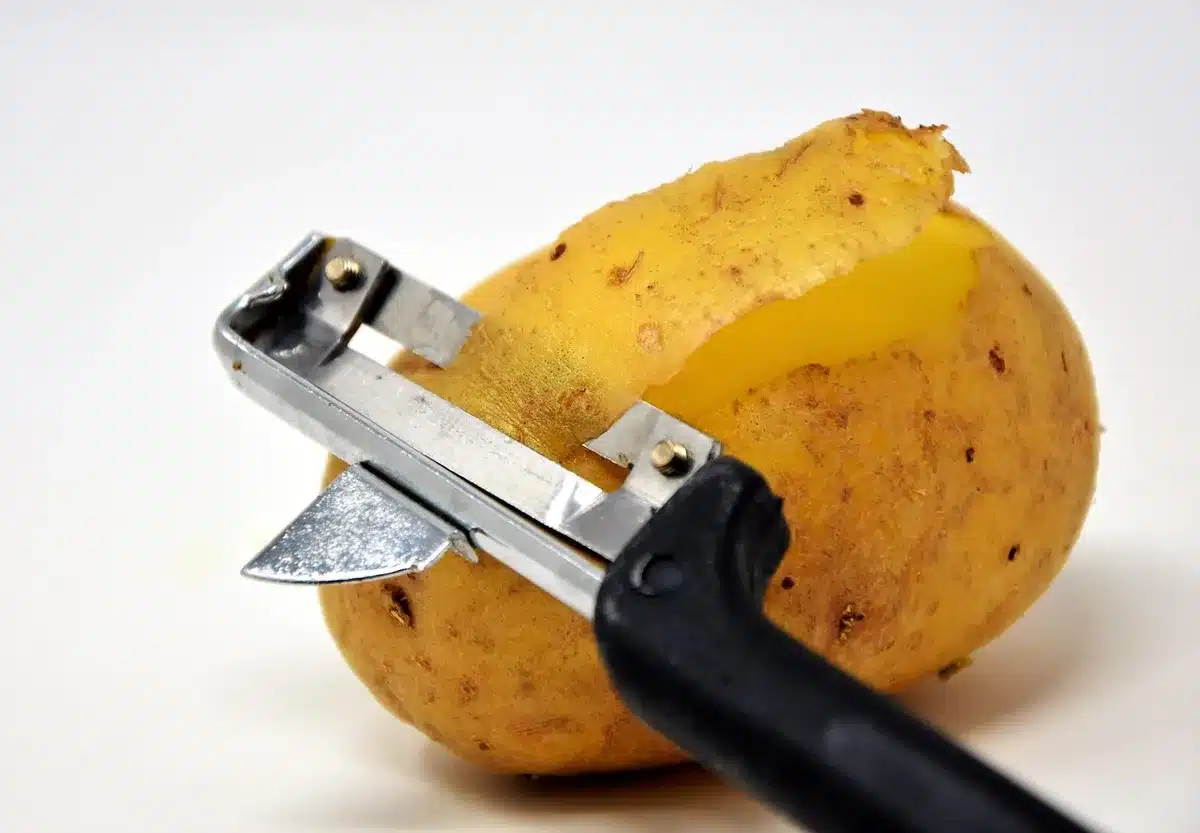
The foundation matters. For fluffy, pillowy mash, opt for high-starch varieties such as Russets or Yukon Golds; they break down cleanly and absorb butter and cream better. Avoid waxy reds or fingerlings when your goal is light, airy potatoes—those tend to produce a denser, gluey result when overworked.
A ricer or food mill gives the most consistent texture. If you must use a mixer, proceed briefly and at low speed. The single biggest risk to good mash is vigorous mixing: do not overwork the potatoes — the starch will release and make them gummy.
Lebanese cafe arrives in downtown Santa Monica: chef Charbel Hayek launches relaxed eatery
Thanksgiving shortcuts: 9 pro-tested ways to save time and ditch kitchen stress
Make-ahead basics
You can prepare mashed potatoes up to two days in advance and store them in an airtight container in the refrigerator. For longer storage, mashed potatoes freeze well for up to three months if packed tightly and sealed.
When you prepare ahead, finish the mash slightly drier than you want to serve. Hold back a little butter and warm dairy so you can loosen and refresh the texture when reheating.
- Cool quickly: spread in a shallow pan until warm, then chill to speed refrigeration and reduce bacterial growth.
- Reserve hot liquid: keep a cup of warm milk, cream or potato cooking water for reheating.
- Keep some butter aside: adds sheen and richness at the finish.
Reheating — pick the right method for your timing
Reheating is where many make-ahead plans fail, but done properly it restores the qualities of freshly made mash. Below is a quick guide to common reheating methods and when to use them.
| Method | Best for | Notes |
|---|---|---|
| Oven (covered, 325°F / 160°C) | Large batches for buffet/service | 20–40 minutes depending on amount; stir once and add warm cream/butter. |
| Stovetop (double boiler) | Small to medium batches, control over texture | Gentle heat, stir frequently; add reserved warm dairy as needed. |
| Slow cooker (low) | Hands-off holding for hours | Set on low, cover, stir occasionally. Add butter at serving to restore shine. |
| Microwave | Single servings or last-minute touch-ups | Heat in short bursts, stir between intervals and add liquid incrementally. |
Finishing touches that matter
Always bring your dairy (milk, cream, or half-and-half) and butter to at least lukewarm before adding. Cold liquid will shock the mash and make it gluey. If you kept some butter or cream back, fold them in at the end to restore the glossy finish.
Season in stages: salt the cooking water so potatoes absorb seasoning from within, then taste and adjust once mashed. For a brighter finish, a spoonful of sour cream, crème fraîche, or a splash of good olive oil can add depth without excess heaviness.
Short, practical rules to remember:
– Use a ricer or food mill for the lightest texture.
– Do not overmix — especially with electric beaters.
– Reheat slowly and add warm dairy gradually.
– Hold in a low oven or slow cooker for service; cover to prevent skinning.
Make-ahead mashed potatoes remove a major timing pressure from holiday cooking. With deliberate choices—pick the right potato, handle it gently, and reheat with hot dairy—you’ll serve a side dish that feels freshly made while freeing up valuable stove and oven time for the rest of the meal.
Chick-fil-A peach milkshakes pop up on menus this summer: grab them while they last
Pepsi faces fallout from 13 costly misfires: what consumers and investors should watch