Show summary Hide summary
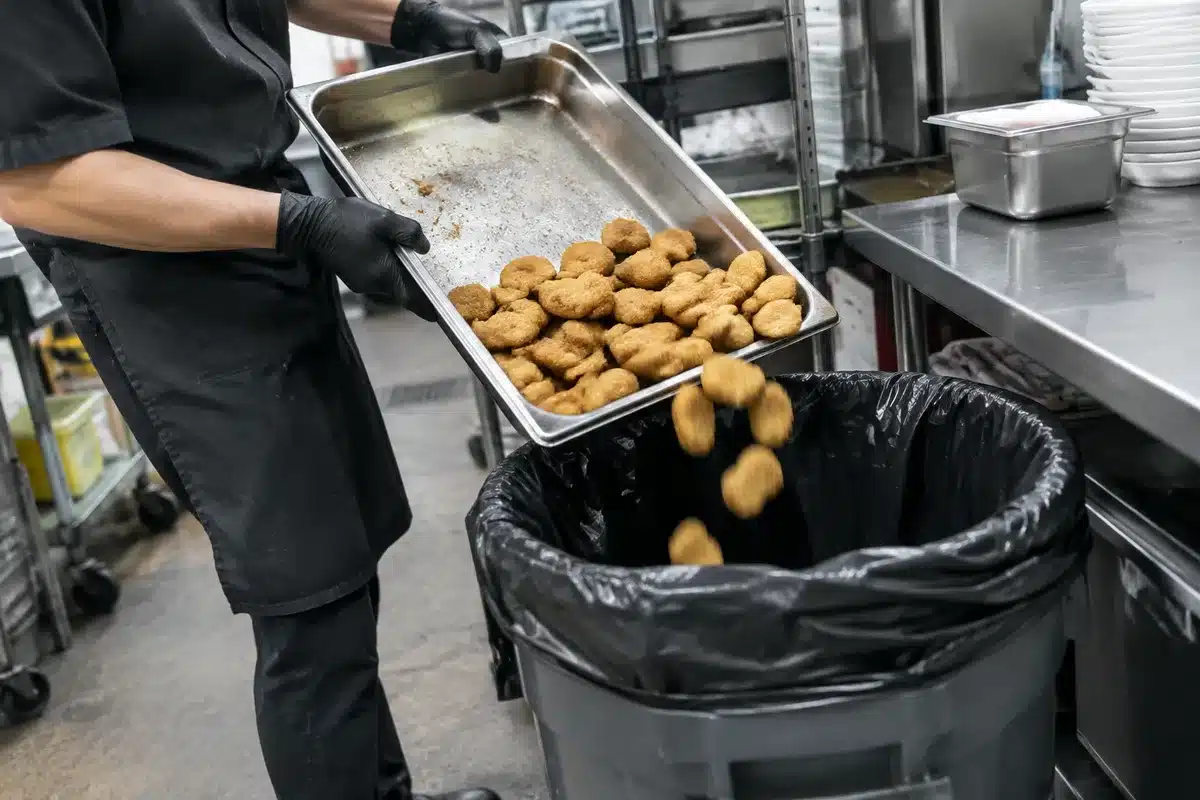
A short video showing a Chick-fil-A worker discarding a full tray of chicken nuggets has reignited debate over restaurant food policies and waste. The clip, which has drawn millions of views, raises immediate questions about what quick-service chains can — and should — do with surplus food and how public health rules shape those choices.
The footage, posted to TikTok by an account using the handle @jlucvss, appears to show a different employee tossing an entire tray of nuggets into a trash bin. The clip has been watched more than 7 million times and prompted a wave of reactions from users who alternately criticized the practice, asked why the items weren’t donated, or warned about potential safety risks from distributing food after long periods out of temperature control.
Food waste has become a flashpoint for social media scrutiny, especially when a recognizable brand is involved. Viewers were quick to point out the tension between visible waste and persistent food insecurity in many communities.
Lebanese cafe arrives in downtown Santa Monica: chef Charbel Hayek launches relaxed eatery
Thanksgiving shortcuts: 9 pro-tested ways to save time and ditch kitchen stress
Public reaction and practical concerns
Comments under the post ranged from calls to donate surplus meals to reminders about food safety. Some users urged staff to pass unsold items to those in need; others noted that prepared chicken kept outside refrigerated or heated conditions for hours could become unsafe to eat.

Experts and food-safety authorities typically advise strict temperature controls and time limits for perishable items, which can restrict when and how cooked food is redistributed. That nuance appears to be at the center of the disagreement online: the ethical impulse to feed people versus the legal and health constraints that restaurants must follow.
- What the clip shows: An employee discarding a full tray of nuggets late at night, according to the TikTok post.
- Audience response: Millions of views and mixed reactions — anger over waste, suggestions to donate, concerns about foodborne illness.
- Company policy noted: Chick-fil-A markets a donation initiative called Shared Table, under which participating locations package surplus items for charities.
- Outstanding question: How often franchise practices differ from corporate guidance and what safety limits apply to donating prepared chicken.
Corporate response and existing programs
On its website, Chick-fil-A describes Shared Table, a program launched in 2012 that allows some franchisees to share extra food with local nonprofit groups and soup kitchens. The company says participating restaurants package and deliver eligible items to partner organizations rather than discarding them.

Fox News and other outlets sought comment from Chick-fil-A after the video circulated; the chain did not immediately reply to requests for clarification about the incident or whether the location involved participates in the donation program.
Why this matters now
The viral clip lands during growing public focus on corporate responsibility, sustainability, and food insecurity — topics that influence customer perceptions and can spur policy or procedural changes at the local level. For consumers, the episode highlights how front-of-house operations and back-of-house rules interact, and why what looks like avoidable waste may sometimes reflect safety or regulatory constraints.
For restaurants, the reputational cost of such viral moments is immediate. Many operators facing similar scrutiny end up reviewing internal procedures, staff training, and partnerships with community organizations to reduce waste while staying within food-safety guidelines.
For readers: if you witness or share footage like this, remember that on-the-ground decisions often involve a mix of company policy, local health codes, and practical logistics. Questions about whether food could safely be redirected to people in need are legitimate — and they’re precisely the conversations communities and businesses are now having more openly.
Chick-fil-A has acknowledged publicly that some locations take part in donation efforts, but the company had not offered a specific comment about the TikTok clip at the time of publication.
Chick-fil-A peach milkshakes pop up on menus this summer: grab them while they last
Pepsi faces fallout from 13 costly misfires: what consumers and investors should watch