Show summary Hide summary
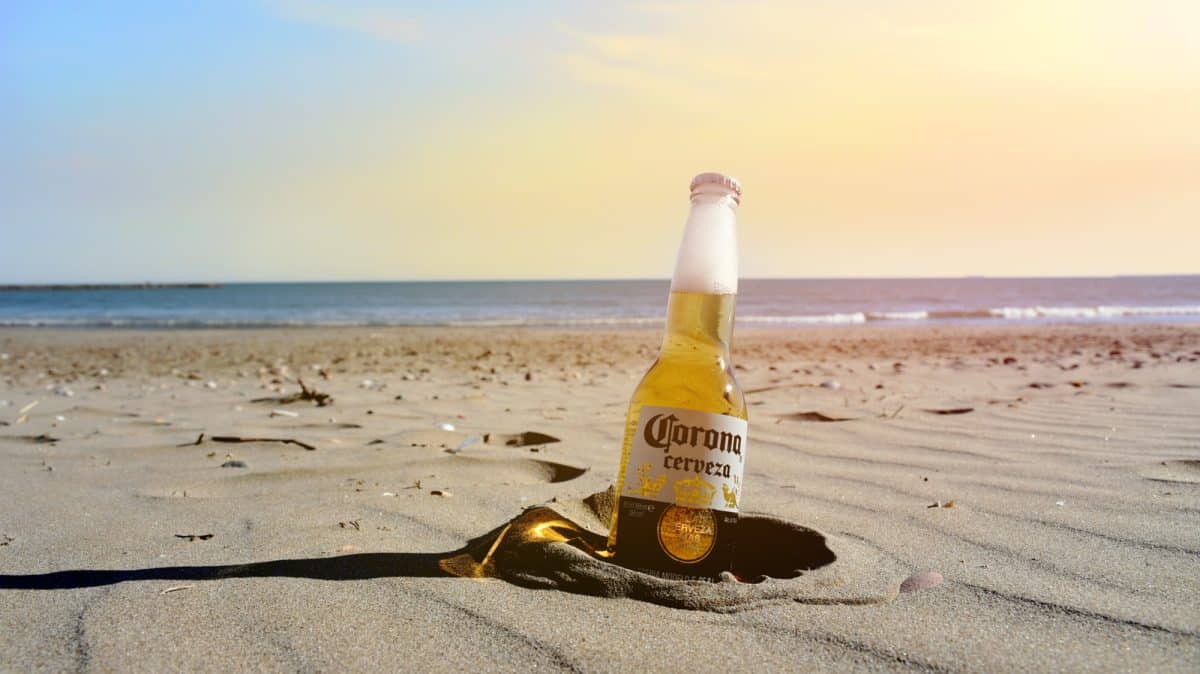
Corona’s transparent bottle is one of the most recognizable packaging choices in beer, and it still raises questions: why show the beer rather than protect it? The answer mixes early marketing moves, a recipe rooted in Mexico’s grains, and a scientific risk that brewers only fully understood decades later.
Branding over barrier
From its early days, Corona leaned into an image that depended on visibility. The clear glass let shoppers see the pale beer inside, a cue used to signal cleanliness and to set Corona apart from muddier, locally popular drinks of the time. That visual distinction became part of the brand’s identity long before the chemistry of beer light damage was widely known.
Caramel, butterscotch, toffee: how their differences affect your desserts
McDonald’s rebrands Twitter to honor Bubba Wallace after his first NASCAR Cup win
Today, the bottle still plays a role in Corona’s beach‑oriented positioning—customers associate the pale color and clear glass with sunshine and casual moments. But that choice carries a trade-off: it exposes the beer to light in ways darker bottles do not.
The chemistry behind a ruined beer
Light interacts with hops-derived compounds in beer, breaking down certain alpha acids and leading to the formation of sulfur-containing molecules that smell and taste off. Brewers commonly call this condition light-struck or skunked. Brown glass was adopted widely because it blocks the ultraviolet and violet light wavelengths primarily responsible for those reactions; green and clear bottles offer far less protection.
Researchers only traced this light-driven reaction back to its chemical roots in the mid‑20th century, after Corona had already adopted its transparent packaging. That historical timing helps explain why a brand would favor visibility over stability—and why many other breweries shifted toward darker glass when the science became clear.
How to enjoy Corona at its best
Clear bottles mean consumers need to be a bit more mindful if they want the beer as the brewer intended. Simple handling and serving steps keep flavor loss to a minimum:
- Keep it cold: chill Corona thoroughly and keep it cool until serving to preserve carbonation and mute light‑related off‑flavors.
- Drink promptly: avoid long storage under store lights or at room temperature—freshness declines over time.
- Add a lime wedge: beyond tradition, citrus can brighten the beer and help mask minor off notes.
- Check the date: follow the best by information on the neck to reduce the chance of degraded flavor.
- Avoid temperature swings: repeated heating and cooling accelerates chemical changes that harm taste.
These steps are practical whether you buy a single bottle or a multipack. They matter most if the beer spends time under shop lighting or in warm delivery trucks, where exposure and heat combine to reduce quality.
A recipe and a pairing
Corona’s original formulation incorporated local maize when it was developed in the 1920s, a grain choice that helps explain why a squeeze of lime became a natural match for the beer. The citrus not only complements the lighter body and mild malt character but also became an on‑brand ritual for serving.
For shoppers and casual drinkers, the takeaway is straightforward: Corona’s clear bottle is an intentional look with practical consequences. If you want the intended flavor, store and serve it carefully—or opt for darker‑bottled beers if maximum protection from light is your priority.
Irish whiskey: approachable bottles new drinkers should try today
Fishtown restaurants ranked: must-visit spots locals are raving about