Show summary Hide summary
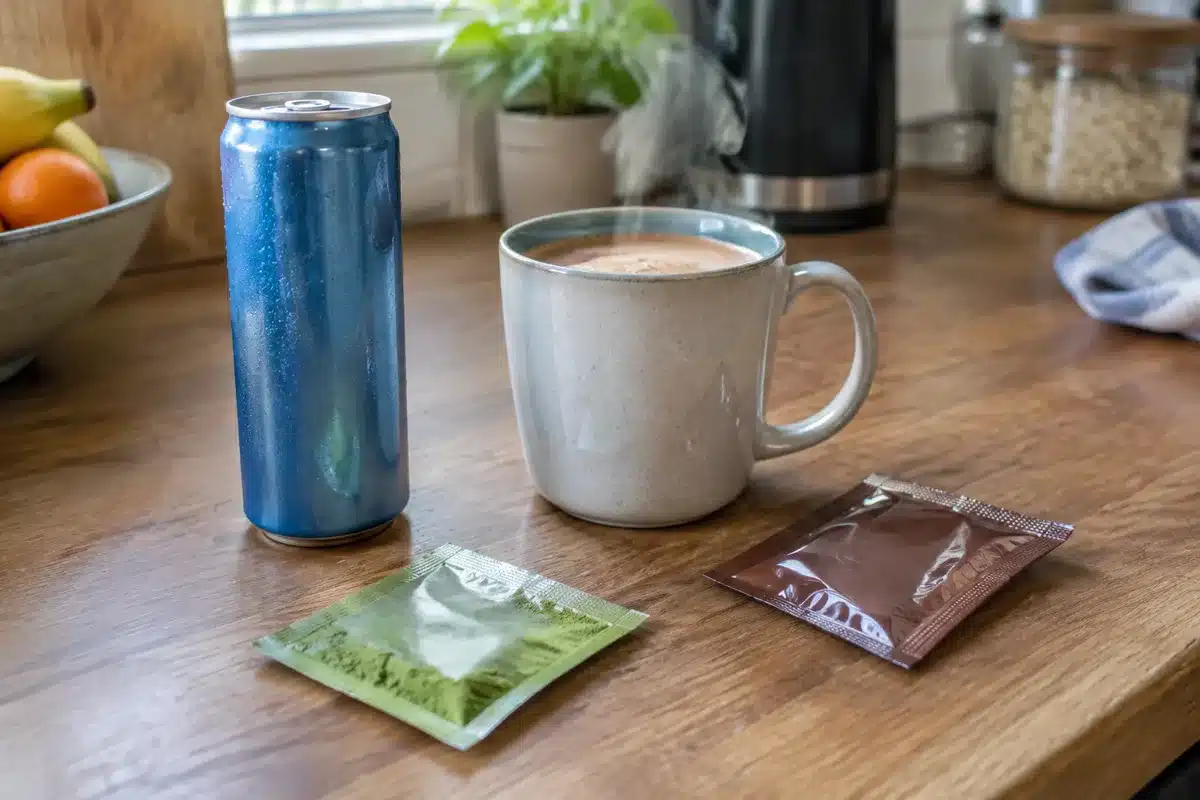
More people are seeking caffeine outside the morning mug, and beverage makers have responded by engineering drinks that outpace a standard cup of coffee. That shift matters because several widely available products now deliver substantially more caffeine per serving than an average 8‑ounce brew — with consequences for daily intake and health.
Coffee still dominates overall, but certain canned coffees, concentrated teas and powdered mixes are built to pack a bigger jolt. Below are five notable options that deliver more caffeine per serving than a typical cup of joe, along with what to watch for if you’re adding them to your routine.
San Francisco restaurants: new openings to try in November 2026
Beef braises surge as weekend comfort: 10 hearty, saucy recipes to try
Bang Energy
Not all energy drinks are created equal. While many brands hover below coffee’s caffeine density, Bang Energy positions itself at the extreme end of the spectrum. A standard 16‑ounce can contains about 300 mg of caffeine — roughly three times the caffeine in an 8‑ounce cup of coffee.
The brand offers variations with different levels (for example, some lines contain about 250 mg per can), but the flagship formula is deliberately formulated for high caffeine. That makes Bang a potent single‑serving dose rather than a beverage to sip casually throughout the day.
Republic of Tea — HiCAF line
Tea leaves inherently contain substantial caffeine, but most steeped teas extract less than coffee per cup. The Republic of Tea’s HiCAF collection takes a different route: each bag contains added green tea extract and extra caffeine to elevate the brew.
Depending on the flavor, a single tea bag (designed for about 8 ounces of water) can deliver from roughly 110 mg up to about 140 mg of caffeine. That places several HiCAF varieties above the caffeine level of a standard cup of coffee.
Drippco Caffeinated Hot Chocolate
For people who prefer a hot drink without coffee’s flavor, there are caffeinated cocoa options. Drippco’s single‑serve pouch is formulated to provide approximately 150 mg of caffeine when mixed as directed, making it a surprisingly strong hot chocolate.
The product is sold primarily as a single classic chocolate flavor. For consumers who want a hot, non‑coffee morning beverage with a significant caffeine dose, it’s a ready‑to‑use alternative to stirring in instant coffee or energy shots.
ACTA Matcha Energy Tea
Matcha contains more caffeine than most steeped teas because you consume the whole powdered leaf. ACTA’s Matcha Energy Tea amplifies that natural advantage: the powdered mix lists about 170 mg of caffeine per serving, a level the company compares to multiple espresso shots.
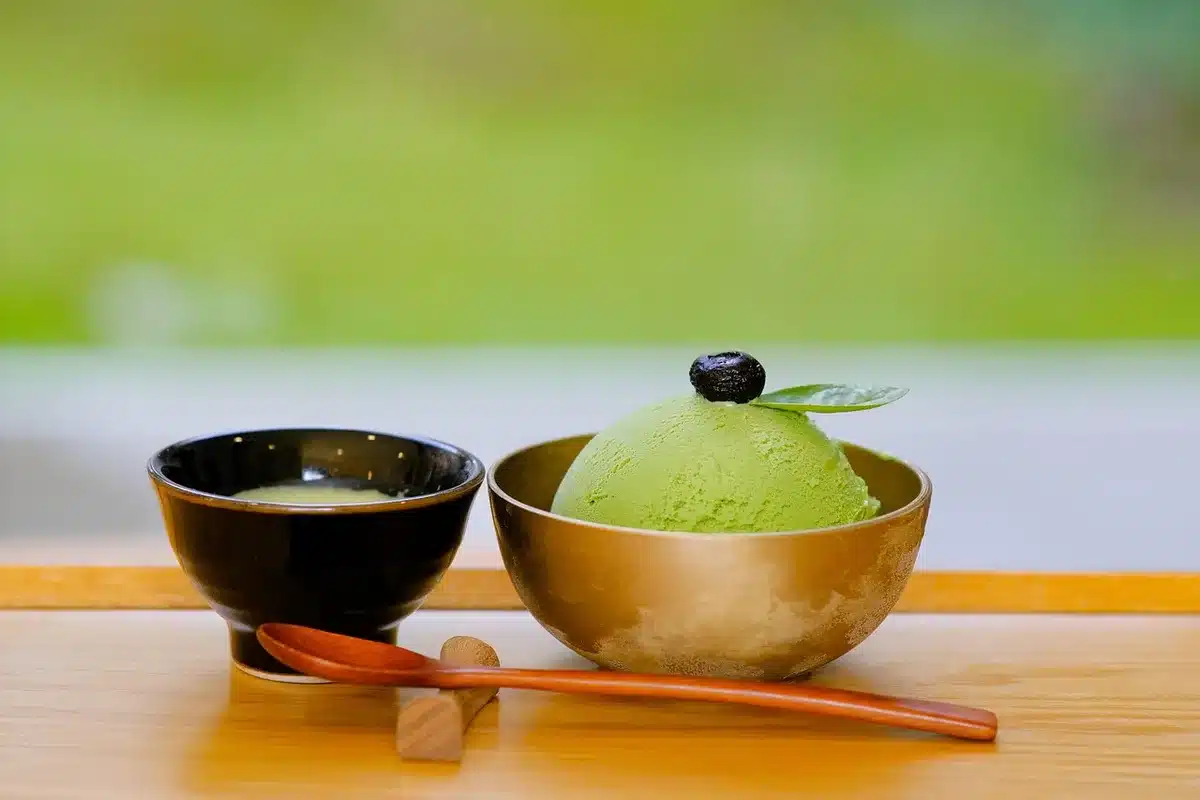
The product pairs matcha’s natural stimulant profile with L‑theanine, an amino acid often credited with smoothing caffeine’s edge — a selling point for those seeking alertness without jitteriness. It also doubles as a mixable powder for smoothies, offering flexibility beyond a standard cup.
Zest Energy & Hydration Powder
Zest sells a range of hydration and energy formulas, but its Blackberry Lemonade Energy & Hydration powder stands out for caffeine content. One single‑serve packet contains about 250 mg of natural caffeine, meant to be dissolved in a 16‑ or 32‑ounce bottle of water.
Unlike the rest of Zest’s hydration line — which focuses on electrolytes and performance ingredients — this packet is specifically designed to turn plain water into a high‑caffeine drink with minimal effort. Flavor preference will be a major factor for buyers, since the energy variant is sold in a single taste.
- Average 8 oz. cup of coffee: ~95 mg
- Bang Energy (16 oz can): ~300 mg
- HiCAF tea (per bag): ~110–140 mg
- Drippco hot chocolate (single pouch): ~150 mg
- ACTA Matcha Energy (per serving): ~170 mg
- Zest Energy packet: ~250 mg
Why this matters now: as manufacturers create beverages with concentrated caffeine, everyday habits can unintentionally push consumers past safe limits. Health authorities typically recommend keeping caffeine intake below about 400 mg per day for most adults; pregnant people and those with certain conditions should aim lower.
Signs of excessive caffeine include rapid heartbeat, trouble sleeping, anxiety, dizziness and digestive upset. If you rely on multiple high‑caffeine products in a single day — for example, a strong energy drink plus a caffeinated tea and coffee — the numbers add up quickly.
The takeaway: these drinks can be useful when you need a deliberate, larger dose of alertness, but they require attention to serving size and overall daily consumption. Read labels, consider timing (avoid late‑day doses if sleep is a priority), and factor in any personal health considerations before making them part of your routine.
Domino’s launches watermelon pizza test: TikTok creator challenges the viral recipe
Most popular beer in US: 101-year-old Mexican lager tops sales nationwide