Show summary Hide summary
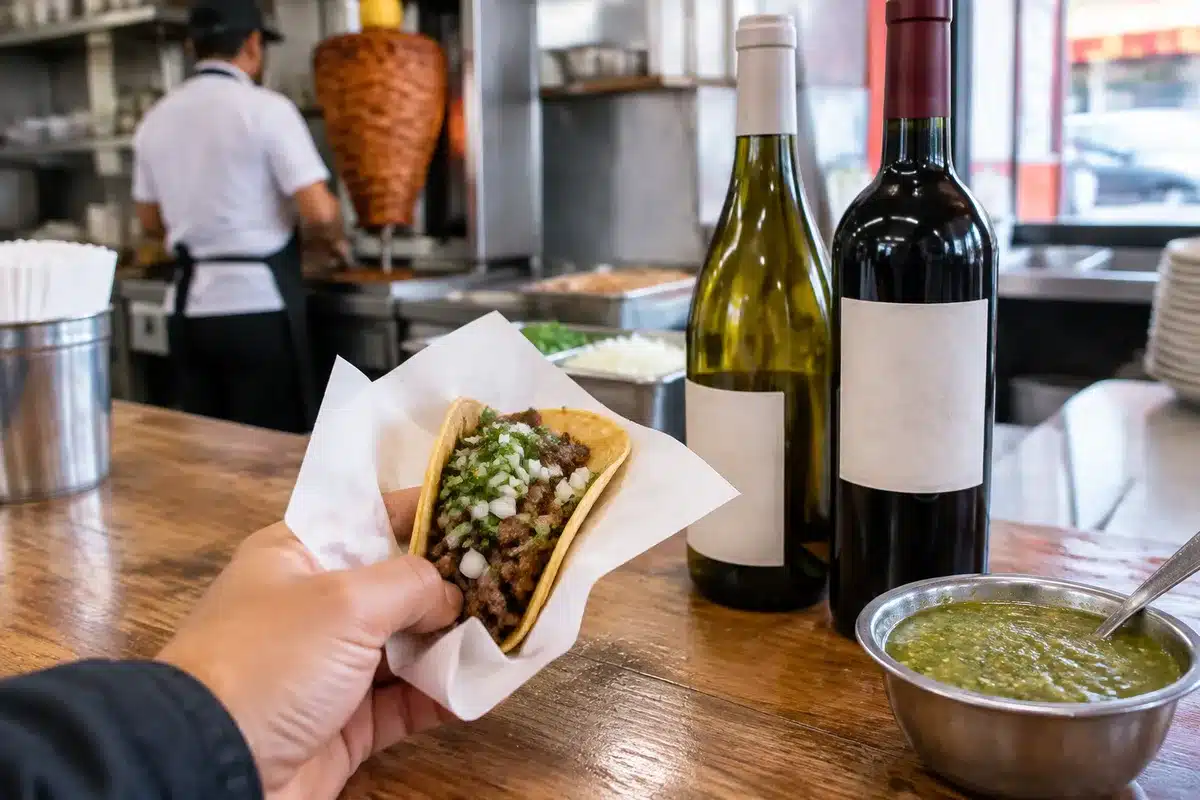
Wine is no longer a surprising companion for tacos — it can sharpen flavors and tame heat in ways a cold beer sometimes can’t. Chicago chef Geno Bahena of Manchamanteles recently mapped out how different wines interact with classic Mexican sauces and fillings, offering practical guidance for anyone looking to step up their taco nights.
Bahena’s main rule is simple: treat the sauce as the pairing priority. Green, tangy sauces tend to call for bright whites, while richer red chiles usually pair better with reds. Beyond chile color, pay attention to a wine’s acidity, body and fruit profile — these elements determine whether a bottle will balance or overwhelm the dish.
Williamsburg Italian restaurant from two sisters debuts with pasta and pizettes
thanksgiving desserts that travel well: 12 make-ahead crowd-pleasers
- Tempranillo: Carne asada, charred toppings, earthy salsas
- Malbec: Grilled beef and smoky chipotle sauces
- Grenache: Pork tacos, carnitas, salsa verde
- Zinfandel: Spicier, smoky tacos — especially with bold salsas
- Rosé: Carnitas, chicken, lighter, citrus-forward toppings
- Sauvignon blanc: Tomatillo-based sauces, seafood tacos
- Albariño: Seafood, vegetal or fruit-topped tacos (mango, squash)
- Cabernet Sauvignon: Heavily charred, premium steak tacos — choose softer styles
How to think about heat and acidity
Spice influences pairing more than many diners expect. Bahena advises selecting a wine that can stand up to the salsa’s intensity: bright, high-acid whites cut through lime, vinegar and citrus notes, while fruitier, medium-bodied reds work well when smoke and char dominate the plate.
Important caveat: sweetness isn’t a shortcut. Wines with residual sugar can feel clumsy against chile heat; a lively, fruit-forward dry wine usually offers a more balanced result than an off-dry bottle.
Tempranillo
Spain’s most planted red shows earth and red-fruit tones that pair naturally with grilled beef. For carne asada or tacos al carbón, Tempranillo’s structure complements fatty cuts and mirrors the savory, slightly smoky elements from the grill without clashing with savory salsas.
Malbec
With darker fruit flavors and firmer tannins, Malbec is suited to richly charred meats. It excels with fatty beef tacos and matches nicely with smoky chipotle sauces where the wine’s depth echoes the meat’s char.
Grenache
Grenache’s bright red-fruit character and moderate tannins make it a smart go-to for pork. The wine’s acidity helps cleanse the palate of pork fat, and its ripe fruit notes complement spicy salsas, pickled onions and cilantro-forward toppings.
Zinfandel (Primitivo)
Zinfandel brings bold, jammy berries and peppery spice — a useful counterpoint for tacos with extra heat or smoky profiles. When your salsa is robust or smoky, this wine’s fruitiness can soften the burn while matching the meat’s intensity.
Rosé
Dry rosé is versatile: its crispness lifts fatty pork like carnitas and refreshes the palate between bites. It also pairs well with lighter proteins such as chicken and works harmoniously with citrusy or herb-forward garnishes.

Sauvignon blanc
This white’s citrus and herb notes are a natural foil for tomatillo-based sauces and fresh salsas. Sauvignon blanc’s zesty acidity won’t overpower delicate seafood tacos and brings out bright elements like lime and fresh cilantro.
Albariño
Less familiar in some markets but prized in Spain and Portugal, Albariño adds salinity alongside citrus and mineral notes. That saline lift makes it particularly successful with seafood tacos, as well as vegetable or fruit-forward fillings.
Cabernet Sauvignon
Classic for steak, Cabernet can work with tacos too — but choose carefully. Opt for a softer, less aggressively tannic cabernet for heavily charred steak tacos; strong tannins will accentuate chile heat and can clash with tortillas and salsa.
Practical takeaway: match the wine to the dominant elements on the taco — chile level, smoke, and whether citrus or vinegar features prominently. Try swapping your usual beer for one of these bottles the next time you order or cook tacos; small changes in acidity and fruit profile can transform the overall experience.
Chef Geno Bahena’s approach offers a simple framework for exploring pairings at home: prioritize the sauce, respect the chile, and choose a wine whose acidity and fruit character either complements or exceeds the dish’s brightness. With that in mind, taco night becomes a low-effort laboratory for discovering new favorite wines.
Taco wine pairings: Mexican chef reveals best bottles for every taco
New Hope, Pennsylvania restaurants ranked: top spots locals are flocking to