
Show summary Hide summary
Lasagna’s layers of cheese and sauce are a comfort-food classic, but they can dominate a plate. Choosing the right salads and vegetable sides brings brightness, texture and balance—helpful whether you’re serving a family dinner or hosting friends this week.
Why a crisp side matters
Rich, baked pasta needs contrast. Vegetables add acid, crunch or caramelized depth that lightens each forkful and makes the meal more satisfying overall. That contrast also helps flavors stay distinct, so the tomato, béchamel and herbs don’t blur into a single heavy bite.
San Francisco restaurants: new openings to try in November 2026
Beef braises surge as weekend comfort: 10 hearty, saucy recipes to try
Beyond taste, a thoughtful side can change the meal’s pace: a tart salad refreshes between dense mouthfuls; a smoky roasted vegetable gives a savory counterpoint. Small choices—a squeeze of lemon, a scattering of herbs—have outsized impact.
Simple pairing principles
Keep these ideas in mind when you plan sides:
- Acidity cuts richness—think citrus, vinegar or pickled elements.
- Texture creates contrast—crisp leaves, toasted nuts or quick char on vegetables work well.
- Bitter greens (arugula, radicchio) balance the cheese’s sweetness.
- Warm and cold components together keep the plate interesting and help flavors pop.
Vegetable and salad ideas that pair reliably
Below are straightforward sides that require little extra effort but change the meal dynamic.
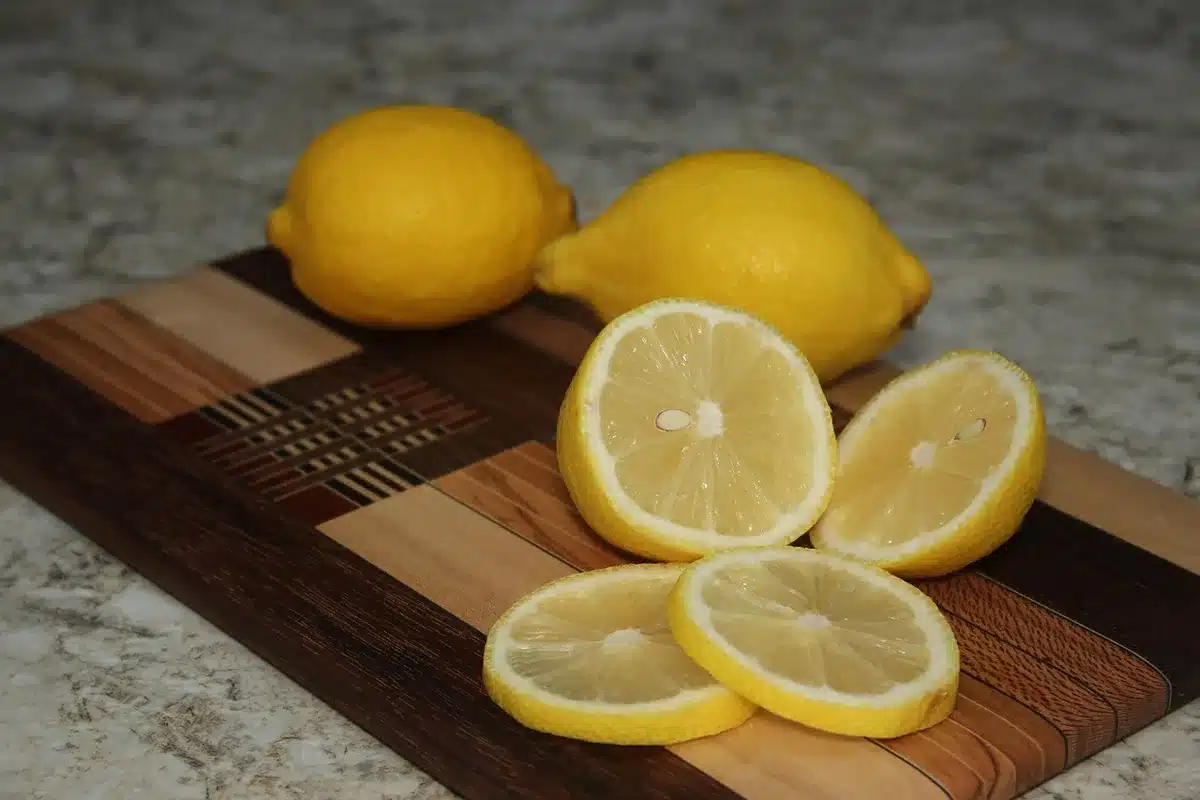
- Classic Caesar with a twist — A light, anchovy-forward dressing and crisp romaine provide a crunchy, savory foil to lasagna’s creaminess. Add a lemon wedge for a fresh finish.
- Arugula and fennel salad — Peppery arugula, thinly sliced fennel and shaved Parmesan deliver herbal lift and a pleasant anise note that cuts through heavy sauces.
- Quick pickled vegetables — Thin ribbons of red onion, cucumber or shaved carrots pickled for 30–60 minutes add sharpness and cut fat on the palate.
- Charred broccolini or broccoli — High heat caramelizes the florets and gives a smoky edge that complements baked cheese without competing.
- Roasted root vegetables — In cooler months, honey-roasted carrots or beets offer sweet, earthy contrast; finish with a splash of vinegar or orange to brighten.
- Grilled zucchini and peppers — Tossed with olive oil and herbs, they provide tender, savory notes and a Mediterranean echo that pairs well with tomato-based lasagnas.
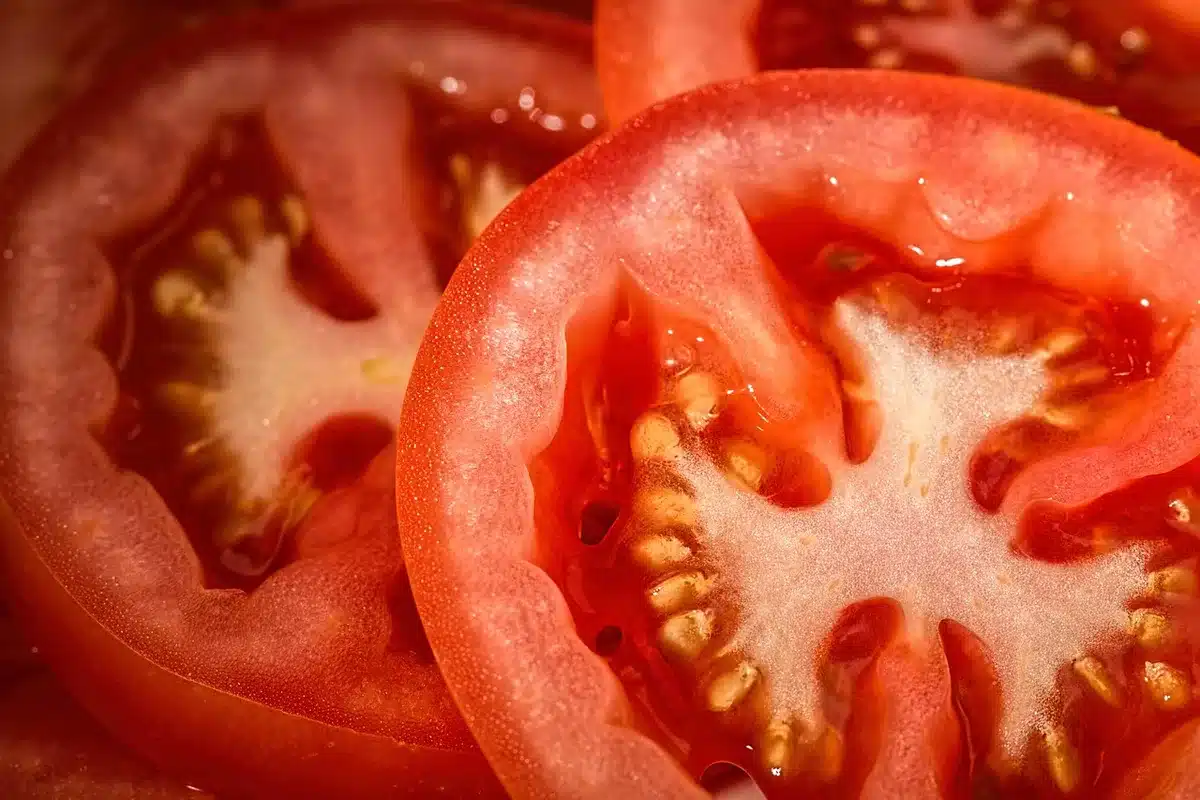
- Caprese-style salad — Ripe tomatoes, basil and a drizzle of good olive oil add freshness; use torn basil to release aroma between bites of lasagna.
Timing and small techniques
Serve dressings on the side for romaine or delicate greens so leaves stay crisp. If you roast vegetables, finish them with acid—vinegar or citrus—right before plating to wake up the sugars.
For gatherings, choose at least one cold, acidic salad and one warm, savory vegetable to cover both texture and temperature. That combination keeps plates balanced and guests coming back for seconds without feeling weighed down.
Real-world menu ideas
If you want quick combos that work together, try these pairings:
- Beef or vegetable lasagna + arugula, fennel and orange salad
- Ricotta-and-spinach lasagna + charred broccolini with lemon zest
- Tomato-heavy lasagna + Caprese-style salad and grilled zucchini
Small adjustments—lighter dressings, a handful of toasted pine nuts, or a final squeeze of lemon—change the meal from heavy to harmonious. With the right sides, lasagna remains the centerpiece without overpowering the plate.
Domino’s launches watermelon pizza test: TikTok creator challenges the viral recipe
Most popular beer in US: 101-year-old Mexican lager tops sales nationwide