Show summary Hide summary
- Why this matters now
- 1. A lasting turn toward lower alcohol
- 2. Reworking the canon — old recipes, new rules
- 3. Tastes travel — savory and East Asian influences
- 4. The RTD market matures
- 5. Guests are handing over the reins
- 6. Storytelling and local identity as a competitive edge
- 7. Farm-to-bar and culinary techniques reshape cocktail craft
In 2026, cocktail culture is quietly reshaping how Americans drink and socialize — and the shifts are meaningful for both bars and patrons. From lighter pours and global flavors to a surge in canned, ready-to-drink options, these changes reflect evolving health choices, storytelling at the bar, and new commercial realities for the beverage industry.
Why this matters now
Prince Edward Island food crawl: 3-day must-eat map for visitors
Freezer-friendly soups to stash now: meal relief for hectic weeknights
The long-term result is more choice and a different relationship to alcohol: people want memorable experiences without the aftereffects, bartenders are embracing culinary techniques, and brands are chasing convenience without sacrificing quality. For operators and drinkers alike, that alters menus, staffing, and what success looks like behind the bar.
- Low-ABV and zero-proof drinks are more prominent than ever, letting people pace themselves without missing out.
- Classic cocktails are being refreshed with novel ingredients and textures.
- Bars are incorporating global flavors—from yuzu to miso—to broaden palates.
- Ready-to-drink (RTD) cans and bottles have matured into premium, mainstream offerings.
- Menu-less and bespoke formats are returning authority to bartenders and deepening guest interaction.
- Local history and storytelling are increasingly used to differentiate drink programs.
- Farm-to-bar and culinary techniques—fermentation, fat-washing, clarification—are standard tools for many mixologists.
1. A lasting turn toward lower alcohol
Drinking patterns are shifting: surveys in 2026 show a smaller share of Americans identify as regular drinkers than in previous decades, and that has translated into demand for lighter options. Menus now often dedicate space to zero-proof cocktails, fortified aperitifs, and vermouth-forward spritzes that are built for conversation rather than intoxication.
For bars, the implication is operational as much as cultural. Stocking quality non-alcoholic ingredients and training staff to craft balanced low-ABV drinks matters as much as choosing the right spirits.
2. Reworking the canon — old recipes, new rules
Bartenders are not abandoning classics; they are interrogating them. Slight adjustments — a different bitter, an herbal rinse, a seasonal syrup — can make a familiar drink feel new without alienating customers. Some venues push the envelope more dramatically, pairing unlikely components to highlight texture and temperature.
These reinterpretations keep menus fresh and give cocktail programs room to highlight local produce, house-made liqueurs, or playful presentations that spark conversation.
3. Tastes travel — savory and East Asian influences
What used to be confined to specialized restaurants is now common behind the bar: yuzu, lychee, matcha, fermented citrus, and tryptically savory elements such as miso and sesame. Mixologists are borrowing from global pantry staples to add depth and umami to drinks.
Distillers are responding too, releasing bottles and liqueurs that make these flavors easy to deploy. The result is broader availability of global ingredients beyond a few coastal cities, and more adventurous menus in mid-size markets.
4. The RTD market matures
Pre-mixed cocktails have moved past novelty. In the U.S., spirit-based RTD sales rose dramatically in recent years — Shanken News Daily estimated sales in the tens of millions of nine-liter cases in 2025 — and craft-focused brands have elevated expectations for taste and packaging.
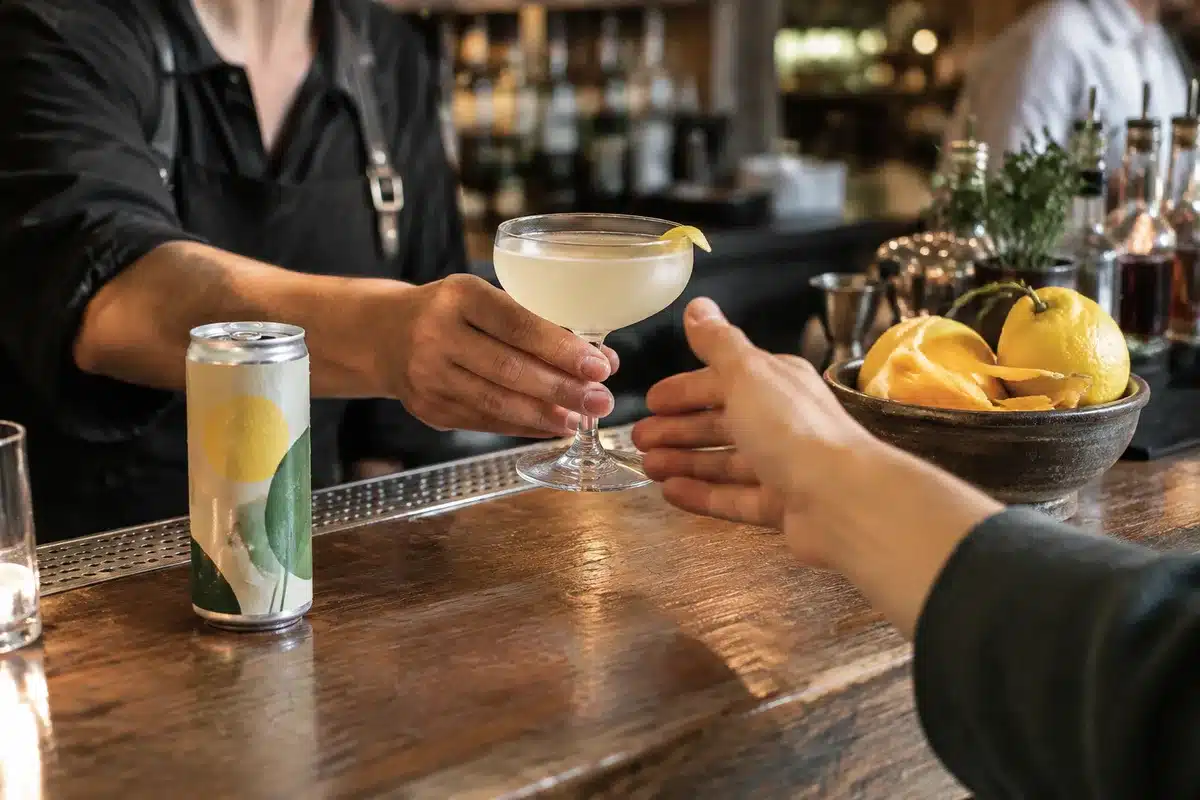
For consumers, RTDs offer portability and consistency. For bars, they are both a competitor and a complement: some establishments now stock premium canned cocktails to meet demand for grab-and-go quality.
5. Guests are handing over the reins
There’s renewed appetite for the unpredictable. At menu-less bars or spots that emphasize bartender creativity, patrons describe preferences and leave the rest to the craftsperson behind the rail. That shift enhances the social theater of drinking and puts trust in the bartender’s skills.
When done well, the exchange builds loyalty: a memorable bespoke drink can be more valuable than a staple off a printed list.
6. Storytelling and local identity as a competitive edge
Drinks tied to place, memory, or cultural touchstones stick with guests. Operators are framing cocktails around personal narratives, neighborhood history, or seasonal rituals to create emotional resonance.
During major local events or sports runs, bars that align offerings and atmospheres to community moments can turn casual customers into regulars — reinforcing the bar as a gathering place, not just a dispensary of drinks.
7. Farm-to-bar and culinary techniques reshape cocktail craft
The same techniques transforming restaurant menus are now standard at progressive bars: preservation, fermentation, milk clarification, and fat-washing extend flavors and reduce waste. Teams work with local growers and chefs to repurpose peels, herbs, and surplus produce into syrups, infusions, and house liqueurs.
This approach raises both quality and costs, but it gives bars a distinctive point of difference—and a story to tell about sustainability and seasonality.
What should drinkers expect next? More nuanced choices and richer bar experiences: lighter formulas alongside complex culinary cocktails, wider availability of global ingredients, and canned cocktails that mirror bar-quality profiles. For industry professionals, adapting means rethinking inventory, training staff, and balancing the economics of craft with consumers’ appetite for convenience.
In short, 2026’s cocktail scene is less about extremes and more about intention — a trend that reshapes nights out, supply chains, and how we remember an evening.
Krispy Kreme free dozen doughnuts: score yours on World Gratitude Day
Cocktail trends 2026: 7 shifts that will change what you order this year