Show summary Hide summary
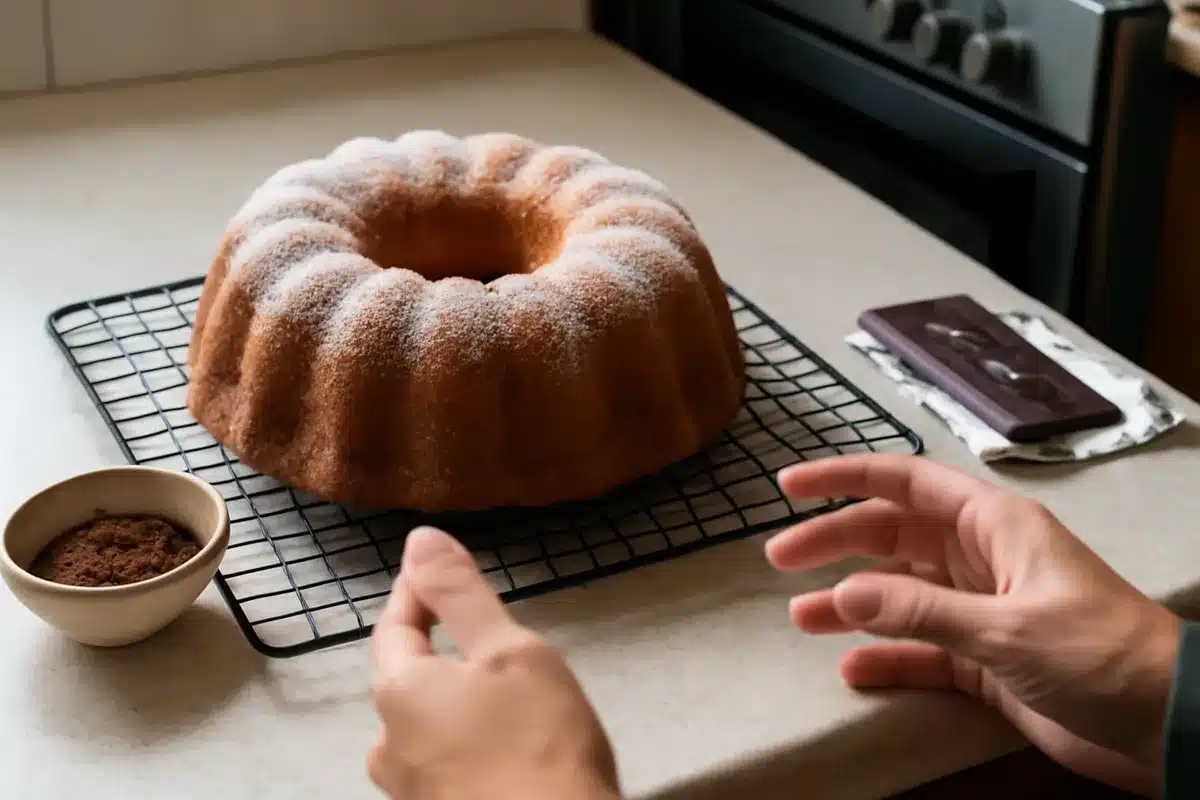
Many home bakers and pastry chefs add coffee to chocolate cakes and brownies to sharpen flavor — but if you’re monitoring caffeine for health, pregnancy, children, or pets, the question is practical: does baking strip out the caffeine? The short answer: most of it stays put, so what you add to the batter will largely determine the final caffeine content.
Why heat doesn’t remove caffeine
Caffeine is a stable, non-volatile compound. While high heat breaks down delicate aroma molecules, it does not easily evaporate or decompose at typical oven temperatures. That means the caffeine originally present in brewed coffee, espresso, cocoa powder or chocolate largely remains in the finished baked good.
Caramel, butterscotch, toffee: how their differences affect your desserts
McDonald’s rebrands Twitter to honor Bubba Wallace after his first NASCAR Cup win

Water and other volatiles evaporate during baking, concentrating solids — including caffeine — in the final slice. So even if some liquid is lost, the amount of caffeine per serving often remains significant unless you deliberately use a low‑ or no‑caffeine ingredient from the start.
What determines how much caffeine your dessert contains
Several practical factors influence the final caffeine level:

- Ingredient source: brewed coffee and espresso are the biggest contributors. Cocoa and dark chocolate add measurable but generally lower amounts.
- Quantity: the more coffee or high‑percent chocolate you add, the higher the caffeine per serving.
- Serving size: smaller portions cut intake proportionally.
- Processing: some chocolate products (and decaffeinated coffees) are processed to reduce caffeine; always check labels.
| Ingredient | Typical contribution | Notes |
|---|---|---|
| Espresso / strong brewed coffee | High | Primary driver of caffeine in coffee‑based chocolate desserts |
| Dark chocolate (high % cocoa) | Medium | Higher cocoa percent → more caffeine and theobromine |
| Cocoa powder | Medium | Concentrated source from the bean; varies by product |
| Milk chocolate | Low | Lower cocoa solids, therefore lower caffeine |
Because commercial recipes and home variations differ so widely, it’s difficult to give a precise milligram figure without testing. A reliable approach is to examine product nutrition labels (some list caffeine) or substitute decaffeinated ingredients when precision matters.
Practical steps if you want less caffeine
- Use decaffeinated coffee or espresso in the batter — flavor depth remains, caffeine drops dramatically.
- Swap part or all of the coffee for coffee extract or instant flavorings labeled decaf; check labels for residual caffeine.
- Choose lower‑cocoa chocolates or white chocolate to reduce cocoa‑derived caffeine.
- Consider carob powder as a cocoa substitute when you need a naturally caffeine‑free chocolate note.
Finally, remember special populations: children, pregnant people, and pets are more sensitive to stimulants. Chocolate contains other compounds (like theobromine) that can be harmful to dogs and cats even in small amounts, so recipes intended for households with pets should avoid chocolate entirely.
In short, baking won’t magically neutralize caffeine. If limiting stimulant intake matters, control the ingredients before the oven does the rest.
Irish whiskey: approachable bottles new drinkers should try today
Fishtown restaurants ranked: must-visit spots locals are raving about