Show summary Hide summary
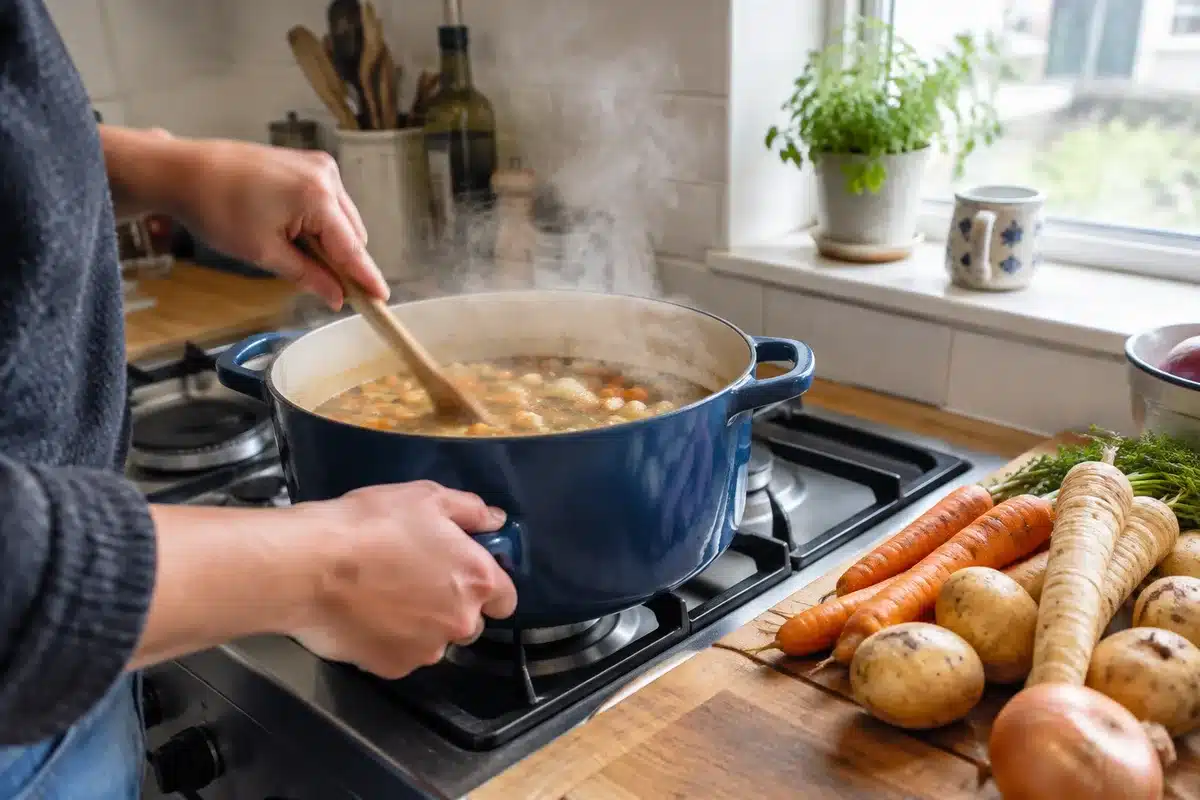
As daylight shortens and the calendar leans into colder months, a single pot on the stove becomes a practical ritual: slow, steady cooking that turns modest ingredients into something sustaining. These long-simmered dishes reward patience with deep flavors, leftovers that stretch a grocery budget, and an easy excuse to stay in and cook.
Why simmered, braised dishes matter this season
Slow-cooked meals fit the rhythm of cooler weather: they warm the house, require little hands-on time, and transform tougher cuts and winter produce into rich, comforting plates. For many households, they also offer better value per serving than repeated takeout or single-use meals.

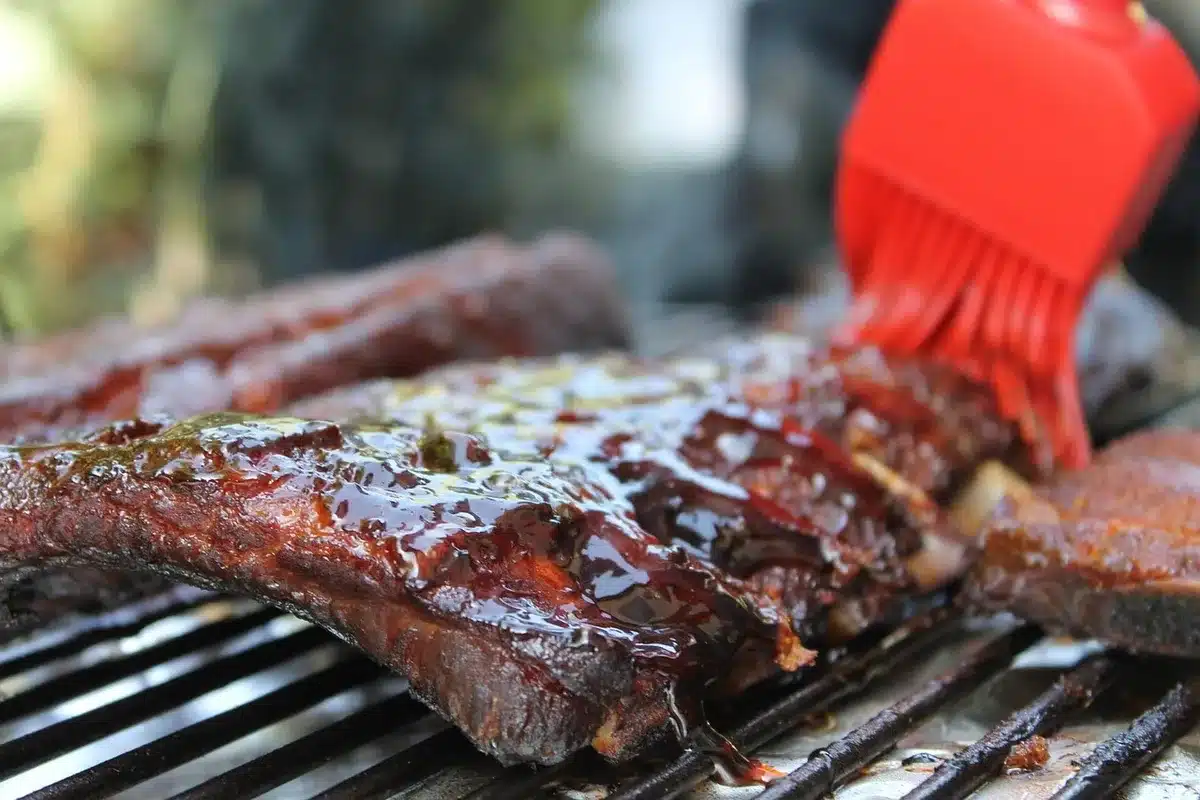
Beyond economics, there’s a sensory payoff. The extended cooking time breaks down collagen and concentrates aromatics, creating a mouthfeel and depth that quick sautéing can’t match. That difference is particularly evident in recipes like red wine-braised short ribs, where low heat turns sinew and bone into silk.
San Francisco restaurants: new openings to try in November 2026
Beef braises surge as weekend comfort: 10 hearty, saucy recipes to try
Practical advantages for home cooks
These recipes are forgiving. You can start a braise mid-afternoon and come back to a finished dish by dinner, or cook overnight in a slow cooker so the meal is ready the moment you wake. Leftovers often taste better the next day, making them ideal for meal planning.
- Braising stretches inexpensive cuts—chuck, shank, and short ribs—into restaurant-level meals.
- Root vegetables and hardy greens hold up to long cooking without becoming mushy.
- Batch-cooked stews freeze well, offering quick weeknight options later on.
Recipes worth trying (and a quick reference)
| Dish | Main ingredient | Approx. cook time | Skill level |
|---|---|---|---|
| Red wine-braised short ribs | Beef short ribs | 2.5–3.5 hours | Intermediate |
| Coq au vin–style chicken | Bone-in chicken | 1.5–2 hours | Easy–Intermediate |
| Slow lamb shank | Lamb shank | 2.5–4 hours | Intermediate |
| Vegetable and bean stew | Seasonal root vegetables, beans | 1–2 hours | Easy |
| Classic chili | Ground beef or turkey | 1.5–3 hours | Easy |
Key techniques to improve results
Braised dishes are straightforward, but a few small steps make a big difference. Start by searing meat until deeply browned—those fond bits are flavor gold. Deglaze the pan with wine, stock, or even beer to dissolve those browned bits into the sauce.
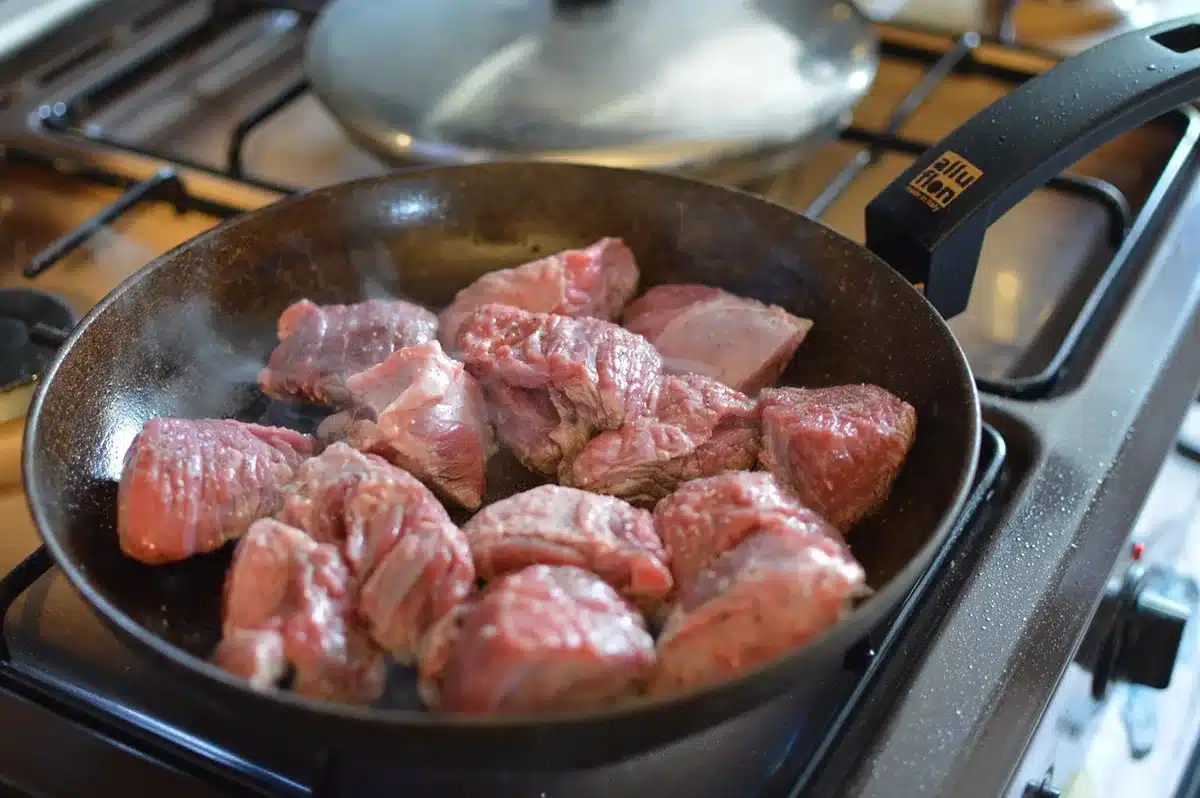
Timing matters for vegetables. Add hearty root vegetables early so they soften and pick up sauce; reserve quick-cooking items like peas or spinach until the last 10–15 minutes to preserve texture and color.
- Brown meat in batches to avoid steaming.
- Use an acid (tomato, wine, or a splash of vinegar) to brighten rich sauces.
- Simmer gently—vigorous boiling toughens protein and evaporates liquid too fast.
- Let the dish rest off-heat for 10–20 minutes before serving to allow flavors to settle.
- Portion and freeze extras in meal-sized containers; most braises freeze and reheat very well.
Pairings and serving ideas
Heavier braises suit simple sides: mashed potatoes, buttered noodles, or crusty bread that can sop up juices. For vegetable balance, roast Brussels sprouts or a crisp green salad add contrast.
The right beverage depends on the protein and sauce: rustic red wines work with bold beef or lamb braises, while lighter reds or fuller whites pair nicely with chicken or mushroom-forward stews.
These dishes also serve social needs: a large pot feeds a family or small gathering with minimal last-minute effort, freeing hosts to spend time with guests rather than in the kitchen.
In short, low-and-slow cooking is both practical and gratifying this season. Whether you try a classic braise like short ribs or a vegetarian stew studded with winter squash and beans, the payoff is steady: more flavor, less fuss, and meals that keep on giving.
Domino’s launches watermelon pizza test: TikTok creator challenges the viral recipe
Most popular beer in US: 101-year-old Mexican lager tops sales nationwide