Show summary Hide summary
San Francisco’s dining scene has fresh momentum this November: a wave of openings — from a plant-forward neighborhood bistro to a bold Filipino tasting menu — is already reshaping where locals and visitors should book tables for the holidays. These new spots matter now because many are small, reservation-only, and filling fast for end-of-year gatherings.
- Quick picks: For a celebratory night, try Solstice Room; for casual neighborhood dining, head to Juniper & Co.; for adventurous tasting menus, book a seat at Tala.
| Restaurant | Neighborhood | Cuisine & concept | Price range | Why go |
|---|---|---|---|---|
| Solstice Room | North Beach | Contemporary American tasting, seasonal produce | $$$ (tasting menus $95–$140) | Intimate counter service, polished plating, good for celebrations |
| Juniper & Co. | Inner Sunset | Neighborhood bistro, wood-fired dishes | $$ | Laid-back atmosphere, large-format plates for groups |
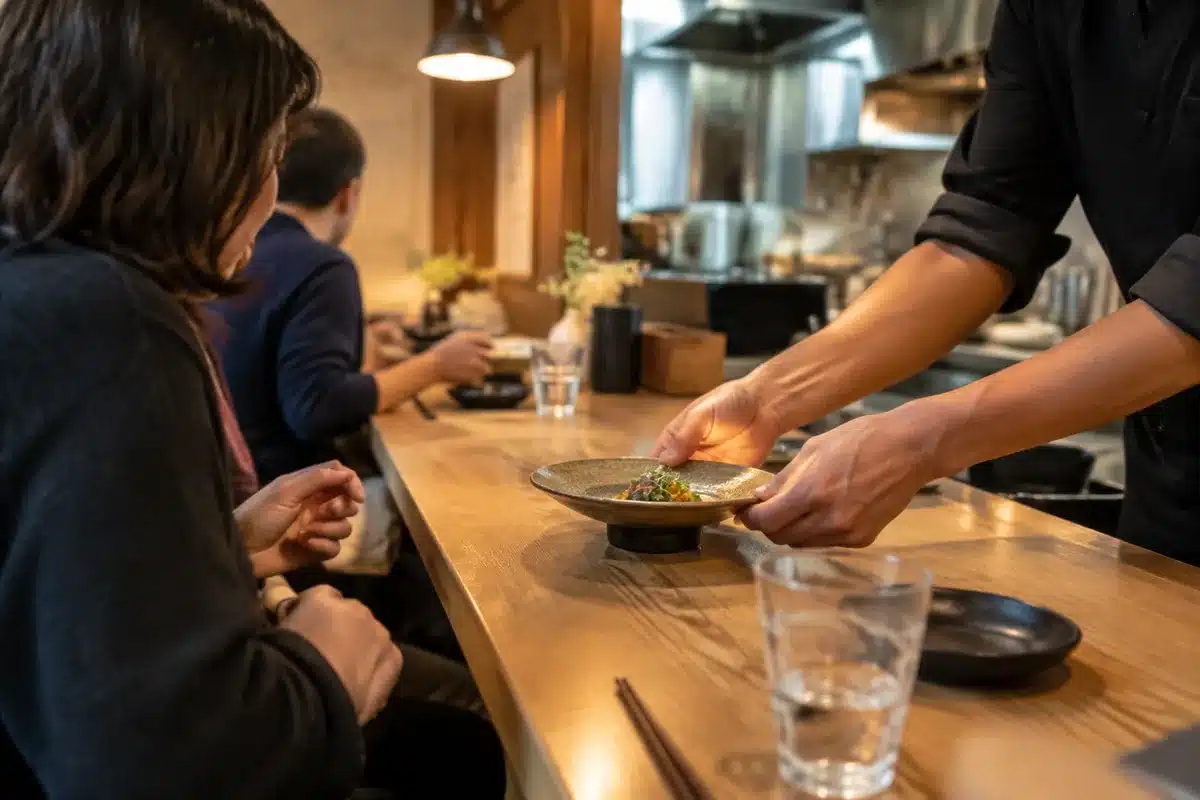
| Tala | Mission | Modern Filipino tasting menu | $$$ (tasting $85–$120) | Inventive flavors, small tasting counter, limited nightly seating |
| Blue Anchor | Fisherman’s Wharf | Seafood-forward, sustainable sourcing | $$–$$$ | Quiet sister spot to larger waterfront venues, fresh daily fish |
| Garden Loft | SOMA | Plant-forward tasting menu, natural wine focus | $$$ | Stylish, airy interior with an emphasis on vegetables |
| Bar Sano | Castro | Italian small plates, elevated cocktails | $$ | Strong aperitivo program and approachable pastas |
| Caldera Grill | Bernal Heights | Latin American wood-fire cooking | $$ | Rustic, family-style plates and a neighborhood feel |
| Lotus Tear | Richmond | Contemporary Chinese, dim sum-forward brunch | $$ | Weekend brunch draws and a concise dinner menu |
Standout details readers should know
Several of these openings debuted in late fall 2026 and already show distinct patterns: small dining rooms, limited nightly seatings, and menu formats built for experience rather than speed. That combination means many will require advance planning if you want a weekend table between now and New Year’s Eve.
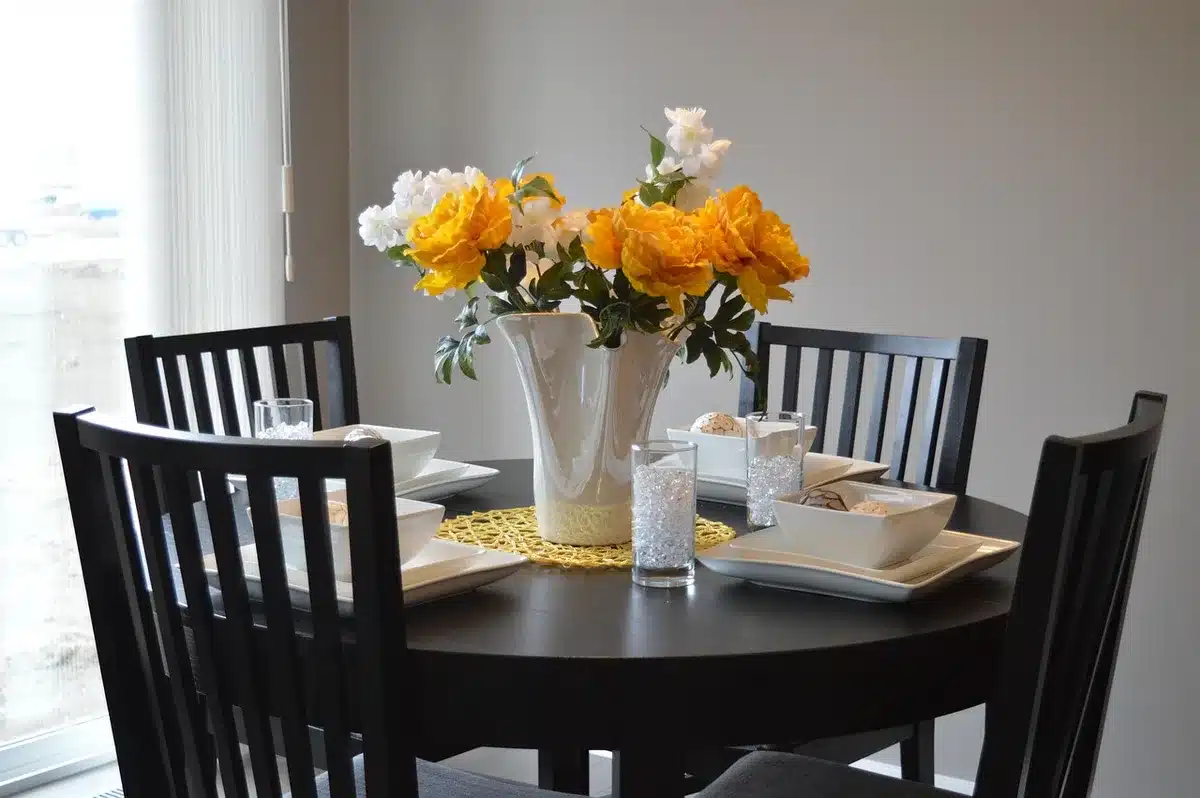
Reservation strategy: If a restaurant lists only a tasting counter or a set number of seats per night, check for released walk-up slots on weekdays and join waitlists early. Many kitchens hold a handful of spots for same-day diners.
What each place brings to the map
Solstice Room delivers a refined multi-course sequence that highlights Bay Area producers. The room is small and the service deliberate; this is a dinner for conversation, not a quick meal. Prices place it among mid-to-high-end tasting rooms, but guests note the focus on seasonal ingredients as a differentiator.
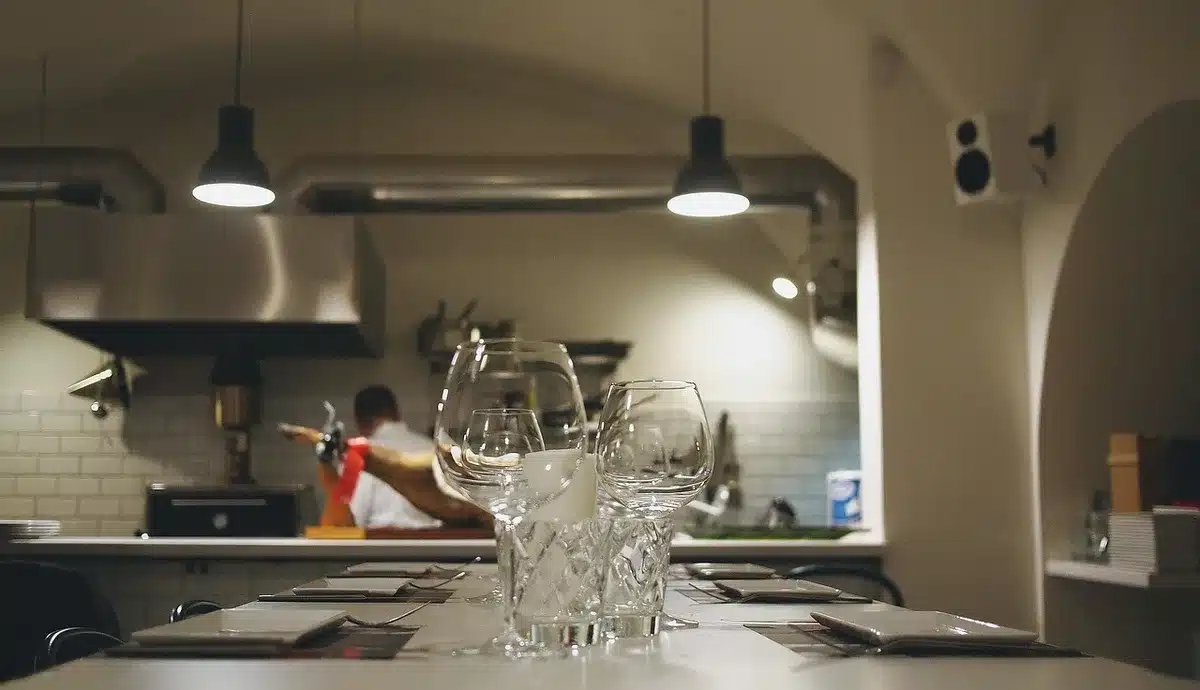
Juniper & Co. occupies a relaxed corner near Golden Gate Park, leaning into communal plates cooked over a wood-fired oven. It’s the sort of comfortable, slightly boisterous place that suits families and informal celebrations. Expect a short wine list and inventive cocktails.
Tala stands out for its reinterpretation of Filipino flavors across a tightly choreographed tasting menu. The kitchen emphasizes snap-to-table timing and ingredients that change weekly. For adventurous eaters, this is the most conversation-starting meal on the list.
Neighborhood anchors and accessibility
Places like Garden Loft and Bar Sano try to marry a neighborhood presence with more ambitious programs: Garden Loft through a strong vegetable-driven menu and natural wines; Bar Sano through approachable Italian plates and an extensive cocktail menu. These spots feel less like destinations and more like new local favorites in the making.
Caldera Grill and Blue Anchor both widen the city’s take on wood-fire and seafood cooking, respectively. Blue Anchor’s focus on sustainable sourcing aims to attract diners who prioritize provenance, while Caldera’s family-style sharing model works for groups and holiday parties.
Practical tips before you go
- Confirm whether menus are fixed or à la carte; tasting rooms often require full-group buys.
- Check transit and parking — several openings are in compact neighborhoods with limited street parking.
- For dietary needs, contact the restaurant in advance: many kitchens can accommodate allergies but need notice.
- Look for weekday service — new restaurants often release more tables Monday–Thursday.
With the holidays approaching, these openings are worth watching: they reveal where San Francisco’s dining priorities are shifting — toward smaller, experience-driven meals and restaurants that balance neighborhood warmth with a more curated culinary voice. Book early, and expect a mix of familiar comforts and new directions at the city’s newest tables.
Domino’s launches watermelon pizza test: TikTok creator challenges the viral recipe
Most popular beer in US: 101-year-old Mexican lager tops sales nationwide