Show summary Hide summary
As retro brands and ingredient debates drive renewed interest in pantry artifacts, a handful of once-ubiquitous milk mix-ins are getting a second look. These syrups, powders and pellets were born out of a fight to keep Americans drinking milk—an industry response to shifting tastes that still echoes in today’s conversations about nostalgia, nutrition, and marketing.
Mid-century consumption patterns show the scale of that challenge: Americans once favored milk far more heavily than soft drinks, but by the 1970s the two categories were roughly neck-and-neck, and by the 1990s soda consumption had surged while milk slipped significantly. To try to reverse that slide, companies rolled out sweeteners, flavorings and instant mixes designed to make milk more appealing—many became cultural touchstones before fading away.
San Francisco restaurants: new openings to try in November 2026
Beef braises surge as weekend comfort: 10 hearty, saucy recipes to try
- Milk Mate — 1970s chocolate syrup in a squeeze bottle; prized for dissolving cleanly into milk.
- Bosco — A long-standing chocolate syrup brand once embedded in pop culture; later lost market share to bigger advertisers.
- Carnation Instant Breakfast — Powdered, shelf-stable breakfast mix tied to larger shifts at its parent company and changing attitudes about sugary breakfast products.
- P.D.Q. — “Pretty Darn Quick” flavor pellets that dissolved instantly; noted for novelty lids and an unexpected eggnog fan base.
- Cocoa Marsh — A wartime confectionery pivot that advertised heavily to children and used a lion mascot.
- Milk Magic — A powdered additive bundled with kids’ frozen dinners; remembered more for the experience than the nutrition.
- Moo Juice — Pillsbury’s powdered shake mix that promised an at-home milkshake but was criticized for thin texture.
Milk Mate
Introduced in the 1970s, Milk Mate stood out because it came in a squeezable bottle and was marketed as a chocolate syrup that dissolved quickly into cold milk. Consumers who recall it today often compare its texture and convenience favorably to thicker competitors.
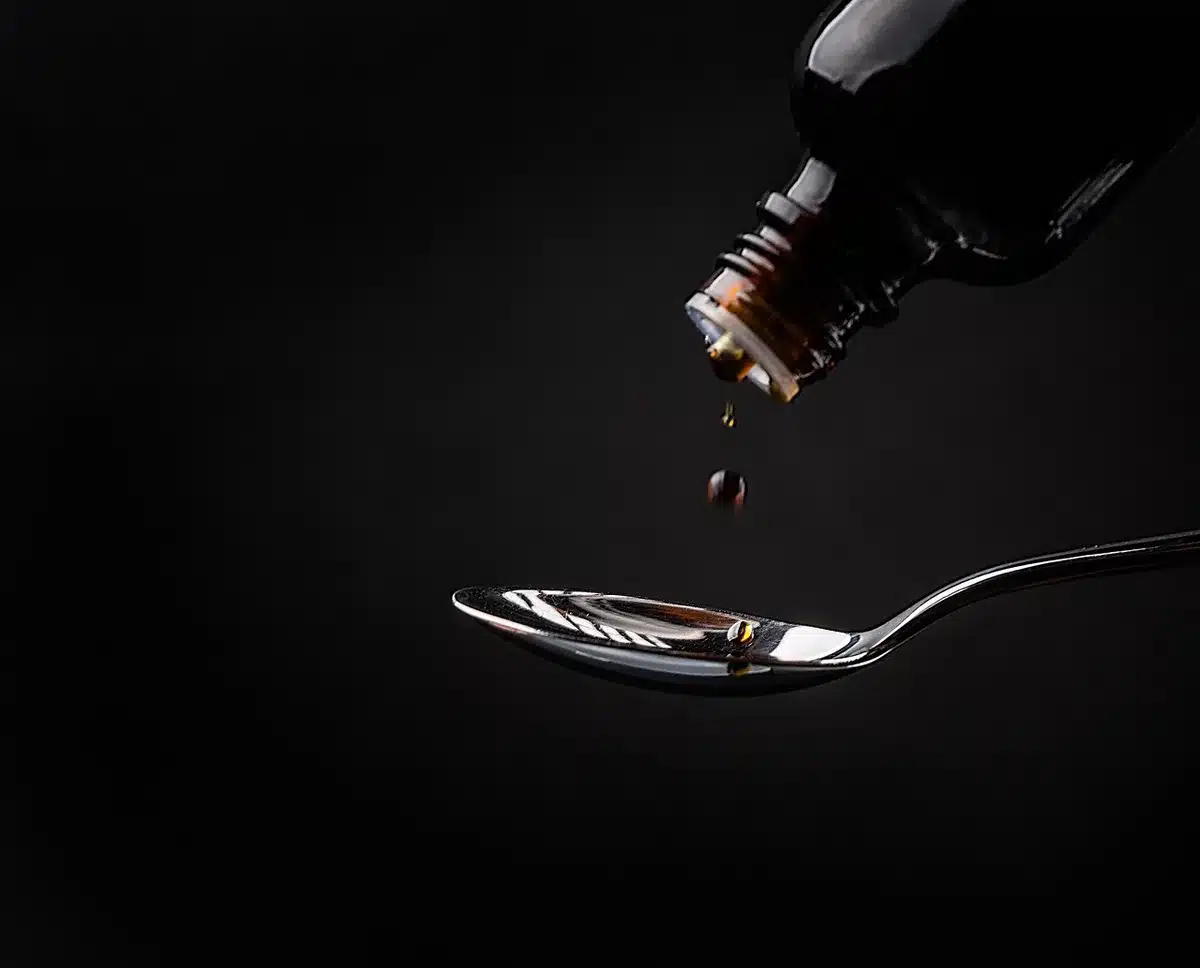
Manufacturers of chocolate syrups have long wrestled with consistency: syrups that are initially pourable can thicken over time, leaving residue in the glass. Early 20th-century patents tackled that problem by altering processing methods and using enzymes or heat treatments to keep syrups shelf-stable and fluid—a technical legacy that helped products like Milk Mate reach kitchen counters across the country.
Bosco
Bosco traces its roots to the late 1920s and by mid-century had become a recognizable name, referenced in sitcoms and even used as a film prop because its dark, viscous look read well on black-and-white screens. That kind of cultural visibility helped build loyalty.
But branding and advertising budgets matter. By the 1990s Bosco’s sales had dwindled, and the company’s limited marketing spend left it vulnerable to larger competitors. Some longtime fans also pointed to formula changes—removing familiar ingredients like malt or vanilla—as a reason for declining enthusiasm.
Carnation Instant Breakfast
For decades this powdered breakfast mix promised a quick, nutrient-packed start to the day. Its marketing at the height of popularity touted protein and energy comparisons that regulators later questioned, and the brand was asked to drop certain claims.
Over time, corporate consolidation and changing consumer preferences—toward both fresher breakfasts and cleaner labels—dented the product’s prominence. The line was rebranded and retreated from some markets, though it remains part of the era’s culinary memory for many who grew up with its crunchy, sugary bits at the bottom of the glass.
P.D.Q.
P.D.Q., short for “Pretty Darn Quick,” offered small, instant-dissolving flavor pellets in flavors such as chocolate, strawberry and eggnog. The pellets were made by an agglomeration process similar to instant coffee: the ingredients are liquefied, formed and dried so they break apart on contact with liquid.

Launching in the late 1960s and continuing into the early 1990s, P.D.Q. cultivated a niche following—collectible lids, comic-book tie-ins and a fondness for the eggnog variant among fans.
Cocoa Marsh
Born from a company that supplied chocolate rations during World War II, Cocoa Marsh was billed as a way to “boost” milk—advertised heavily to children in urban markets from the 1950s onward. A cartoon lion and the slogan “Be Strong as a Lion” were central to its branding.
Despite its name and creamy texture, preserved ingredient lists show it contained no marshmallow; instead, standard sweeteners and cocoa created its flavor profile. Competition and changing tastes eventually pushed Cocoa Marsh off shelves by the 1980s.
Milk Magic
Unlike the retail syrups, Milk Magic was included as a novelty packet with Libbyland frozen TV dinners aimed at children. The frozen trays came with pop-up art and a packet meant to make plain milk sweet and playful during mealtime.
Surviving examples of the product reveal a simple formulation—sugars, artificial flavor and coloring—and a marketing focus on entertainment rather than nutrition. In today’s wellness-minded market, that combination helps explain why such items largely vanished.
Moo Juice
Pillsbury’s Moo Juice arrived in single-use sachets much like powdered drink mixes, promising a quick, shake-up milkshake at home. Advertising leaned into fun and convenience, though some consumers found the finished drink too thin and were advised to add ice cream for a thicker texture.
Ingredient lists from surviving packets highlight stabilizers such as carageenan, a seaweed-derived thickener that became common in mid-century food manufacturing. Debates about such additives and a growing emphasis on whole foods have since reshaped consumer expectations.
Why this matters now: the story of these mix-ins is more than nostalgia. It illuminates how the food industry has historically tried to steer consumer behavior—through product innovation, packaging, mascots and advertising—and how shifting health priorities, marketing power, and ingredient scrutiny can erase even once-cherished brands. As retro trends and limited-edition revivals gain traction, some of these flavors might return in updated forms, but any comeback would have to align with modern tastes and transparency around ingredients.
Key takeaways:
- These products were tactical responses to a long-term decline in milk consumption.
- Marketing muscle and brand investment often determined which items endured.
- Ingredient and nutrition expectations have changed substantially since the 1960s–1980s.
- Nostalgia may prompt revivals, but any relaunch must meet contemporary demands for cleaner labels and clearer claims.
Domino’s launches watermelon pizza test: TikTok creator challenges the viral recipe
Most popular beer in US: 101-year-old Mexican lager tops sales nationwide