Show summary Hide summary
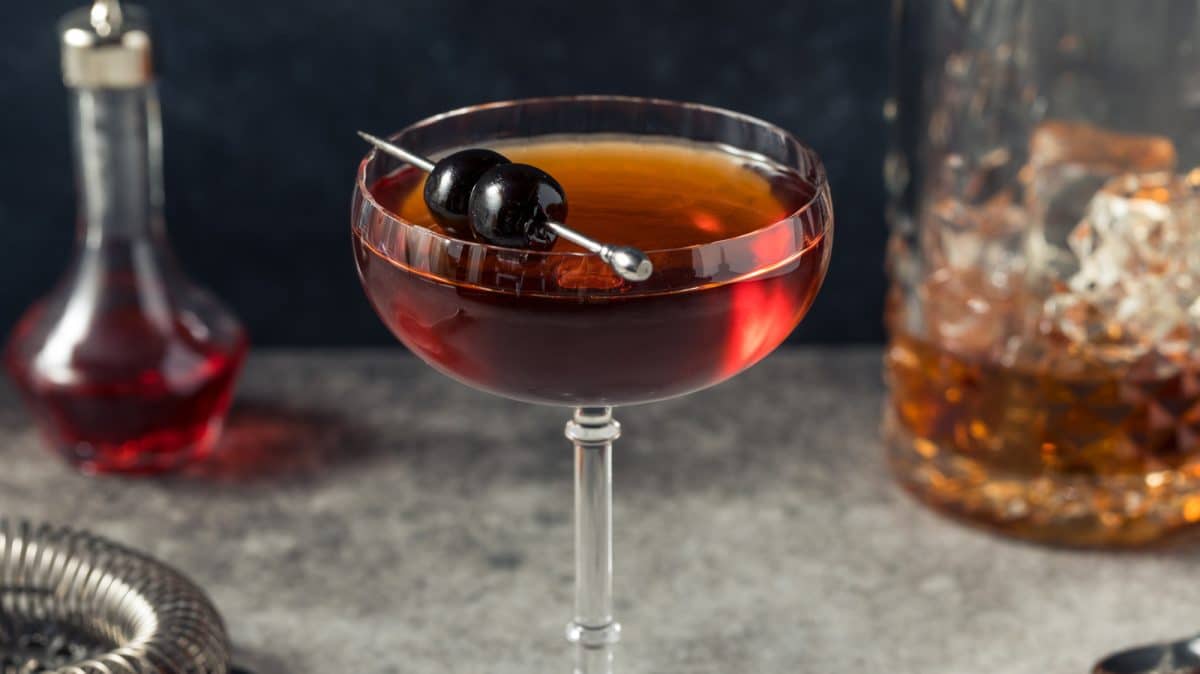
A Manhattan is a study in restraint: two parts whiskey, one part vermouth, a few dashes of bitters — and suddenly a small change can reshape the whole drink. Bartenders now say the overlooked ingredient, sweet vermouth, often determines whether your Manhattan sings or fades into the background.
Why the vermouth you choose matters today
With renewed interest in classic cocktails and better bottles available at mainstream retailers, home drinkers and bar pros alike are rethinking the vermouth bottle on their shelf. In spirit-forward cocktails such as the Manhattan, vermouth does more than sweeten: it adds aromatics, bitterness and texture that interact directly with the whiskey.
Caramel, butterscotch, toffee: how their differences affect your desserts
McDonald’s rebrands Twitter to honor Bubba Wallace after his first NASCAR Cup win
That’s the practical takeaway from Molly Horn, chief mixologist and spirits educator at Total Wine & More, who recommends leaning toward vermouths with more complexity when pairing them with bolder, peppery whiskeys. A small swap—one vermouth for another—can bring forward new spice, citrus or pastry notes in the finished cocktail.
What “di Torino” means for flavor
The label di Torino denotes a geographic quality mark tied to Piedmont, Italy, and it comes with technical requirements: wormwood must be sourced from Piemonte and a large majority of the base wine must be Italian. The result is a style often richer and more aromatic than generic sweet vermouths, with layered fruit, spice and slightly bitter undertones.
In practice, a di Torino-style vermouth can stand up to a rye or high-rye bourbon’s assertive spice, while lighter vermouths pair more naturally with soft, sweeter bourbons.
Bartender-recommended bottles to try
- Carpano Antica — A classic di Torino-style option known for deep vanilla and baking-spice notes; a favorite among professional mixologists.
- Grassotti Vermouth di Torino Rosso — Another di Torino expression with herbal complexity that balances peppery whiskeys.
- Cucielo Vermouth di Torino Rosso — Good value for di Torino character; approachable on price while delivering layered aromatics.
- Pio Cesare Rosso Vermouth di Torino — A more premium pour with a refined bittersweet profile that elevates a Manhattan into something more aromatic.
- Dolin Rouge — A lighter style recommended when using soft bourbons like Maker’s Mark; offers delicate fruit and floral notes.
These bottles span styles and budgets, so you can experiment without breaking the bank. Prices vary by retailer and region, but di Torino options are increasingly accessible through national liquor sellers.
Practical pairing tips
If you favor a spicy rye or a high-rye bourbon, choose a vermouth with enough backbone to match it—think roasted spice, bitters and concentrated fruit. If your base spirit is mellow and sweet, opt for a gentler vermouth that won’t overwhelm the whiskey’s nuance.
And a reminder that matters for taste and longevity: once opened, vermouth should be refrigerated to slow oxidation and preserve its aromatic profile. Treat it more like wine than a spirit.
Small changes, big difference
When assembling a Manhattan, it helps to treat the cocktail as an ingredient pairing exercise rather than a fixed recipe. Swap one vermouth at a time, note the change in spice or sweetness, and garnish thoughtfully—classic options like a Luxardo cherry remain effective for balancing richness.
Whether you’re restocking a home bar or refining a go-to recipe, paying attention to vermouth style and provenance is an easy way to lift a simple cocktail into something more memorable. Try one new bottle this week and you may find the Manhattan you thought you knew has a new voice.
Irish whiskey: approachable bottles new drinkers should try today
Fishtown restaurants ranked: must-visit spots locals are raving about