Show summary Hide summary
Rolling blackouts across South Africa are deepening a business crisis that is now hitting everyday food supplies and heightening political pressure on the government. The most recent outages have forced fast-food outlets to close, disrupted poultry processing and prompted renewed scrutiny of the state utility charged with keeping the lights on.
The interruptions, commonly known locally as load shedding, are lasting several hours a day in many urban areas, leaving manufacturers, restaurants and households scrambling for backups and costing the economy in lost output.
Restaurants, processors feel the immediate pain
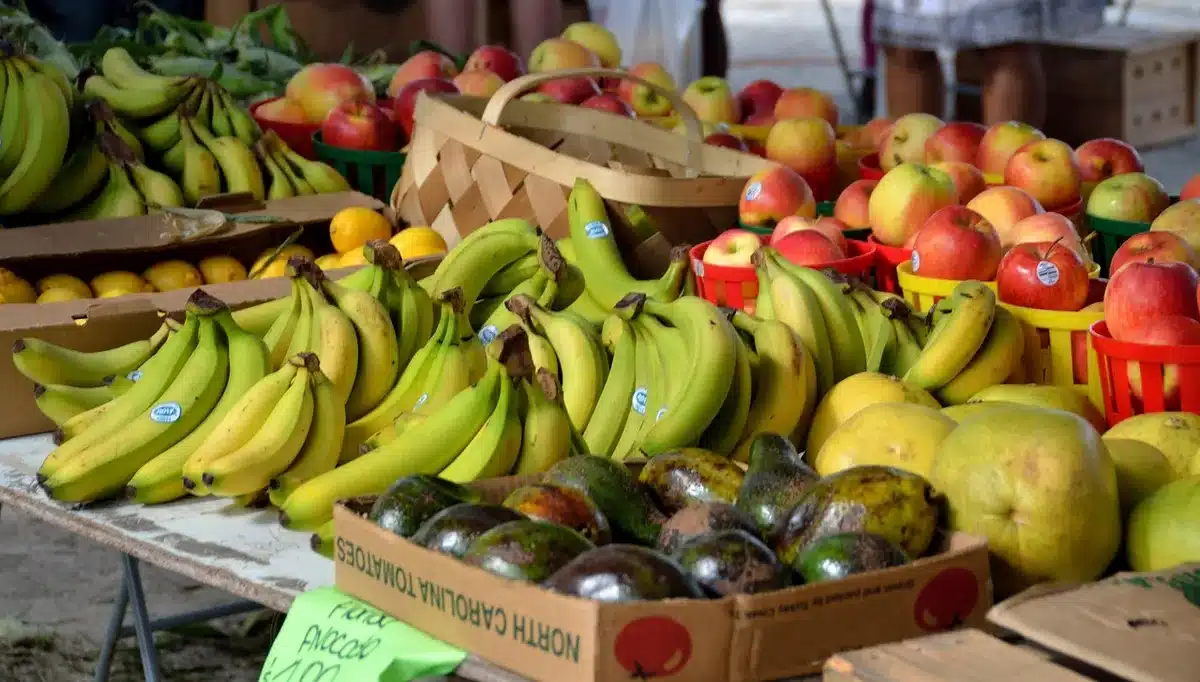
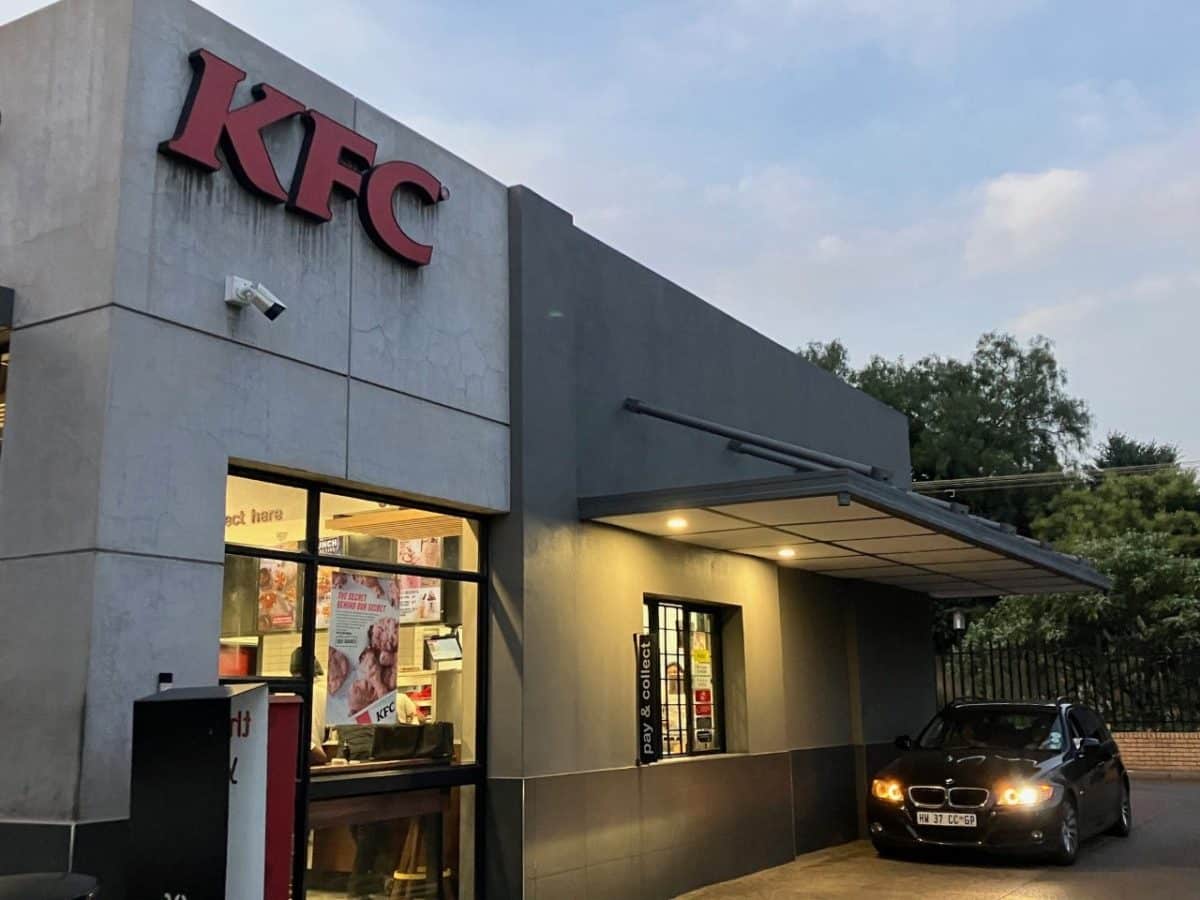
Industry groups say disruptions in electricity have forced temporary closures and inventory losses. The South African Poultry Association reported that dozens of quick-service outlets were shut for a period and that large numbers of birds had to be culled because refrigeration and processing lines were knocked offline.
Caramel, butterscotch, toffee: how their differences affect your desserts
McDonald’s rebrands Twitter to honor Bubba Wallace after his first NASCAR Cup win
Major chains have reported varying experiences. One multinational said most of its outlets have reopened after short-term shutdowns, while regional operators described delivery bottlenecks and production delays that squeezed supplies and raised operating costs.
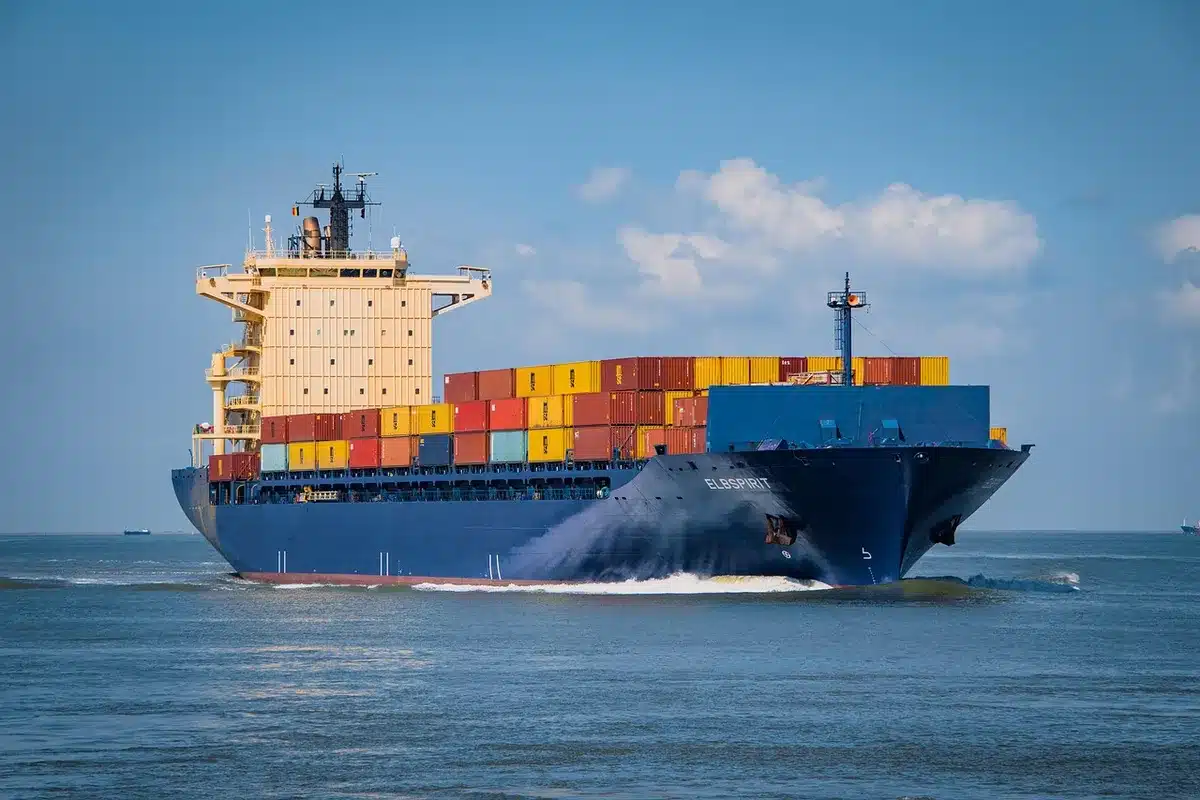
- Supply chain: Processing plants that rely on continuous power have faced shutdowns, affecting slaughter schedules and cold storage.
- Retail impact: Some restaurants and stores have been forced to limit menus or close entirely during blackouts.
- Household effects: Extended outages disrupt daily life, from traffic-light failures to interruptions in basic services.
Executives in the sector say the situation has tightened margins and complicated logistics, with smaller firms especially vulnerable because they lack the capital for large backup generators.
Why the outages persist
At the center of the crisis is the state-owned power utility, which has struggled for years with aging coal-fired plants, maintenance backlogs and alleged corruption that analysts say have undermined investment in the grid. Attempts at reform have had mixed results and prompted public frustration.
Recent management efforts to tackle fraud and inefficiency faced a dramatic setback when a senior executive who had been appointed to clean up the utility stepped down after falling ill — an incident that local reports linked to an attempted poisoning, allegations the individual later described publicly. His resignation has fed public debate about the depth of problems within the system and the risks facing reformers.
Political fallout and public response
Promises to eliminate large-scale outages have been repeated by political leaders for years, but the interruptions have grown more frequent and extensive. Opposition parties and civic groups are organizing demonstrations and a planned nationwide action to press for faster fixes, signaling that electricity reliability is becoming a central political issue.
For many citizens, the problem is tangible: traffic signals out, businesses operating on portable generators, and long lines at venues that can afford backup power.
Where alternatives fit in
South Africa receives abundant sunlight year-round, and private solar projects are expanding as businesses and investors seek to reduce dependence on the central grid. Some large-scale developments have drawn scrutiny because of links between project backers and politically connected figures, raising questions about how quickly and widely renewables will be deployed to ease shortages.
Meanwhile, a number of restaurants and retailers have invested in industrial generators to keep operations running during outages — a fix that shifts costs rather than solving the national supply problem.
What this means for readers now
Frequent power interruptions carry direct consequences for households and small businesses: higher costs, unpredictable service, and the potential for shortages of perishable goods. They also influence investor sentiment and could weigh on economic growth if unresolved.
Policymakers face a squeeze between urgent technical fixes and longer-term reforms to restore reliability and confidence in the power sector.
- Short term: Expect continued disruptions and localised shortages while generators and contingency plans stretch supply.
- Medium term: Increased private solar and battery projects may relieve pressure but require grid integration and oversight.
- Long term: Structural reforms at the utility and transparent procurement will be critical to sustainable reliability.
As demonstrations and political debates intensify, the immediate question for many South Africans is simple: when will power become predictable again? Answers will depend on a mix of technical repairs, policy choices and how quickly investments in alternative energy can be scaled and connected to the national grid.
Irish whiskey: approachable bottles new drinkers should try today
Fishtown restaurants ranked: must-visit spots locals are raving about