Show summary Hide summary
Advances in conversational AI and robotic food prep are poised to reshape fast-food service in the coming years, with industry pilots moving from experiments to live customer interactions. That shift matters now because it could alter hiring needs, ordering experiences and the cost structure of major chains within a five- to ten-year window.
How AI is moving from back rooms to drive‑thrus
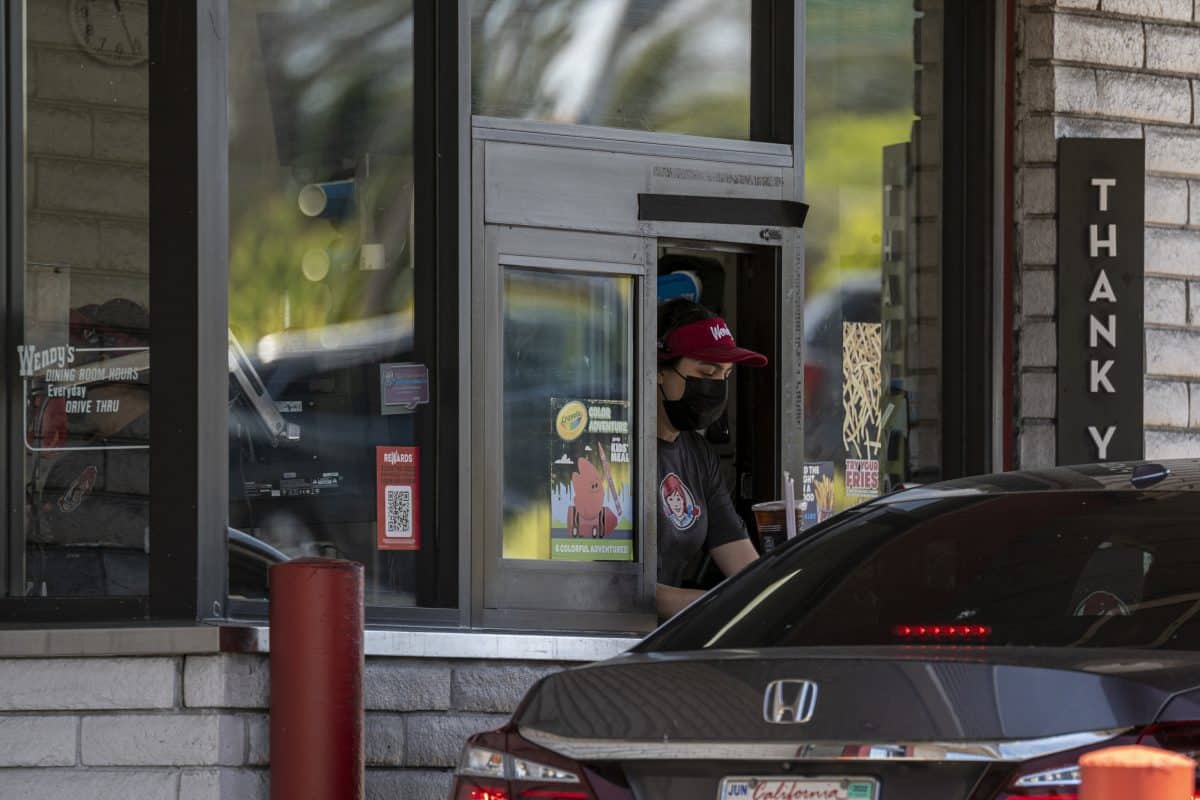
Restaurants are already testing and deploying systems that take orders, suggest add‑ons and even handle payment. Large brands from McDonald’s to Taco Bell and Chipotle have rolled out some form of automation or AI tooling, and Wendy’s recently began a pilot using Google Cloud conversational technology at an Ohio location to handle drive‑thru orders.
The company Valyant AI—whose founder has been public about the technology—says its drive‑thru agent has processed more than a million orders and is live with national chains such as Hardee’s and Carl’s Jr. Combined with self‑service kiosks, mobile payments and kitchen robots, these tools are reducing the need for human staff at multiple points in the customer journey.
Caramel, butterscotch, toffee: how their differences affect your desserts
McDonald’s rebrands Twitter to honor Bubba Wallace after his first NASCAR Cup win
What the near future could look like
Industry executives predict broad workplace changes. Some automation will target repetitive roles—especially order‑taking and basic food assembly—while other functions, such as management, customer complaints and complex food prep, may remain human for longer.
Economic research firms have warned of large-scale disruption. In a report released earlier this year, analysts at Goldman Sachs suggested AI-driven automation could affect hundreds of millions of jobs worldwide, indicating significant labor‑market consequences if adoption accelerates.
At the same time, many restaurants say staffing shortages are a continuing problem. A survey from the National Restaurant Association shows a sizable share of operators report difficulty filling shifts, a pressure that can accelerate investment in automation as a cost and reliability solution.
Who wins, who loses — and what changes for customers
Automation promises faster, more consistent service and higher average order values through algorithmic upselling. But it also raises questions about job displacement, wage pressure and the quality of human interaction in customer service.
- Workers: Order‑taking and entry-level kitchen roles are most exposed; retraining and new roles in maintenance and AI oversight may appear, but not necessarily at the same scale.
- Operators: Chains could lower labor costs, improve order accuracy and extend hours without staffing gaps, improving margins for some franchisees.
- Consumers: Quicker transactions and personalized suggestions, but potentially fewer opportunities for human assistance during complex orders or issues.
- Policymakers: Potential need for workforce transition programs and updated labor regulations to address new employer models and staffing mixes.
Real examples and performance claims
Companies offering drive‑thru AI report higher upsell rates and steadier performance across all hours—so-called “always on” selling that doesn’t vary with staff mood or shift changes. One AI provider compares its upsell conversion to human averages and claims multiples in performance, though independent verification across the industry remains limited.
Robust evidence about long‑term outcomes is still emerging. Pilots and early deployments show potential, but scale, customer acceptance, maintenance costs and integration with franchise operations will determine how fast changes occur.
What to watch next
Key signals that acceleration is underway will include broader rollouts beyond pilot stores, published performance data from major chains, and franchisor guidance that encourages AI investment. Labor market indicators—hiring trends in food service and related training programs—will also reveal how businesses and workers adapt.
Bottom line: The technology is moving rapidly into customer‑facing roles, and if adoption continues at the current pace, the fast‑food workforce and the day‑to‑day ordering experience could look very different within a decade. For workers, operators and policymakers, the immediate task is preparing for that transition rather than assuming it will happen slowly.
Irish whiskey: approachable bottles new drinkers should try today
Fishtown restaurants ranked: must-visit spots locals are raving about