
Show summary Hide summary
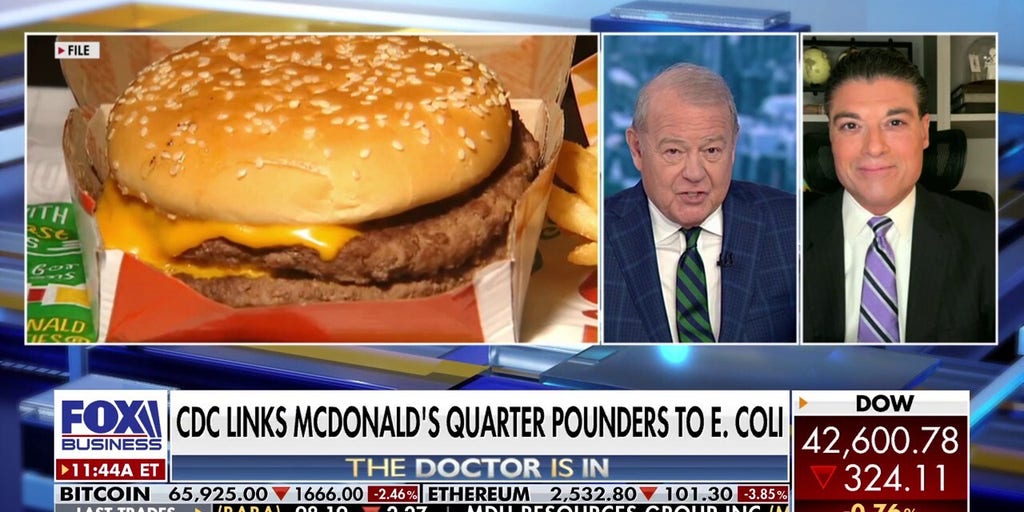
The Centers for Disease Control and Prevention has linked an ongoing cluster of foodborne illnesses to Quarter Pounder sandwiches sold at McDonald’s, prompting a multi-state investigation and warnings for recent customers. The discovery heightens concern because ground beef products can spread infection quickly across wide areas, making prompt action important for anyone who ate at affected locations.
What health officials say
The CDC reports that public‑health investigators identified genetic matches among bacterial samples taken from patients and traced them back to beef patties used in Quarter Pounder sandwiches at multiple restaurants. Officials describe the probe as active and emphasize that links were made through laboratory testing combined with patient interviews about recent meals.
Caramel, butterscotch, toffee: how their differences affect your desserts
McDonald’s rebrands Twitter to honor Bubba Wallace after his first NASCAR Cup win
Investigations of this type typically use whole‑genome sequencing and case interviews to connect illnesses to a specific food item and supply chain. Public‑health agencies are coordinating with state health departments and the company to narrow the timeframe, affected batches and locations.
How to recognize a possible infection
If you recently ate a Quarter Pounder and feel unwell, pay attention to timing and symptoms. Most foodborne E. coli infections appear within a few days after exposure.
- Common symptoms: severe stomach cramps, diarrhea (often bloody), nausea, vomiting and sometimes fever.
- When symptoms usually start: symptoms often begin 1–10 days after exposure; many cases surface within 3–4 days.
- Seek immediate care if: you have persistent vomiting, signs of dehydration, bloody diarrhea, a high fever, or if urine output drops — especially in young children, older adults and people with weakened immune systems.
What McDonald’s and officials are doing
McDonald’s has said it is cooperating with public‑health authorities as they investigate. Company spokespeople typically work with regulators to identify any problematic product lots, pull items if needed, and review kitchen procedures at affected restaurants.
State and local health departments are performing on‑site inspections and reviewing supplier records. If a specific batch of meat is implicated, a recall or targeted removal from distribution is possible; however, public‑health agencies will announce formal recalls and instructions if and when they are warranted.
Practical steps for customers
- Check any recent purchase or meal receipts for dates and locations.
- If you ate at a McDonald’s and develop symptoms, contact your healthcare provider and mention the potential exposure to E. coli.
- Keep children and vulnerable household members away from shared food prep areas until the risk is clarified.
- Follow official updates from your state health department and the CDC for location‑specific advisories.
Beyond immediate medical concerns, outbreaks like this can trigger inspections, supplier audits and legal actions. For the public, the most important actions are early recognition of symptoms and timely medical care to reduce complications and limit further spread.
We will update this report as authorities release additional details, including the specific restaurants and product lots involved and any formal recall notices.
Irish whiskey: approachable bottles new drinkers should try today
Fishtown restaurants ranked: must-visit spots locals are raving about










