Show summary Hide summary
More than half of U.S. consumers now pick takeout over eating inside a restaurant — a change that reshapes how families schedule meals, how restaurants compete and how delivery platforms capture market share. New analysis from a Colorado culinary school and industry experts shows convenience and cost are driving the trend, with clear consequences for health choices and household budgets.
Fast food leads the takeout market
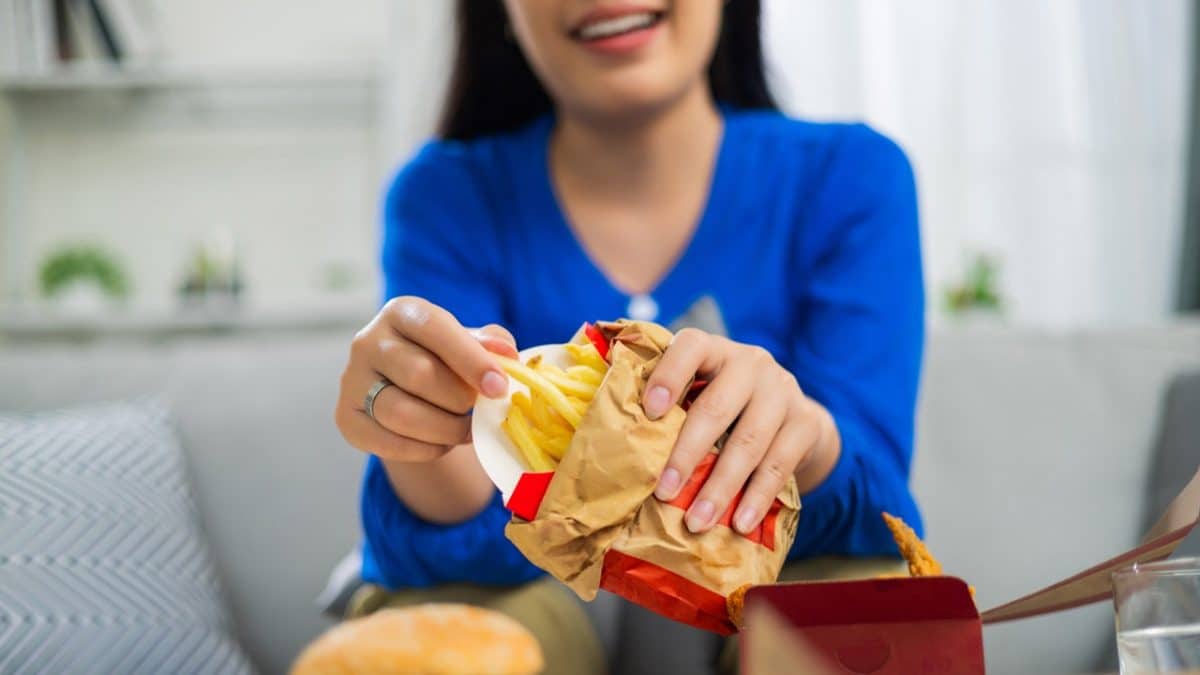
Research compiled by the Auguste Escoffier School of Culinary Arts in Boulder shows that fast food accounts for the majority of takeout orders. The school’s review of 2024 dining data found that a large share of Americans opt for quick-service meals when eating at home.
“People are choosing meals that save time and simplify the day,” said Kirk T. Bachmann, president and provost at Escoffier’s Boulder campus, describing the shift toward more portable, ready-to-eat options. He noted that spending on food prepared outside the home continues to climb, led by fast-service outlets.
Caramel, butterscotch, toffee: how their differences affect your desserts
McDonald’s rebrands Twitter to honor Bubba Wallace after his first NASCAR Cup win
- 60% — share of takeout that is fast food, according to Escoffier’s analysis.
- 57% — proportion of consumers who prefer takeout to dining in.
- 76% — respondents who said eating takeout at home is more enjoyable.
- 51% — Americans who regularly use third-party delivery apps such as Grubhub or Uber Eats.
- 2% — share of takeout orders coming from fine-dining establishments.
Why takeout is winning
Time pressures, packed schedules and a desire to avoid cooking top the list of reasons people choose takeout. Emily Irwin, head of advice and planning at Wells Fargo’s Planning Center of Excellence, described fast food and delivery as practical solutions for “pinched” moments — when families are short on time, money or both.
Many respondents also said they simply enjoy the experience of eating at home, where they can watch TV or relax without the rituals of dining out. That emotional comfort, combined with immediate availability, helps explain why takeout has edged past sit-down meals.
Choices at the drive-thru can be healthier
Not all fast-food options are nutritionally equal. Registered dietitian Lisa Moskovitz of the NY Nutrition Group says diners can make better choices even at quick-service restaurants by selecting grilled proteins, salads or bowls and swapping fried sides for fruit or soup.
Small swaps — choosing water over sugary drinks or a salad in place of fries — can considerably improve a meal’s nutritional profile without adding time or much expense, she added.
Delivery apps bring convenience — and fees
Third-party delivery platforms are expanding access to takeout, particularly among younger consumers. More than half of Americans report using delivery apps routinely, making it easier to get meals without leaving home.
But convenience has a cost. Irwin warns that commission charges, service fees and tipping can quickly raise the price of an otherwise inexpensive meal, and frequent ordering can add up on household budgets.
What this means for readers
As takeout becomes the default for many households, consumers should weigh three practical considerations: time saved versus money spent, the nutritional trade-offs of menu choices, and the cumulative impact of delivery fees. Restaurants, meanwhile, face pressure to adapt menus and service models to meet demand for convenience.
- Budget tip: Compare in-app fees and order directly from restaurants when possible to reduce surcharges.
- Nutrition tip: Pick grilled or plant-forward items and opt for water to improve meal quality.
- Planning tip: Use weekly meal prep or scheduled orders to balance convenience with cost control.
The Escoffier analysis and comments from industry and financial advisers underline a broader point: modern life’s pace is reshaping how Americans eat, with lasting implications for families, eateries and delivery services alike.
Irish whiskey: approachable bottles new drinkers should try today
Fishtown restaurants ranked: must-visit spots locals are raving about