
Show summary Hide summary
If you’re trying to cut plastic from your morning routine, the coffee maker is a smart place to start: many manual brewers and a growing number of electric machines avoid disposable plastics and deliver better flavor at the same time. This guide looks at durable, low-plastic and plastic-free options that reduce waste without sacrificing control or convenience.
Why rethink your coffee gear now
Plastic pollution and microplastics in food-contact items have become a more visible concern for consumers and regulators. Choosing appliances and tools made from glass, stainless steel, ceramic or wood can lower your household’s plastic footprint and often extends the life of the equipment.
Caramel, butterscotch, toffee: how their differences affect your desserts
McDonald’s rebrands Twitter to honor Bubba Wallace after his first NASCAR Cup win
Beyond environmental benefit, many plastic-free brewers emphasize simplicity and repairability: a broken glass carafe or a replaceable metal filter is typically easier to fix or recycle than an electronic housing full of molded plastics.
How to read the options
When assessing a brewer, look past marketing labels. Check whether commonly replaced parts—carafes, lids, gaskets, filters—contain plastic, and whether those parts are replaceable. Also consider the waste profile of the brew method itself: paper filter pour-overs create ongoing disposable waste, while metal-filter brewers produce only coffee grounds.
| Model / Type | Capacity | Main materials | Plastic profile | Why choose it |
|---|---|---|---|---|
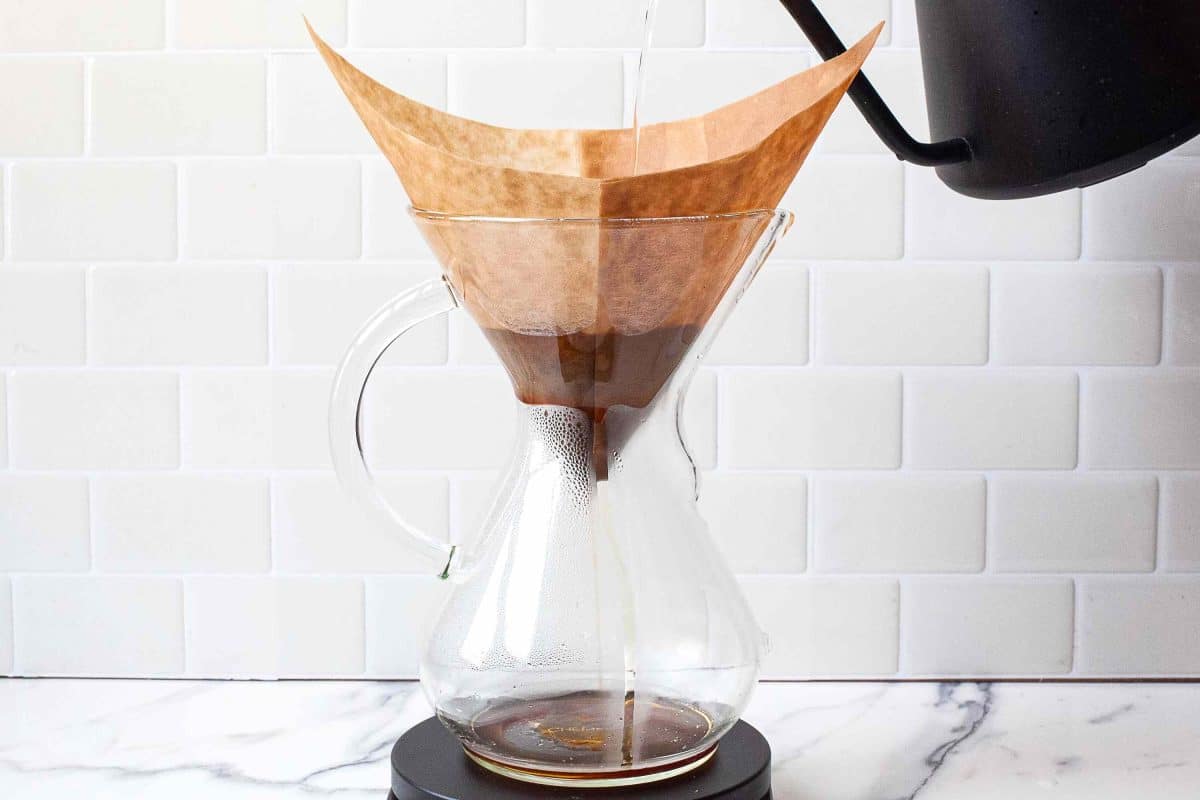
| Chemex (glass pour-over) | 1–8 cups (varies by model) | Borosilicate glass, wood collar, leather tie | Minimal — no internal plastics; paper filters required | Clean taste, elegant design, easy to clean |
| Hario V60 (ceramic or glass pour-over) | Single to several cups | Ceramic or glass | Minimal — mostly plastic-free; some models include small plastic handles | Affordable, fast brewing control, widely available filters |
| Stainless steel French press | Multiple cup sizes | Stainless steel (double-wall) | Plastic-minimal — occasional lid or plunger parts may use polymer | Metal filter, full-bodied brew, long-lasting |
| Metal pour-over cone + kettle | Single to multiple cups | Stainless steel | Plastic-free if paired with a metal or cloth filter | No disposable filters, durable for travel or camp |
| Manual espresso / lever machines | Single-serve | Stainless steel, aluminum | Often plastic-minimal but check water tanks and handles | High quality espresso without single-use pods |
Practical choices and quick trade-offs
- Pour-over (glass/ceramic): Very low plastic; uses paper filters that add waste unless you switch to a reusable metal or cloth filter.
- Stainless-steel French press: Minimal disposables, metal filter preserves oils and reduces waste, but clean-up requires more effort than paper-filter brews.
- Metal pour-over cones: Truly low-waste when paired with a permanent filter; ideal for kitchens and travel where durability matters.
- Manual espresso: Avoids pods, delivers concentrated coffee, but look closely at reservoirs and seals for hidden plastics.
Care, maintenance and what to watch for
Longevity is the clearest sustainability win. Replaceable carafes, removable gaskets, and widely available spare parts make a machine last longer and reduce waste. Avoid models with glued plastic elements or sealed electronics that complicate repair.
For any brewer, simple habits cut waste: use a metal filter or compostable paper, rinse immediately after use to prevent staining, and store metal parts dry to avoid corrosion. If you prefer electric convenience, look for manufacturers that publish spare-part availability and servicing guidance.
Bottom line for buyers
Switching to a plastic-minimal or plastic-free coffee setup delivers tangible environmental benefits and can improve flavor and longevity of equipment. The best choice depends on how you brew (pour-over vs. press vs. espresso), how much time you want to spend, and whether you’re willing to trade a bit of convenience for lower waste.
Start small: try a glass or ceramic pour-over, or swap to a stainless-steel filter for your current brewer. Those low-effort changes reduce single-use plastic instantly and help you figure out which features matter most before investing in larger equipment.
Irish whiskey: approachable bottles new drinkers should try today
Fishtown restaurants ranked: must-visit spots locals are raving about










