
Show summary Hide summary
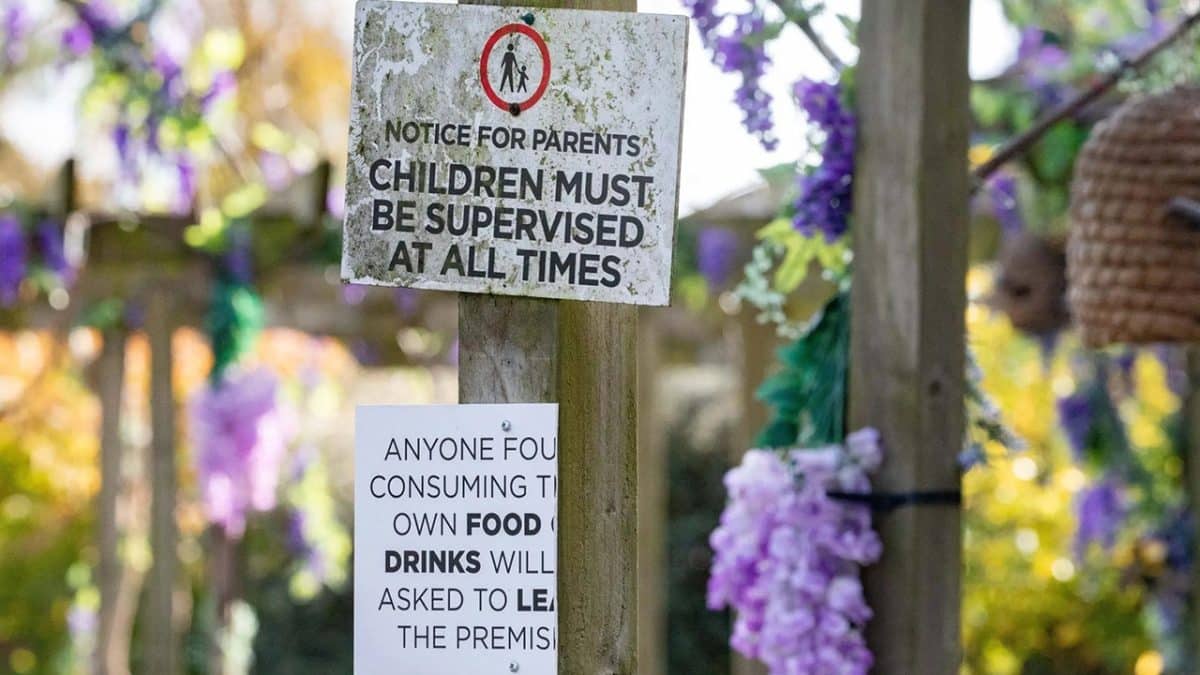
A Manchester café has drawn attention online after visitors counted more than 20 notices around its outdoor seating area reminding guests of basic rules — from where dogs are allowed to a policy against eating food bought elsewhere. The flurry of signage has prompted a debate about hospitality, safety and how venues communicate with customers.
Hidden Gem Café, located inside a garden centre near Heaton Park, is at the centre of the conversation after a visitor posted photos showing dozens of signs. The messages range from practical safety reminders to firm instructions about what may be consumed on the premises.
What visitors saw
Caramel, butterscotch, toffee: how their differences affect your desserts
McDonald’s rebrands Twitter to honor Bubba Wallace after his first NASCAR Cup win
Local journalist Jack Fifield, 26, spotted the notices during a day off and shared his reaction on social media, where the images were amplified by the news agency SWNS. He counted 21 signs across the café and outdoor deck, which many users found either amusing or off-putting.
- No dogs on the decking area and in the café itself — multiple duplicate notices reinforce this point.
- Children must be supervised at all times while on-site.
- Restrooms are for customers only.
- Only food and drink purchased from the café may be consumed there — the area is not a picnic space.
On its website the café also highlights its hospitality, advertising freshly ground coffee and a wide selection of teas, and noting that customers can enjoy refreshments in the covered greenhouse or gardens.
Reactions and rationale
Responses online were mixed. Some commenters said the rules were sensible and reflected safety concerns — for example,: the manager told staff about a recent incident in which an unleashed dog caused someone to trip. Others argued the volume of signage can create an unfriendly first impression and could drive custom elsewhere.
The café manager, who gave his name as Mark, defended the approach when reached through SWNS, saying the notices are meant as simple reminders rather than punitive rules. He pointed out that other retailers use signage to manage behaviour and safety, and that staff remain welcoming to customers.
Fifield said he ultimately bought a slice of cake and a hot drink and found staff courteous, though he admitted the notices made him cautious about pulling out his own water bottle while sitting outside.
Why it matters now
Clear, calm customer communication has taken on added importance for hospitality businesses since the pandemic, as operators balance service, safety and limited space. How a venue signals expectations can influence visitor comfort and the likelihood of return visits.
For other small cafes and garden-centre eateries, the episode offers a cautionary example: signage that aims to reduce problems can also create friction if issued too prolifically or without context.
Practical takeaways for businesses
- Be selective: prioritise a few concise signs that address safety and legal obligations rather than posting every rule in multiple places.
- Use tone: friendly, helpful language reduces the risk of customers feeling unwelcome.
- Train staff: staff who can calmly explain policies in person often defuse issues better than a wall of notices.
- Review placement: signs at points of entry or transaction are most effective; repetitive signs can desensitise guests.
Fox News Digital contacted the garden centre for comment. The venue’s online description still touts attentive staff and a pleasant atmosphere, promising customers will “leave with a smile on your face and a content tummy.”
As cafés and outdoor hospitality spaces continue to reopen and adapt, the Hidden Gem example highlights an ongoing trade-off: safeguarding patrons and operations while preserving the relaxed, welcoming feel that draws people to independent cafés in the first place.
Irish whiskey: approachable bottles new drinkers should try today
Fishtown restaurants ranked: must-visit spots locals are raving about










