Show summary Hide summary
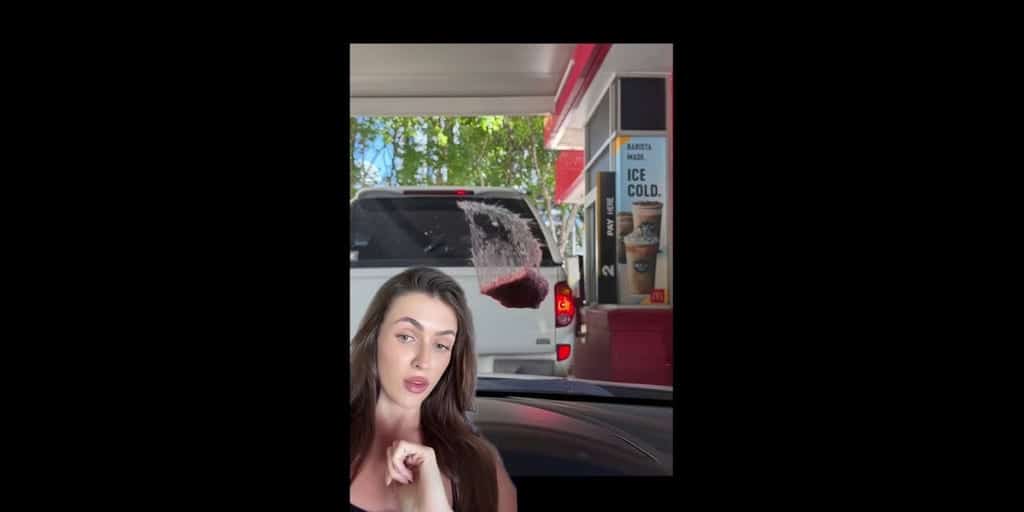
A short video circulating online captured a raw beef patty striking the windshield of a car while it waited in a fast-food drive‑thru, raising immediate questions about food handling and customer safety at quick‑service restaurants. The clip, viewed by thousands, pushed hygiene concerns into the spotlight at a moment when more people rely on contactless pickup and curbside service.
What happened on the line
The footage shows a vehicle queued in a drive‑thru lane when an uncooked burger patty appears to land on the windshield. The moment is brief but unmistakable: a piece of raw meat rests against the glass before the customer moves away.
Caramel, butterscotch, toffee: how their differences affect your desserts
McDonald’s rebrands Twitter to honor Bubba Wallace after his first NASCAR Cup win
Details about when and where the incident took place remain unclear from the video alone. The restaurant involved has not published a public statement linked to the clip, and no official confirmation of disciplinary or remedial steps has emerged at the time of publication.
Why this matters now
Drive‑thru and takeout orders make up a significant share of fast‑food traffic, and consumers expect basic food‑safety standards even when they don’t dine inside. An image of uncooked meat landing in a customer’s lane touches on two immediate concerns: potential health risks from contact with raw animal products and the operational controls restaurants use to prevent mishaps.
Food‑safety experts note that raw beef can carry bacteria such as E. coli or Salmonella, which are eliminated only through proper cooking. Although a patty on an exterior windshield is unlikely to cause direct foodborne illness for the driver, the episode highlights the need for strict handling, packaging and staff training to avoid contamination or unsanitary exposures.
Practical implications for customers and operators
- For customers: avoid touching raw food with bare hands, wash or sanitize hands if you come into contact with it, and document the incident (photo or video) in case you need a refund or to report it to local health authorities.
- For restaurants: review packaging procedures, reinforce employee training on safe food transport, and audit drive‑thru workflows to reduce the chance of accidental drops or cross‑contamination.
- Regulators and inspectors: may consider such incidents when assessing compliance with local food‑safety codes, especially if a pattern of violations is alleged.
Quick‑serve chains face intense public scrutiny over lapses captured on camera; a single clip can amplify reputational risks and prompt calls for inspections or policy changes. Many operators respond to such incidents by reissuing orders, retraining staff, or updating standard operating procedures to prevent recurrence.
What to do if it happens to you
If you find raw food on your vehicle or packaging, take these measured steps: photograph the scene, secure the item so it cannot spread contamination, request a replacement or refund from the restaurant, and consider notifying your local health department if you suspect a public‑health issue. Preserve receipts and any digital evidence, should further investigation be necessary.
While dramatic moments on social media draw attention, they don’t always tell the full story. Still, this episode is a reminder that even routine transactions carry hygiene obligations for businesses and vigilance for customers.
As quick‑service dining continues to evolve — with more orders picked up at curbside or from cars — both transparency and clear food‑handling practices will remain central to consumer trust. Observers and industry watchers will be watching whether restaurants adjust protocols in response to isolated incidents like this one.
Irish whiskey: approachable bottles new drinkers should try today
Fishtown restaurants ranked: must-visit spots locals are raving about