Show summary Hide summary
Across diners, delis and fast‑casual kitchens, one pairing keeps turning up on plates: generous portions of meat served alongside a starchy bed of potatoes, rice or bread. That combination—meat plus starch—still drives orders, shaping menus and what people reach for when they want a filling, familiar meal.
There are practical reasons behind the appeal. A dish built around protein and carbohydrates delivers quick satisfaction, predictable flavors and reliable value, whether it’s late‑night comfort food or a weekday lunch. For restaurants, those same qualities make such plates easy to scale and profitable.
Why the combo persists
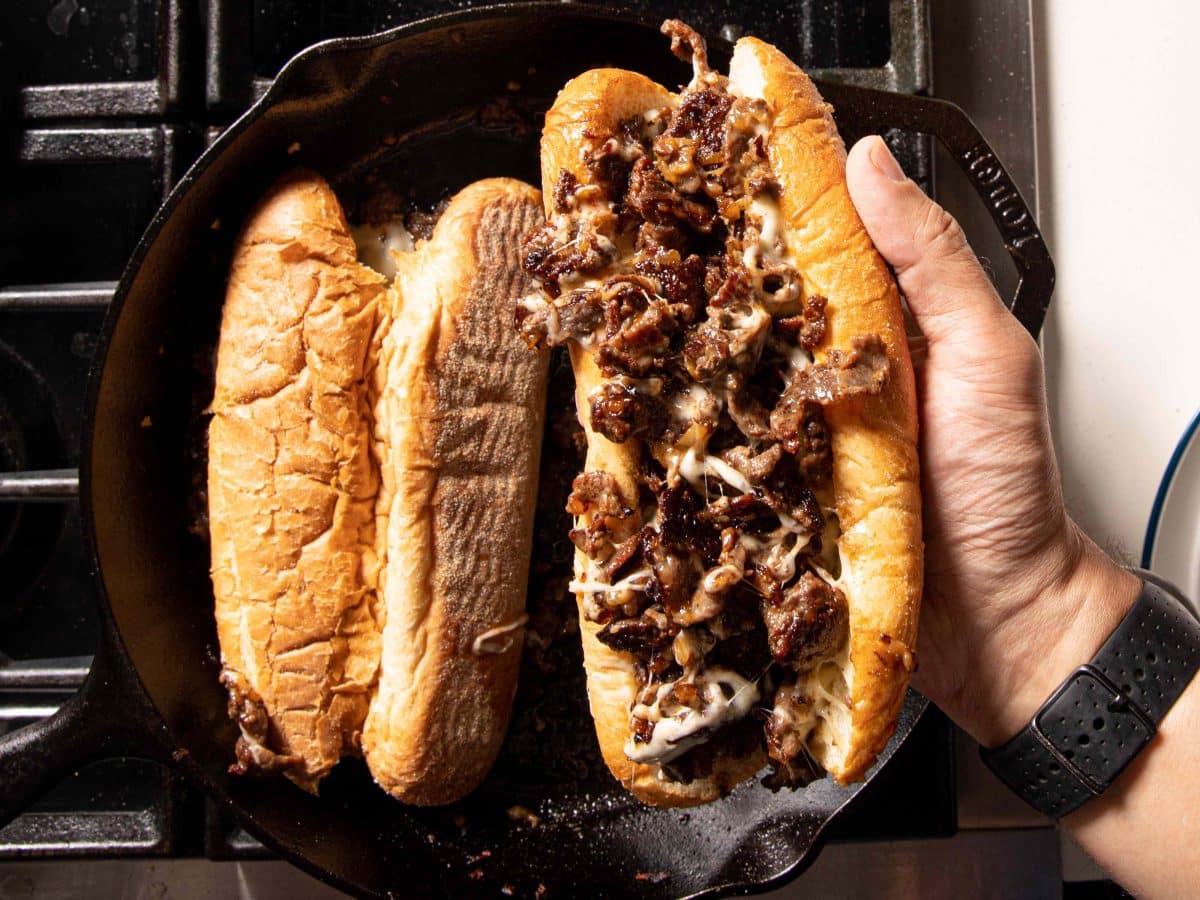
Food habits don’t change overnight. Even as tastes diversify, the basic logic of a meat-and-starch meal remains compelling: it’s satiating, portable and adaptable. From sandwich shops stacking thinly sliced beef on a roll to casual spots pairing roasted chicken with potatoes, operators keep refining the formula rather than abandoning it.
Caramel, butterscotch, toffee: how their differences affect your desserts
McDonald’s rebrands Twitter to honor Bubba Wallace after his first NASCAR Cup win
Economic pressures play a part. When budgets tighten, consumers often trade down to simpler comfort choices. A single plate with a hearty protein and a filling starch can feel like better value than an elaborate composed dish—especially during peak dining hours or when people order for delivery.
Classic pairings you still see everywhere
- Philly‑style steak on a roll — thin beef, melted cheese, soft bread
- Burgers with fries — the archetypal fast‑casual combo
- Fish and chips — fried fillet with crisp potatoes
- Poutine — fries topped with gravy and cheese curds
- Roast chicken with mashed potatoes or rice bowls with grilled meats
These combinations persist because they are adaptable: swap the sauce, the cut of meat or the starch to create a new variation without changing the underlying structure.
Menu changes: adaptation, not extinction
Rather than disappearing, meat-and-starch dishes are evolving. Kitchens are adding seasonal produce, brighter sauces and textural contrasts to keep long-standing items feeling fresh. At the same time, many menus now list plant-based alternatives alongside classic options to meet changing preferences.
That shift matters for diners: you can still get the comfort of a starch-forward plate while choosing a lower‑fat protein or a vegetable-forward substitute. It’s not about erasing tradition, but offering more choice within a familiar format.
Health, cost and convenience — what to watch
On the health front, those familiar combos tend to be calorie‑dense and can be high in sodium or saturated fat, depending on preparation. For readers who eat these meals regularly, small adjustments—leaner cuts, more vegetables, smaller portions of starch—can make a meaningful difference without losing the appeal.
From a cost perspective, meat-plus-starch plates will likely remain staples because they balance ingredient cost with perceived value. For busy households and time-pressed diners, the combination also delivers convenience: many comfort plates travel well for takeout and reheating.
Takeaway
Meat and starch together are less a culinary fad than a durable template. They meet basic wants—satiety, familiarity, and value—while allowing chefs to tinker with flavors and formats. If you’re watching menus this season, expect these pairings to stay prominent, increasingly offered with lighter choices and creative twists that let diners have comfort without sacrificing variety.
Irish whiskey: approachable bottles new drinkers should try today
Fishtown restaurants ranked: must-visit spots locals are raving about