Show summary Hide summary
The coconut is not just a tropical symbol — its biology makes it a rare all-purpose resource used for food, fuel and materials across the globe. With rising interest in plant-based ingredients and sustainability, the tree’s many roles — and the risks to its supply — are suddenly more relevant to everyday shoppers and cooks.
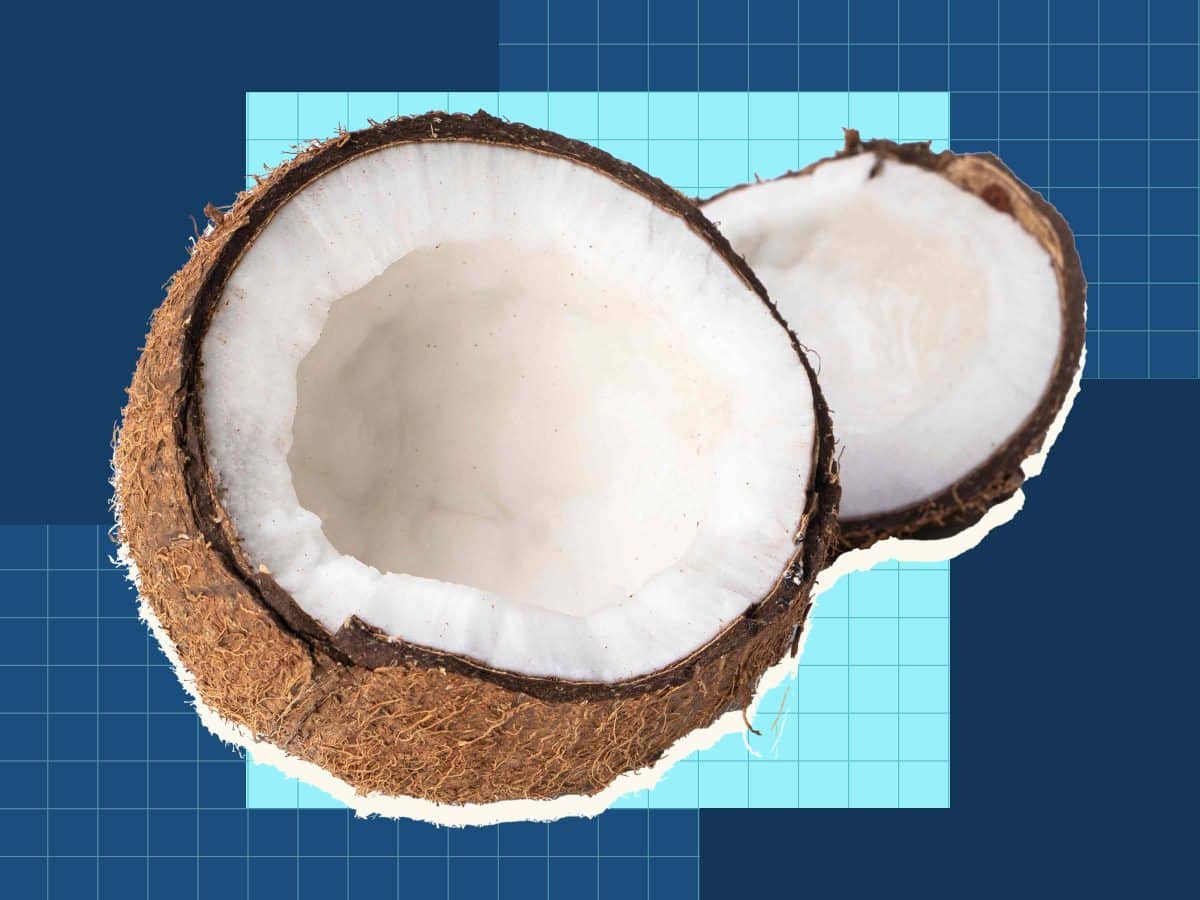
The coconut palm’s life cycle explains much of its utility. A single fruit contains three distinct commercial products: the liquid inside, the white flesh, and the fibrous husk and shell. Those components can be processed into beverages, oils, dried meat, fibers and charcoal, which is why many cultures have long called it the “Tree of Life”.
How the parts are put to work
Caramel, butterscotch, toffee: how their differences affect your desserts
McDonald’s rebrands Twitter to honor Bubba Wallace after his first NASCAR Cup win
At the most familiar level, coconut water is enjoyed as a drink; the solid meat can be eaten fresh or dried into copra, pressed into oil, or turned into shredded coconut. The coarse outer fiber — known as coir — is widely used for ropes, mats and soil conditioners. Even the hard shell becomes fuel, activated carbon or craft material.
That multiplicity of uses makes the coconut palm economically valuable in coastal and island communities, where it provides both cash crops and daily necessities. But the same variety of uses also complicates global supply chains: a surge in demand for one product, such as oil for cosmetics or water for beverages, can ripple through prices and availability for other uses.
Why this matters now
Consumer trends are reshaping coconut markets. Health and plant-based food movements have boosted demand for coconut-derived fats and dairy alternatives. At the same time, concerns about sustainability and labor practices are prompting scrutiny of how coconuts are grown and processed.
On the environmental side, the palms are sensitive to severe weather and changing rainfall patterns. Increased storm intensity and irregular dry seasons can reduce yields and raise production costs, with consequences for local farmers and global shoppers alike.
- Food and drink: fresh meat, dried coconut, milk and water for cooking and beverages.
- Oils and fats: edible oil, cosmetic and industrial applications.
- Fibers and materials: coir for gardening and rope, shells for charcoal and handicrafts.
- Byproducts: copra (dried meat) and pressed cake used in animal feed or as biofuel feedstock.
Trade-offs and concerns
Not every coconut product is created equal. The processing method affects both nutritional profile and environmental impact: mechanically pressed oils differ from chemically extracted ones, and large-scale monoculture plantations can threaten biodiversity and local livelihoods.
Labor practices also vary. In regions where coconuts are a primary income source, workers may face low pay or unsafe conditions. Some buyers and brands now seek certified or traceable supplies to reduce such risks, but certification coverage is uneven.
How readers can act
For shoppers and home cooks, a few practical steps can help balance quality, cost and sustainability.
- Choose whole or minimally processed: when possible, buy fresh or dried coconut rather than highly refined ingredients.
- Check origin: look for supply transparency if social and environmental standards matter to you.
- Use the whole fruit: shells and husks can be composted, used for DIY projects, or burned for heat in appropriate, low-emission ways.
- Watch claims: marketing language like “superfood” or “miracle” overstates benefits; moderate use within a balanced diet is wiser.
Because coconuts intersect food trends, trade, and climate vulnerability, changes in production quickly affect prices and availability. For consumers, that means paying attention not just to flavor but to where and how coconuts are produced — and recognizing that a palm tree in a coastal village supports more than a single product.
Understanding the coconut’s biology and the complexity of its markets clarifies why a humble fruit has earned global nicknames and why its future matters beyond the beach postcard: the palm sustains livelihoods, supply chains and everyday kitchen cupboards. That combination of practical value and emerging pressures makes the coconut more important — and more fragile — than many people realize.
Irish whiskey: approachable bottles new drinkers should try today
Fishtown restaurants ranked: must-visit spots locals are raving about