Show summary Hide summary
Most weeknight pasta fails come down to a handful of avoidable habits that dull flavor, ruin texture, or waste food. With home cooking still common in 2026, mastering a few simple techniques can turn ordinary dry pasta into a restaurant-quality meal and save time, money and frustration.
Small mistakes, big consequences
Many cooks make decisions that seem harmless but change the outcome dramatically: overcooked noodles that collapse, sauces that slide off, or salty, lifeless bowls. Fixing those errors is less about exotic ingredients than about timing and attention.
Caramel, butterscotch, toffee: how their differences affect your desserts
McDonald’s rebrands Twitter to honor Bubba Wallace after his first NASCAR Cup win
- Overcooking or undercooking — The texture of pasta defines the dish. Pasta left in boiling water too long becomes mushy; taken out too early is gummy. The result affects how sauce clings and how the whole plate feels in the mouth. Tip: check for al dente two minutes before the package time and taste frequently.
- Not salting the cooking water — Pasta cooked in unsalted water is bland even if the sauce is seasoned. Salt is absorbed into the noodle and builds backbone. Aim for discernible seasoning in the boil rather than sprinkling salt only at the end.
- Adding oil to the pot — A common belief says oil prevents sticking, but it also coats the pasta, making sauces slide off instead of adhering. If sticking happens, increase water volume and stir in the first two minutes.
- Rinsing pasta after draining — Rinsing washes away the surface starch that helps sauce cling. The only exception is when you’re making a cold pasta salad or storing pasta for later use; otherwise, skip the rinse.
- Dumping all the cooking water — Reserved hot pasta water is a simple emulsifier that turns watery sauce into silky coating. Keep a cup before you drain and add gradually to the pan while finishing the pasta with the sauce.
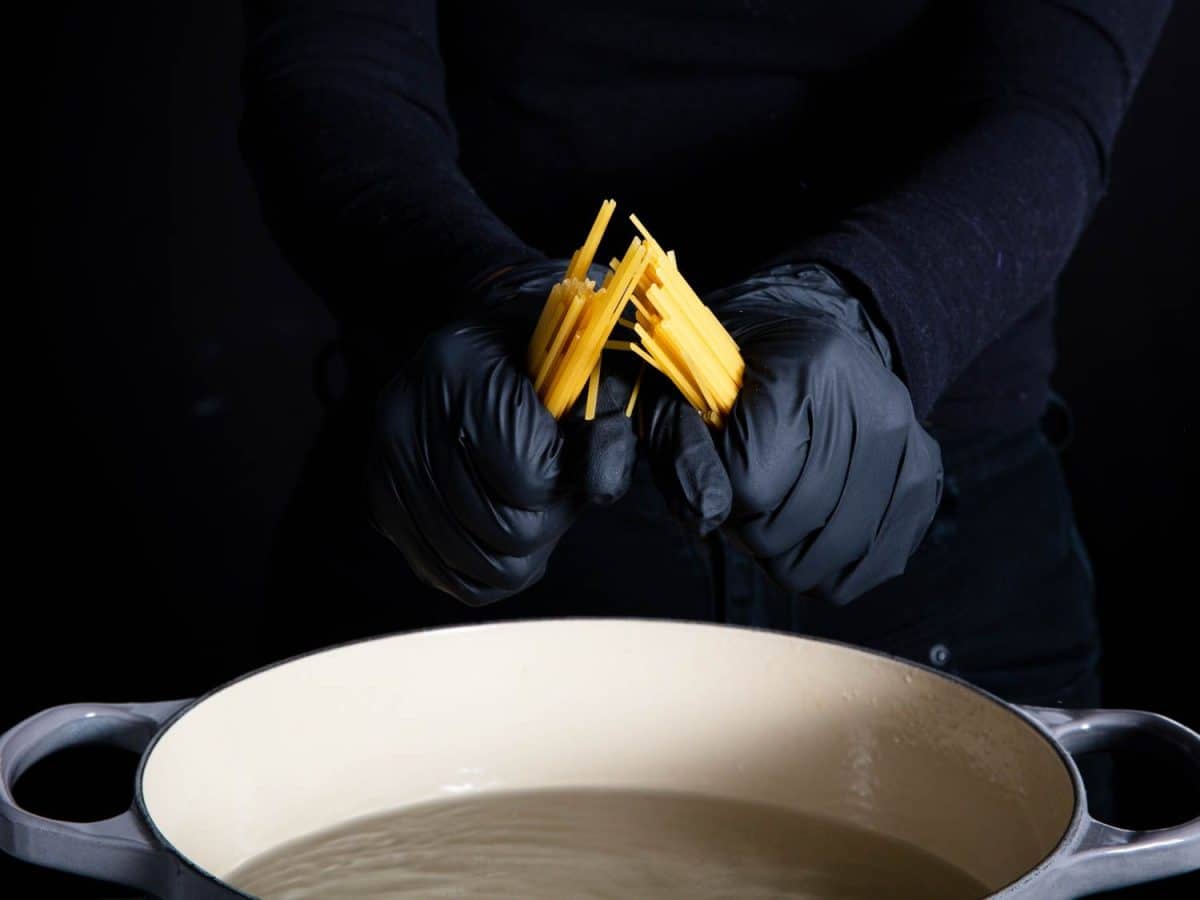
- Overcrowding the pot — Too many noodles in a small pot drops the water temperature and makes sticking more likely. Use a large pot and enough water so the pasta can move freely while boiling.
- Using the wrong shape for the sauce — Thick, chunky ragùs benefit from wider shapes that catch meat; thin, oil-based sauces cling better to long strands. Matching shape and sauce changes chew and flavor distribution.
- Poor finishing technique — Tossing pasta in a pan with sauce for a minute or two lets the flavors marry. Serving pasta straight from the colander without finishing in the sauce yields a stranger, less integrated dish.
- Storing and reheating incorrectly — Cool pasta quickly, store with a small amount of oil or sauce to prevent sticking, and reheat gently with a splash of water or olive oil so it doesn’t dry out.
How to repair a pasta that’s gone wrong
Not every mistake is irretrievable. A few targeted moves can rescue a failing plate.
If the pasta is bland, finish it in the pan with a spoonful of pasta water and a small knob of butter or a drizzle of extra‑virgin olive oil to round flavors. For overcooked noodles, turning them into a baked pasta with a binding sauce and some cheese can salvage texture and taste. If a sauce is too thin, simmer briefly to concentrate; if too thick, loosen with reserved pasta water, not plain water.
Quick checklist: the essentials to remember
- Bring water to a rolling boil and use plenty of it.
- Salt the water — make it taste like the sea.
- Stir early and often to prevent sticking.
- Reserve a cup of pasta water before draining.
- Finish the pasta in the sauce on the stovetop for at least 60–120 seconds.
- Avoid rinsing unless making a cold salad.
These changes are low-effort but noticeable. For home cooks seeking quick wins, they translate directly into better texture, more balanced flavor, and fewer wasted meals. Try one adjustment at a time the next few nights — the difference is immediate and often dramatic.
Try this tonight: Cook a modest pot, salt it, reserve water, and finish the noodles in the pan with the sauce for one minute. You’ll taste the impact.
Irish whiskey: approachable bottles new drinkers should try today
Fishtown restaurants ranked: must-visit spots locals are raving about