Show summary Hide summary
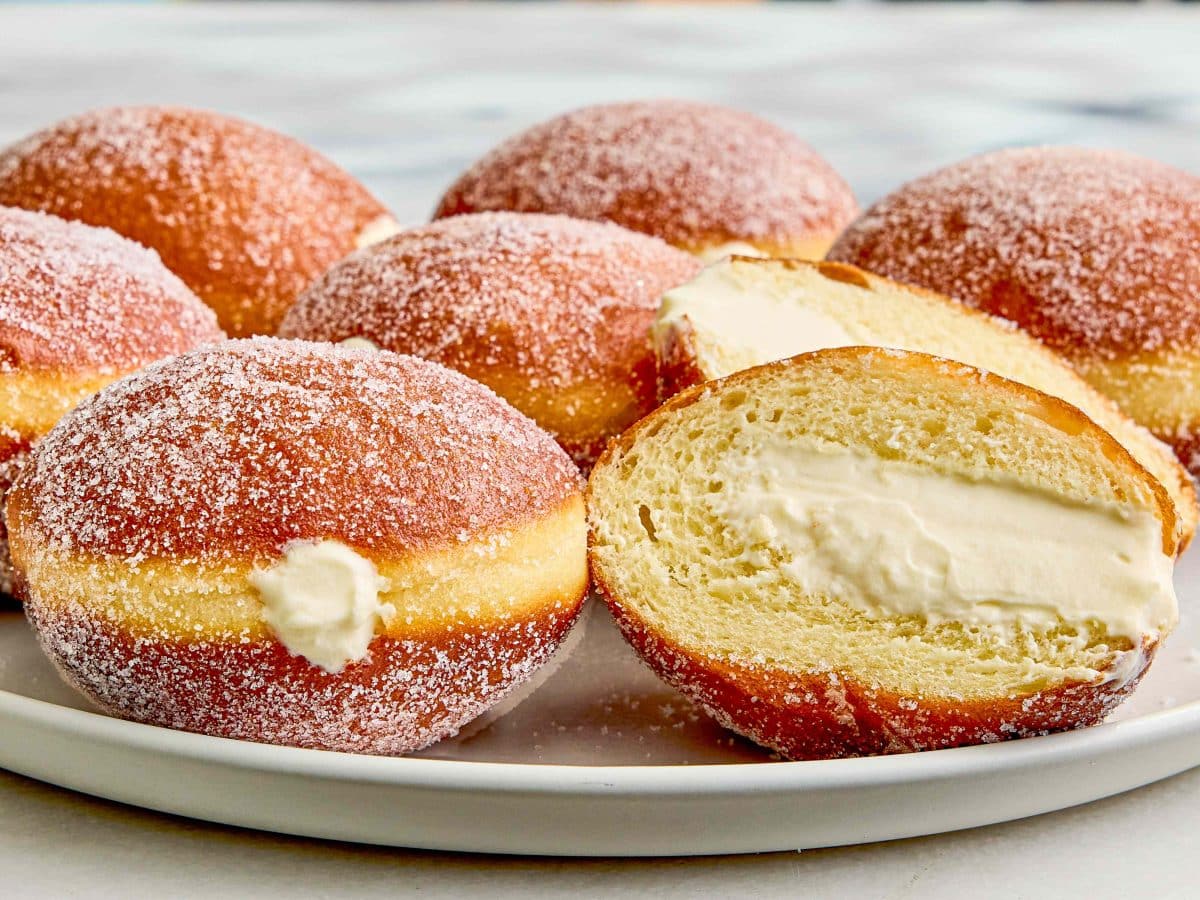
If you want the kind of pillowy, cream-filled doughnuts that disappear first at a bakery display, you can recreate them at home with a few predictable techniques and a silky vanilla filling. Mastering one reliable dough and a light vanilla crème légère turns an ordinary frying session into a repeatable shortcut to bakery-quality treats.
Why this matters now
Home baking remains popular for reasons beyond nostalgia: people seek better ingredients, budget-friendly treats, and hands-on control over texture and sweetness. Learning a dependable method for cream-filled doughnuts delivers all three — and it scales easily for weekend projects or small gatherings.
Caramel, butterscotch, toffee: how their differences affect your desserts
McDonald’s rebrands Twitter to honor Bubba Wallace after his first NASCAR Cup win
What makes a doughnut feel “bakery-quality”
A great cream-filled doughnut balances three things: a tender, airy dough; a stable yet delicate filling; and a finishing touch that complements rather than overwhelms. Achieving that starts with proper gluten development, predictable proofing, and oil temperature control during frying.
Instead of chasing elaborate ingredients, focus on technique: mixing just enough to develop structure, giving the dough time to rise until it shows visible elasticity, and frying quickly so the interior stays soft while the outside gains color. The filling should be creamy but light — think whipped pastry cream rather than dense custard — so the shell doesn’t collapse under its weight.
Key steps at a glance
- Make a soft, enriched dough: Enriched dough (milk, butter, eggs) yields tenderness. Knead until smooth and slightly tacky, not stiff.
- Proof with purpose: Look for the dough to nearly double and pass the gentle-poke test (indentation springs back slowly).
- Fry at steady heat: Keep oil around the sweet spot temperature so the doughnut cooks through without burning.
- Prepare a light filling: A vanilla crème légère — pastry cream folded with whipped cream — gives a silky mouthfeel and stays pipeable.
- Fill carefully: Use a narrow nozzle and moderate pressure to avoid rupturing the shell; two filling points create even distribution.
Technique notes and troubleshooting
Undermixed dough will be dense; overmixed dough can be gummy. Watch texture more than timing — the dough should stretch thin without tearing. Proofing is temperature-dependent: a cool kitchen takes longer, a warm one shortens the schedule. If the oil browns too fast, lower the heat and give the pan a minute to return to temperature between batches.
For the filling, cook a classic pastry cream until it thickly coats the back of a spoon; chill thoroughly before folding in whipped cream. A too-warm filling will deflate the whipped cream and make piping messy. If you prefer less richness, fold in a lighter amount of cream or use stabilized whipped cream to extend shelf life.
| Method | Pros | Cons |
|---|---|---|
| Frying | Authentic texture, crisp exterior, fast browning | Requires oil management, watch for uneven color |
| Baking | Less oil, easier cleanup, gentler rise control | Softer skin, different mouthfeel from traditional doughnuts |
Finishing touches and serving
After frying and draining, let doughnuts cool slightly before filling so steam doesn’t water down your crème légère. Dust with fine sugar, glaze lightly, or leave them plain — a subtle finish highlights the filling. Serve within 24 hours for best texture; refrigeration firms the filling, so bring chilled doughnuts back to room temperature briefly before eating.
Small adjustments make a big difference: a teaspoon of vanille poudre or a scrape of real vanilla bean brightens flavor; swapping part of the milk for cream makes the dough richer; cooling pastry cream on plastic film prevents an unwanted skin. These are the kinds of finishing details that move a home bake from good to bakery-grade.
Practical tips for reliable results
- Weigh ingredients when possible — consistency beats guesswork.
- Keep the oil volume consistent between batches to stabilize temperature.
- Use a thermometer for both oil and filling to avoid under- or overcooking.
- Pipe filling from two opposite points rather than one to distribute it evenly.
Recreating bakery-level cream-filled doughnuts at home is less about secret ingredients and more about steady technique. With a soft, enriched dough and a thoughtfully whipped vanilla crème légère, you’ll have a reliable formula that tastes like it came from a neighborhood shop — and you’ll know exactly what went into it.
Irish whiskey: approachable bottles new drinkers should try today
Fishtown restaurants ranked: must-visit spots locals are raving about