
Show summary Hide summary
Swap a glass of cooking wine for a bottle from your home bar: that’s the simple trick a Michelin-starred chef says can lift weekday pasta into something restaurant-worthy. At a recent appearance at the Nassau Paradise Island Wine & Food Festival, Chef Michael White recommended one pantry ingredient that quietly does more than cocktails—vermouth.
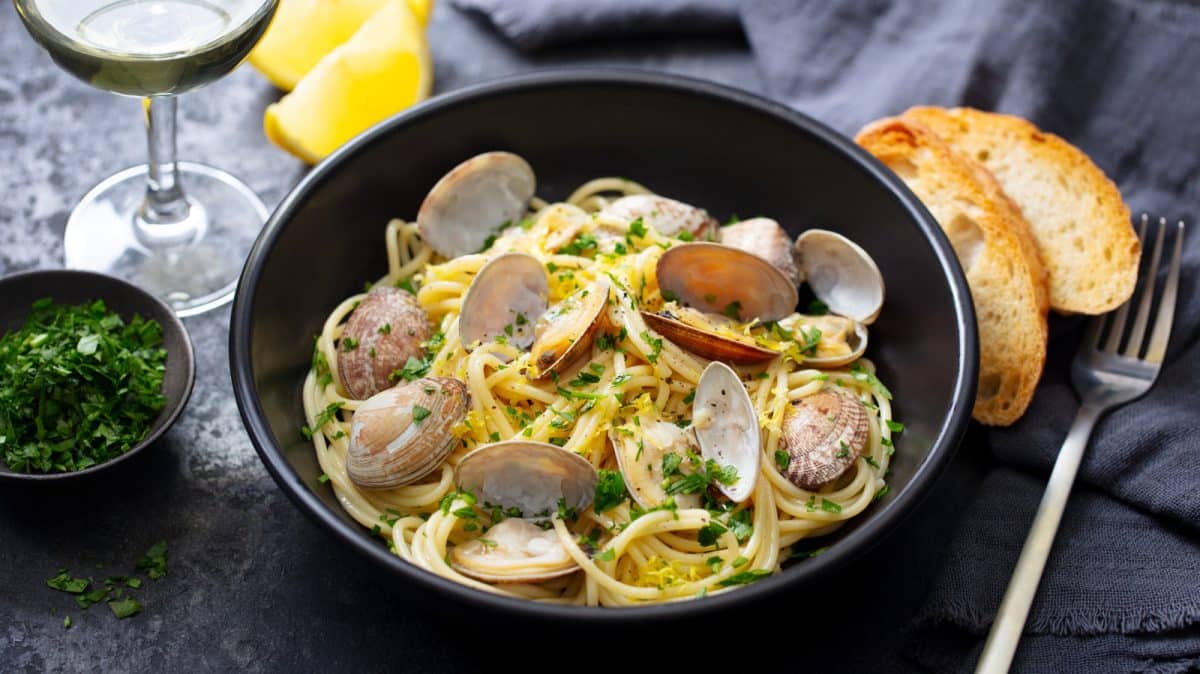
Chef White told attendees he often reaches for vermouth in the kitchen because it brings concentrated flavor without the need for extra aromatics. Unlike plain cooking wine, vermouth is a fortified, aromatized wine with botanical and citrus notes that can sharpen and balance a dish while complementing seafood’s natural brininess.
Why vermouth matters in seafood dishes
Caramel, butterscotch, toffee: how their differences affect your desserts
McDonald’s rebrands Twitter to honor Bubba Wallace after his first NASCAR Cup win
For home cooks, the swap is both practical and immediate: if you already keep vermouth for cocktails, it can double as a cooking liquid that adds complexity in place of standard white wine. **White vermouth** tends to contribute bright, herbaceous tones and a lifted acidity that enhances shrimp, clams, lobster, and lemon-based sauces without masking delicate seafood flavors.
Because vermouth is fortified, it carries more concentrated aromatics. A splash will often read as a layered note of citrus and herbs rather than just “wine,” producing a more nuanced finished plate.
Where to use it — quick guide for the home kitchen
- Seafood pasta: Deglaze the pan with a few tablespoons of white vermouth before adding broth or pasta water to build a more aromatic sauce.
- Risotto: Replace the customary white wine with vermouth for a herb-forward lift that plays well with Parmesan and butter.
- Butter-poached fish: Add a splash of white vermouth to introduce acidity and brighten the sauce without subduing richness.
- Red wine braises: Use red vermouth as an alternative to red wine when you want a slightly sweeter, spicier braising liquid—good for short ribs or slow-braised meats.
- Pan sauces: Finish reduced pan juices with a small amount of vermouth to add aromatic depth right before serving.
Practical tips matter: add vermouth in small amounts, taste as you go, and let the alcohol cook off briefly so you’re left with the concentrated flavors rather than boozy sharpness. Because some vermouths are sweeter than table wines, you may need to adjust seasoning—more acidity or salt can help keep the dish balanced.
For cooks curious about bottles: choose a dry, crisp white vermouth for shellfish and light pasta; reserve sweeter or spicier red vermouths for richer preparations and braises. Treat vermouth like a seasoning rather than a primary liquid—its role is to enhance, not dominate.
What this means for everyday cooking
Substituting vermouth is an easy way to upgrade familiar recipes without exotic ingredients or long technique changes. It’s a useful reminder that cocktail staples often have culinary value beyond the glass.
Whether you’re tightening a weeknight dinner or experimenting with restaurant techniques at home, a measured pour of vermouth can introduce a fresher, more layered profile to dishes that would otherwise rely on plain wine.
Irish whiskey: approachable bottles new drinkers should try today
Fishtown restaurants ranked: must-visit spots locals are raving about










