
Show summary Hide summary
Skim milk is often overlooked at the grocery shelf, but it can be a practical, low-fat option for many home-cooking tasks. With a few simple adjustments, it performs well in baking, sauces and everyday recipes—helping cooks stretch ingredients while trimming calories and saturated fat.
Understanding what skim milk brings to the table—and where it falls short—lets you decide when to swap it in and when to reach for a higher-fat alternative.
How skim milk behaves in the kitchen
Skim milk is essentially dairy with most of the fat removed. That change matters: fat influences flavor, richness and the way proteins react to heat. In practice, replacing whole milk with skim milk affects three key attributes—
Caramel, butterscotch, toffee: how their differences affect your desserts
McDonald’s rebrands Twitter to honor Bubba Wallace after his first NASCAR Cup win
- Texture: reduced creaminess means batters and sauces can feel leaner or thinner.
- Browning: lower fat can slightly limit crust color in baked goods.
- Stability: some emulsions or custards depend on fat for structure and may need technique tweaks.
That said, for many everyday recipes the swap is seamless if you know a few tricks.
Practical tips and common swaps
Most recipes accept a straight 1:1 substitution of skim for whole milk, but consider these adjustments to preserve quality:
- Add fat for mouthfeel—stir in 1 tablespoon of melted butter or a teaspoon of neutral oil per cup of skim milk when baking or making sauces to boost richness.
- Use powdered milk—reconstituting part of the liquid from milk powder raises solids and improves body in breads and pancakes.
- Temper and whisk—when making custards or creamy sauces, temper skim milk slowly into egg mixtures to avoid curdling or graininess.
- Lower temperatures—skim milk can scald faster in direct heat; use moderate heat and frequent stirring for milk-based soups and puddings.
- Don’t expect cream substitutes—skim milk cannot be whipped into peaks or fully replace heavy cream in recipes that rely on high fat content.
For coffee drinkers: skim milk steams but produces a thinner microfoam, which some prefer for a lighter latte; barista-specific skim formulas and protein-rich alternatives can help if you want more foam stability.
Where skim milk works best
Skim milk is a practical choice for everyday cooking where richness is desirable but not essential. It’s well-suited to:
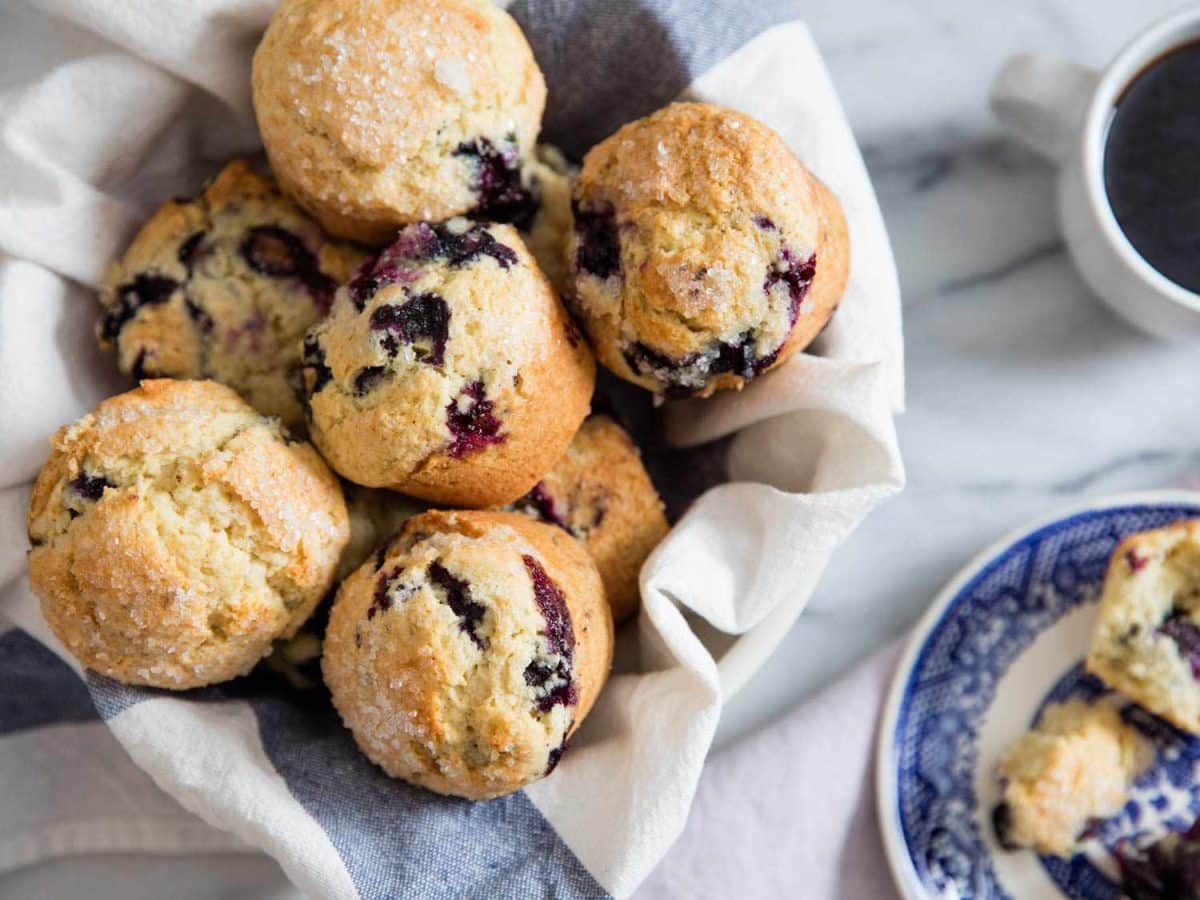
- Quick breads, muffins and pancakes (add a bit of fat if you want more tender crumbs)
- Soups and chowders that will be pureed or thickened with starch
- Light custards and puddings when combined with extra egg yolk or a stabilizer
- Sauces such as béchamel—finish with a knob of butter for silkiness
- Marinades, batters and casseroles where the milk is an ingredient among many
Recipes that depend on fat for structure or mouthfeel—like ice cream, ganache or a silky pastry cream—are better served by whole milk, cream or a carefully chosen substitute.
Quick reference: swap guidelines
- General baking: 1:1 substitution; add 1 tbsp butter per cup for richer results.
- Custards/creams: use more yolks or reduce liquid slightly to compensate for lower fat.
- Whipping/cream-based desserts: do not substitute—use heavy cream.
- Coffee/latte: expect thinner foam; consider a barista blend or reduced-fat alternative for froth.
For cooks aiming to balance calories with quality, skim milk is a versatile option when used with attention to texture and technique. Small adjustments—extra butter in batters, powdered milk to thicken, or gentler heating—can make the difference between an acceptable substitute and a truly satisfying result.
In short: keep a carton on hand, but think of it as a smart tool rather than a direct replacement for every dairy role in your kitchen.
Irish whiskey: approachable bottles new drinkers should try today
Fishtown restaurants ranked: must-visit spots locals are raving about










