Show summary Hide summary
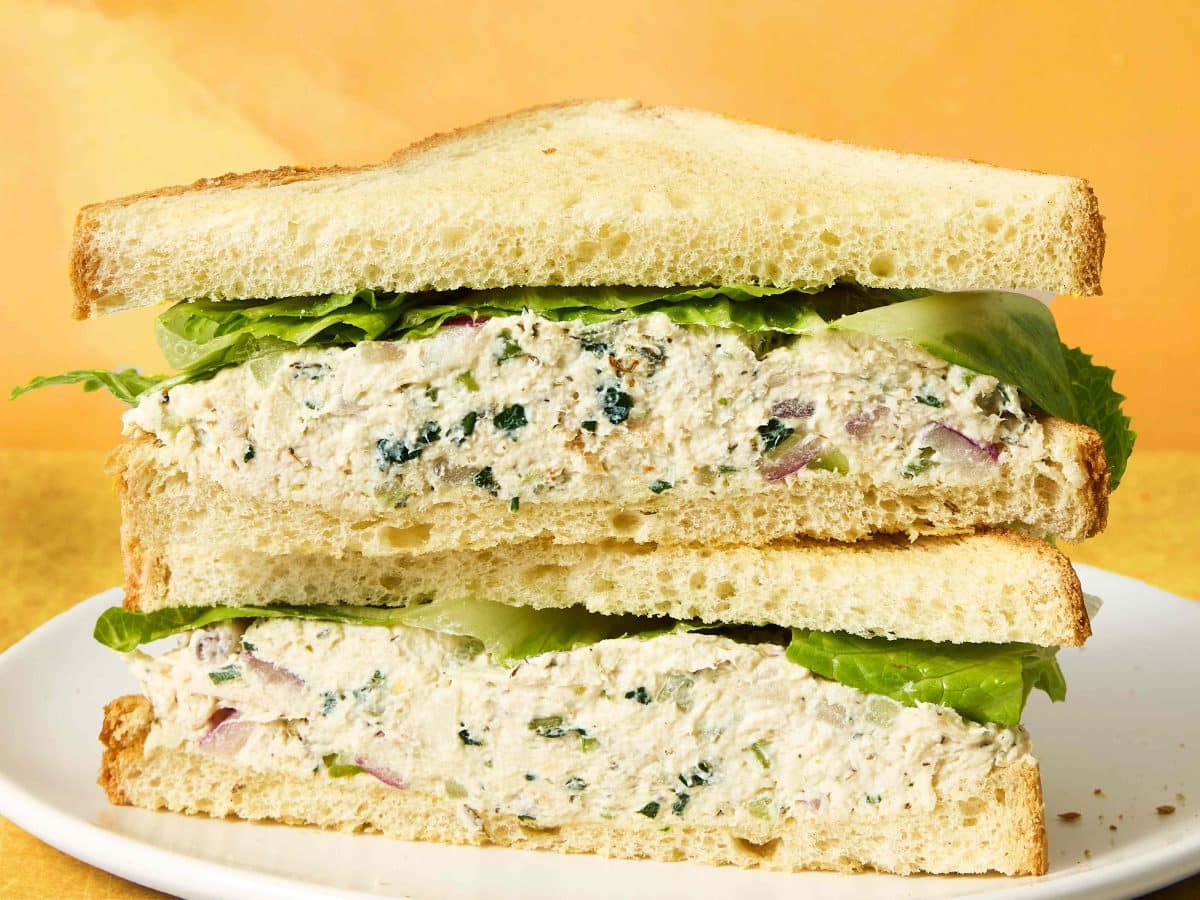
Swap the heavy mayo for a tangy Middle Eastern yogurt cheese and you get a lighter, more vibrant chicken salad that reads like spring on a plate. This small change brightens flavor, tightens texture and makes the salad work equally well for a packed lunch or a weekend picnic.
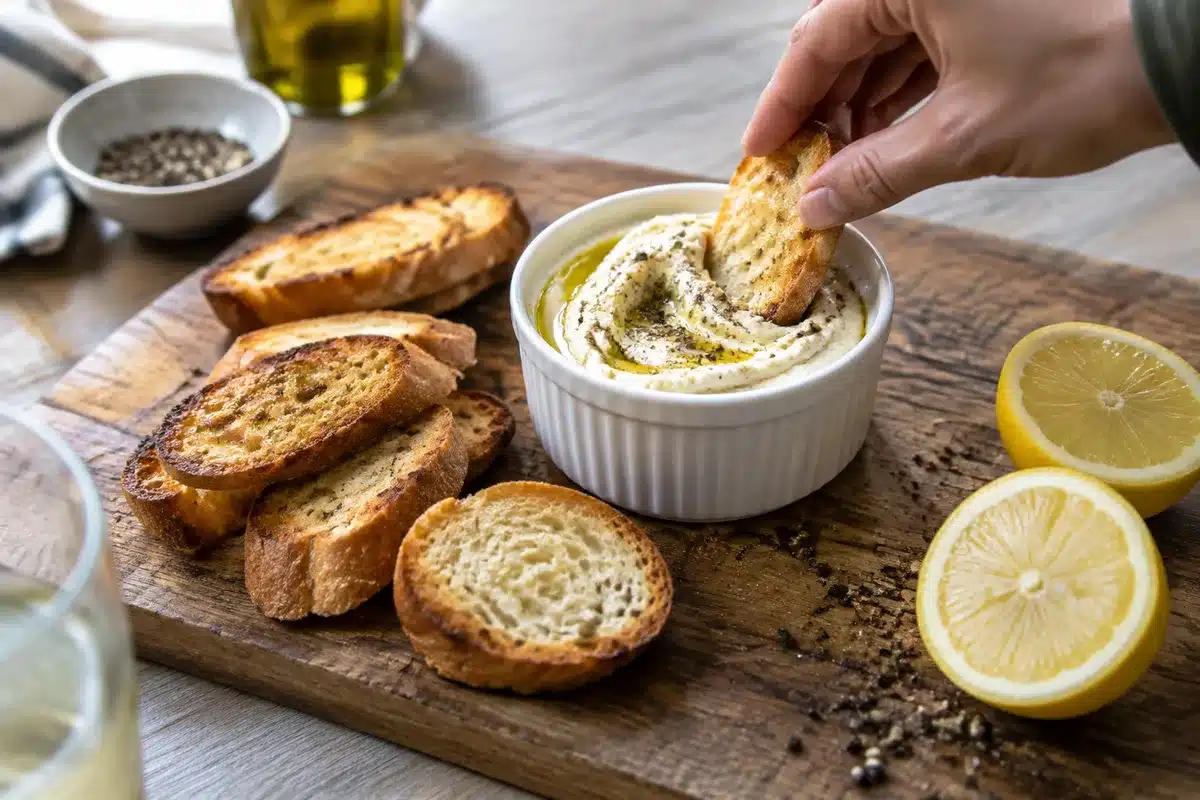
Labneh — a strained yogurt with a dense, creamy body — delivers acidity and richness without the oiliness mayonnaise can add. When folded into shredded or diced cooked chicken, it creates a spoonable dressing that clings to ingredients rather than pooling, so leaves, grains or bread stay fresh longer.
Why cooks are reaching for labneh
Beyond taste, swapping in labneh adjusts the salad’s mouthfeel and nutritional profile. It brings a lactic tang that complements bright seasonings like lemon and Middle Eastern spices, and because it’s lower in fat than many commercial mayonnaises, the overall dish feels lighter without sacrificing creaminess.
Caramel, butterscotch, toffee: how their differences affect your desserts
McDonald’s rebrands Twitter to honor Bubba Wallace after his first NASCAR Cup win
Chefs and home cooks also like the stability: labneh’s thicker texture helps dressings adhere to diced veg and herbs, reducing the tendency for salads to become watery after chilling.
Quick assembly framework
Think of labneh as a base you season rather than a ready-made dressing. A simple ratio to start with is roughly one part labneh to two parts shredded chicken, adjusted to taste.
- Use pulled or chopped roast chicken as the backbone.
- Brighten with citrus — a squeeze of lemon plus a little zest is effective.
- Add texture: celery, scallion, toasted nuts or seeds.
- Finish with an herb or spice accent: za’atar, sumac or chopped parsley.
At-a-glance comparison
| Feature | Mayonnaise | Labneh |
|---|---|---|
| Taste profile | Rich, neutral fat-forward | Tangy, yogurt-like |
| Texture | Slick, sometimes heavy | Thick, creamy, clings well |
| Calories & fat | Higher in fat | Generally lower fat |
| Best uses | Classic salads, aioli base | Fresh salads, spreads, Mediterranean flavors |
| Chill stability | Can separate when mixed with watery ingredients | Holds structure, less watery |
Practical tips for a polished salad
Small technique changes make the swap shine. If your labneh is very thick, loosen it with a tablespoon of olive oil or a splash of water to reach the texture you prefer. If it’s on the runnier side, strain it briefly through cheesecloth to concentrate the creaminess.
- Season labneh before combining with chicken — salt, pepper and acid matter.
- Add crunchy elements just before serving to preserve texture.
- For a smoky note, stir in a pinch of smoked paprika or fold in charred scallion.
- Store leftovers in an airtight container and use within 3–4 days; the acidity helps preservation but dairy still requires refrigeration.
Whether you’re updating a classic recipe or looking for a fresher, Mediterranean-leaning option, using labneh in place of mayo revamps chicken salad without complicating it. The result is a versatile, tang-forward dish that performs well on sandwiches, over greens or scooped onto warm pita.
Irish whiskey: approachable bottles new drinkers should try today
Fishtown restaurants ranked: must-visit spots locals are raving about