
Show summary Hide summary
Cream cheese is quietly one of the most useful items in a modern pantry: cheap, widely available and able to alter both flavor and texture in a single move. With more people cooking at home and hosting small gatherings again, knowing how to use one block of cream cheese can sharpen weeknight dinners and lift desserts without adding complexity.
Why cream cheese matters now
As grocery prices rise and cooks lean toward fewer, more flexible ingredients, cream cheese stands out for its ability to do double duty. It brings a mild tang to savory dishes, stabilizes mousses and cheesecakes, and gives dips and frostings a smooth, creamy backbone.
Caramel, butterscotch, toffee: how their differences affect your desserts
McDonald’s rebrands Twitter to honor Bubba Wallace after his first NASCAR Cup win
How it changes a recipe
Technically, cream cheese combines fat and water in an emulsion; that balance is what supplies both flavor and mouthfeel. In cold applications it adds body and spreadability; when heated it contributes silkiness and helps sauces cling to pasta or vegetables.
In baked goods and no-bake desserts it acts as a binder: a little goes a long way toward structure without the heaviness of butter or cream. That makes it especially useful for layered desserts, roll-ups and tarts where you want stability but not density.
Practical uses to try this week
- Savory dip: Blend with yogurt, herbs and lemon for a fast party dip that holds up to chips and crudités.
- Pasta sauce: Stir a few tablespoons into hot pasta for a glossy, clingy finish that beats heavy cream for economy.
- Quick frosting: Whip with powdered sugar and a splash of vanilla for an adaptable cake or cupcake topping.
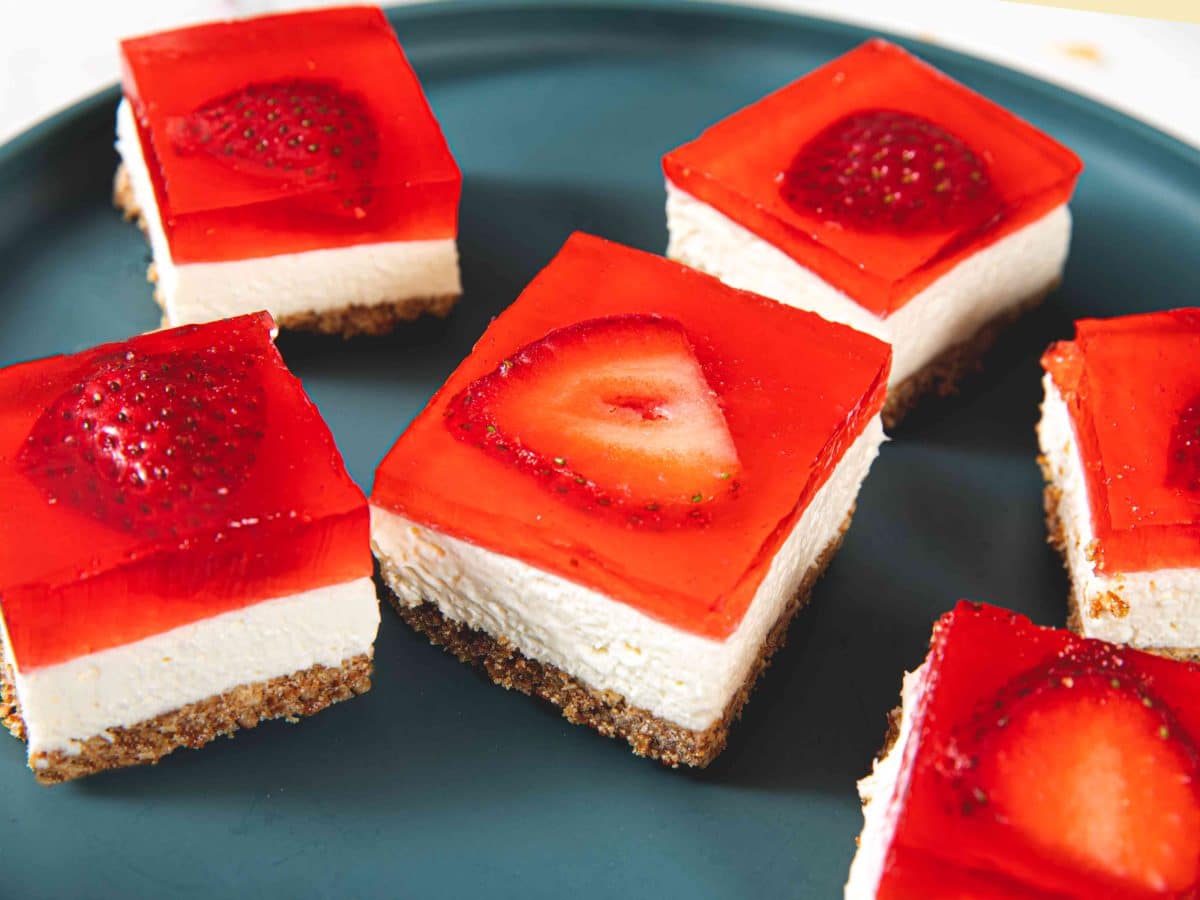
- No-bake desserts: Use as the base for cheesecakes, parfaits or a simple fruit-and-crumb tart.
- Stuffed mains: Combine with spinach, garlic and ricotta to stuff chicken breasts or mushrooms.
Recipe quick-reference
| Recipe | Time | Skill | Why cream cheese works |
|---|---|---|---|
| Herbed cream-cheese dip | 10 minutes | Easy | Provides richness and a stable base for fresh herbs |
| One-pan creamy pasta | 20 minutes | Easy | Thickens sauce without separating |
| No-bake strawberry tart | 30 minutes (+ chill) | Medium | Holds filling shape and complements fruit acidity |
| Spinach-stuffed chicken | 40 minutes | Medium | Adds moisture and helps filling bind |
Short techniques that make a difference
For smooth results, always start with cream cheese at room temperature. Cold blocks resist blending and can leave lumps; warm cheese blends silky with a spoon or mixer. When you need loft—such as in frosting or a mousse—beat it with a small amount of sugar to incorporate air, but avoid overbeating, which can make textures grainy.
To thin sauces, add a splash of pasta water or lemon juice gradually; for firmer fillings, a touch of powdered sugar or cornstarch will stabilize without changing flavor.
Nutrition and substitutes
Cream cheese is calorie-dense and fairly high in saturated fat, so portion control matters if you’re watching intake. Lower-fat versions and Neufchâtel offer similar texture with fewer calories, while mascarpone or ricotta substitute when creaminess is desired without the tang.
Storage and safety
Store unopened cream cheese in the refrigerator and use by the printed date once opened—typically within 7–10 days for best quality. It freezes reasonably well for cooking, although texture can change on thawing; frozen blocks are best used in baked or cooked dishes rather than spreads.
Small, reliable adjustments—softening, gentle whipping, or pairing with acidic ingredients like citrus or vinegar—turn a simple block into a versatile tool. Whether you’re simplifying weeknight cooking or planning a seasonal dessert, cream cheese remains a low-cost way to improve texture and flavor without extra fuss.
Irish whiskey: approachable bottles new drinkers should try today
Fishtown restaurants ranked: must-visit spots locals are raving about










