Show summary Hide summary
Last month the Centers for Disease Control and Prevention linked slivered onions used on McDonald’s Quarter Pounders to a multistate E. coli outbreak, prompting a supplier recall and a temporary menu change at the chain. The notice narrowed the risk to food-service channels, but the episode has renewed questions about how to handle and prepare onions safely at home.
The CDC says at least 104 people across 14 states reported illness in the outbreak, and one death in Colorado has been associated with it; officials warn the true number of cases is probably higher because not everyone who falls ill is tested or reported. The recalled product came from a supplier that served restaurants and other food-service operations rather than retail grocery stores, according to investigators.
How onions pick up harmful bacteria
Fresh produce can be contaminated at many points: with tainted irrigation water in the field, from contact with contaminated soil, during harvesting, or later in processing and distribution. Hands, cutting boards and food-prep surfaces are common vectors when proper hygiene isn’t maintained.
Caramel, butterscotch, toffee: how their differences affect your desserts
McDonald’s rebrands Twitter to honor Bubba Wallace after his first NASCAR Cup win
Sarah Heckler, a registered dietitian, notes that handling and storage mistakes create opportunities for pathogens like E. coli to multiply. “If an onion’s skin is broken or the bulb is bruised, those damaged areas are more likely to harbor microbes,” she said.
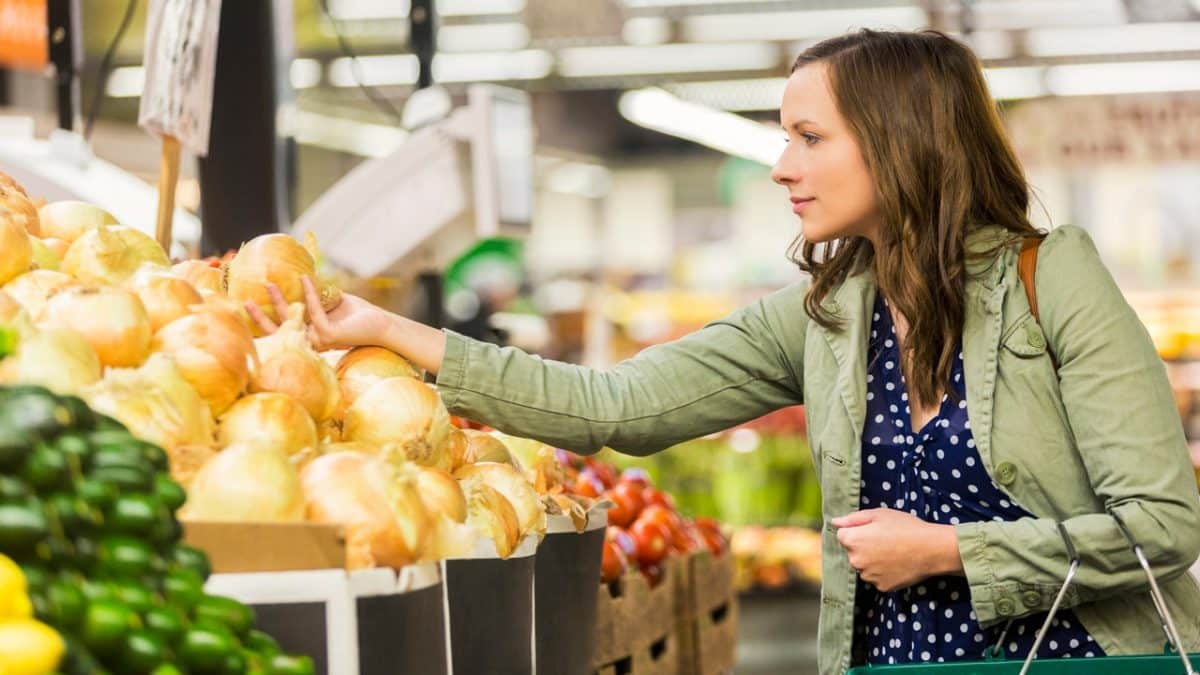
Donald Schaffner, chair of food science at Rutgers University, also highlights the risk posed by damaged produce. He recommends choosing bulbs without nicks or cuts at the point of purchase because those imperfections can become sites for microbial growth.
Onions are still nutritious
Despite the outbreak, experts stress that onions remain a nutritious component of most diets. They are a source of vitamin C and B6, provide minerals like potassium and manganese, and contribute fiber and antioxidants that support general health. Consuming onions in cooked dishes also reduces the chance of infection because heat kills many pathogens.
Cooking to an internal temperature of 165°F is effective at destroying E. coli and other harmful bacteria, making hot-prepared onions safer than raw ones for those worried about contamination.
Simple steps to lower your risk
Food-safety professionals advise straightforward, everyday practices to reduce the chance of contamination. These measures are especially important during busy holiday meal prep, when multiple people and dishes increase the risk of cross-contact.
- Inspect bulbs before buying: choose firm onions with intact skin and no soft spots.
- Store whole onions in a cool, dry, well-ventilated place away from direct sunlight.
- Wash hands before and after handling raw onions.
- Rinse the outer surface under running cold water before cutting; use a clean knife and cutting board.
- Keep a separate prep area for raw produce, away from raw meats and their juices.
- Cook onions thoroughly when safety is a concern; reheated dishes should reach at least 165°F.
- Discard bulbs that are mushy, moldy, or have deep cuts that cannot be trimmed away.
Erin Palinski-Wade, a registered dietitian, emphasizes hand hygiene and clean workspaces. She also suggests being mindful of how long items sit at room temperature—“Perishable foods left out too long can become unsafe,” she said—so refrigerate leftovers promptly.
For most consumers, the CDC’s recall of the specific supplier limits immediate exposure: the affected onions were distributed primarily to restaurants and food-service businesses, not retail grocery stores. Still, the incident is a reminder that routine food-safety steps—selection, storage, cleaning and proper cooking—remain the best defenses against foodborne illness.
Key takeaways:
- E. coli can contaminate onions in the field or later through improper handling.
- The recent recall targeted food-service supply chains rather than consumer grocery shelves.
- Simple precautions—inspect, wash hands, separate, and cook—significantly reduce risk.
Irish whiskey: approachable bottles new drinkers should try today
Fishtown restaurants ranked: must-visit spots locals are raving about