Show summary Hide summary
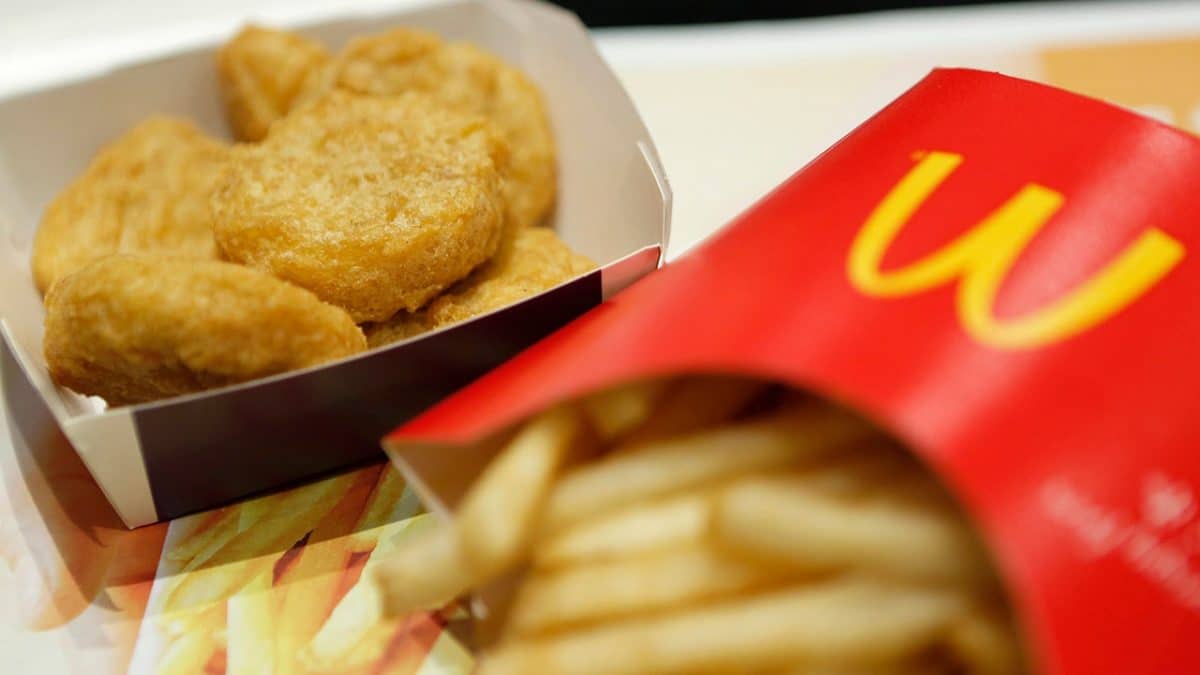
McDonald’s Chicken McNuggets—an iconic menu item since the early 1980s—are more deliberate in design than they look: every nugget is produced in one of four specific shapes to help with cooking consistency and consumer ease. Recent company videos and archival material explain how a kitchen experiment led to the product and why those shapes still matter for restaurants and customers today.
What began as a culinary detour for a McDonald’s chef eventually became a mass-market product after early trials showed strong customer demand. The chain rolled out the item in the United States in 1983 and expanded it internationally the following year, where it quickly became a global staple.
From an experiment to a staple
Caramel, butterscotch, toffee: how their differences affect your desserts
McDonald’s rebrands Twitter to honor Bubba Wallace after his first NASCAR Cup win
McDonald’s credits the nugget’s origin to development work in the late 1970s. A test recipe for a different snack failed to meet expectations, and an executive suggested switching focus to chicken. That pivot led to a product that passed kitchen trials and won quick approval during limited market tests.
Initial portion options included six-, nine- and 20-piece servings. Today’s menu typically offers boxes in four, six, 10, 20 and 40 pieces, reflecting both changing consumer habits and the brand’s emphasis on variety.
How the nuggets are made
A company-produced video and other materials outline the basic manufacturing steps: whole chicken breasts are separated, ground and seasoned, with a small amount of chicken skin sometimes added to bind the mixture. The shaped pieces are then breaded, par-fried and frozen at the factory before final frying at restaurants.
In 2003 McDonald’s updated the recipe to use only white meat chicken in the U.S., a change that the company said was aimed at product transparency and quality.
Four shapes with a purpose
McDonald’s designers did not create the shapes randomly. Their stated goal was practical: promote even cooking, make the pieces easy to hold and bite, and add a light, playful variety to the tray.
- Bow Tie (or Bone) — flatter and slightly elongated, meant to crisp evenly while offering a familiar silhouette.
- Ball — rounded for a tender center and predictable cooking time.
- Bell — wider at the bottom to balance breading and heat distribution.
- Boot — an irregular form intended to combine a crisp edge with a meaty interior.
These forms are created at the processing stage and are finished at restaurants, where a second fry completes cooking and restores crispness.
Beyond shape: flavors and evolution
The original dipping sauces included honey, sweet‑and‑sour, hot mustard and barbecue. Over decades the roster has expanded: McDonald’s reports more than two dozen different nugget sauces have been available in the U.S. alone, reflecting shifting tastes and limited-time promotions.
Company videos posted over the years—most notably a behind-the-scenes feature from McDonald’s Canada and a newer 2023 clip about nugget design—have brought renewed public attention to how the product is developed and manufactured.
Why this matters now: The nugget’s design highlights how fast-food operations combine culinary development with production engineering. For consumers, it explains consistency across millions of restaurants; for industry watchers, it illustrates how small product design choices can affect supply chains, cooking processes and brand perception.
McDonald’s declined to provide additional comment beyond its published materials when asked for further details.
Sources: McDonald’s corporate publications and company-produced video content provide the primary account of product development and manufacturing steps discussed above.
Irish whiskey: approachable bottles new drinkers should try today
Fishtown restaurants ranked: must-visit spots locals are raving about