Show summary Hide summary
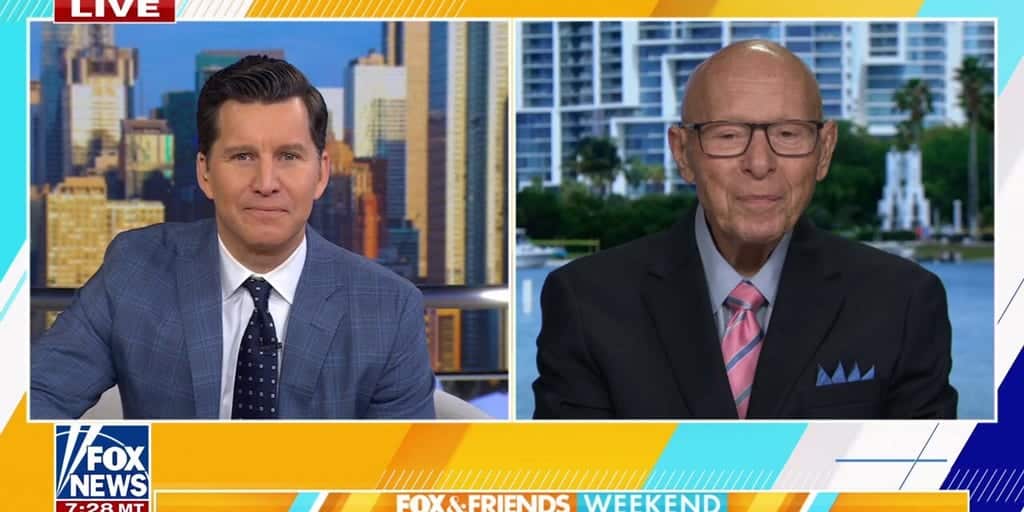
A former McDonald’s CEO has warned that Corporate America is increasingly distancing itself from President Biden, a remark that captures simmering tensions between business leaders and the White House at a moment when corporate decisions carry outsized political and economic weight. If the trend is real, it could reshape corporate political activity, investment decisions and messaging ahead of the next national election.
The comment, attributed to a former McDonald’s chief executive, has reignited discussion about how closely large companies should align with administrations — and what drives any retreat. Business executives point to shifting regulatory priorities, tax and labor proposals, and the volatile political climate as reasons they may be unwilling to be publicly identified with the current White House.
At stake is more than corporate reputation. Companies that step back from presidential engagement may influence the pace of hiring, capital spending and public policy advocacy. For consumers and workers, the outcome could affect everything from service prices to job growth.
Caramel, butterscotch, toffee: how their differences affect your desserts
McDonald’s rebrands Twitter to honor Bubba Wallace after his first NASCAR Cup win
Why some companies are pulling away
Several practical pressures are nudging corporate leaders to keep distance from national politics:
- Regulatory uncertainty: Firms say rapid or unpredictable rule changes raise commercial risk, prompting caution in public alignments.
- Reputational calculus: In a polarized electorate, political association can alienate segments of customers and employees.
- Shareholder focus: Boards increasingly demand decisions that prioritize short-term financial performance over public policy partnerships.
- Investor signaling: Some asset managers prefer neutrality from portfolio companies to protect returns amid political volatility.
Not every boardroom is trending the same way. Some corporations continue to work closely with the White House on narrow issues — supply chain resilience, trade, or workforce training — while avoiding broader political endorsements. Others are recalibrating how they engage publicly, favoring quiet lobbying over headline-making support or criticism.
Possible consequences
Pulling back from visible engagement with the administration could have several consequences for both Washington and the private sector. Short-term, it may reduce business influence on rule-making. Over time, diminished collaboration could slow implementation of public-private initiatives that depend on corporate participation.
There are electoral stakes too. Corporate neutrality may change the pattern of campaign contributions and endorsements, potentially shifting the balance of behind-the-scenes influence in high-stakes policy battles.
How company strategies differ
Responses vary across industries. Tech and finance firms often favor discrete, issue-focused engagement, while consumer-facing brands weigh public stances against potential backlash. Energy and healthcare companies may engage more aggressively where regulation directly affects core business models.
Analysts caution that rhetoric about a wholesale corporate exodus can be overstated. Many executives are adopting a selective approach: defend core business interests, avoid partisan signaling, and preserve optionality for future engagement.
What to watch next:
- Corporate filings and PAC contributions in coming quarters for signs of shifting donor patterns.
- Statements from major trade groups and CEOs on administration policy proposals.
- Any increase in private-sector-led initiatives that bypass federal channels.
The remark attributed to the former McDonald’s CEO is a reminder that the relationship between business and government is dynamic and often reactive. How companies choose to engage with the White House now will influence policy outcomes, market behavior and voter perceptions as the political calendar advances.
Irish whiskey: approachable bottles new drinkers should try today
Fishtown restaurants ranked: must-visit spots locals are raving about