Show summary Hide summary
As temperatures climb and markets brim with seasonal catch, many home cooks shift from heavy winter stews to quicker, lighter seafood plates that take advantage of fresh ingredients. That change matters now: lighter seafood dinners are faster to prepare, often healthier, and easier to source sustainably—if you know what to look for.
Why now is the best time to switch to seafood
Spring and early summer bring a predictable change at fishmongers and farmers markets. Local boats start to return with small, delicate fish and shellfish that respond well to brief cooking or raw preparations. Beyond flavor, choosing in-season seafood can reduce costs and environmental impact because shorter supply chains mean fresher product and fewer transport emissions.
Caramel, butterscotch, toffee: how their differences affect your desserts
McDonald’s rebrands Twitter to honor Bubba Wallace after his first NASCAR Cup win
For readers planning weeknight menus, the practical payoff is immediate: many of the best seasonal options cook in minutes, freeing time for other tasks or alfresco meals.
What to buy this season
Look for items that hold up to quick cooking or chilled preparations. When you visit a market or store, ask the seller when the fish arrived and how it was handled. Freshness is a top priority—smell should be clean and briny, not fishy, and flesh should be firm.
- Shellfish: Shrimp, mussels, clams, and scallops are versatile and fast.
- Firm white fish: Sea bass, cod, and halibut stand up to grilling and searing.
- Silvery fish: Sardines and mackerel work well for quick roasting or grilling and are rich in omega-3s.
- Quick-cook fillets: Trout and sole are ideal for pan-frying or steaming.
Quick techniques that brighten seafood
Simple methods highlight seafood’s natural flavors. A hot pan, brief high heat, and finishing acid—lemon, lime, or a splash of vinegar—can transform a simple fillet.
Below are dependable techniques to keep on hand:
- Pan-sear fillets on high heat for a crisp exterior and tender interior (2–4 minutes per side depending on thickness).
- Steam shellfish in a covered pot with aromatics and finish with herbs and citrus—mussels and clams open quickly, signaling they’re done.
- Poach delicate fish gently in a flavorful broth to preserve moisture.
- For raw or cured preparations, always use the freshest fish and follow safety guidance on freezing when necessary.
Health, safety and sustainability pointers
Seafood can be an excellent source of lean protein and essential fats, but choices have implications. Check local advisories for contaminants if you or household members are pregnant or have specific dietary concerns. For environmental impact, prefer certified options or consult resources like regional seafood guides when possible.
When buying frozen, look for flash-frozen labels—these products often lock in quality close to the harvest time. And always store seafood cold and use it within one to two days of purchase for the best texture and safety.
Five easy weeknight ideas
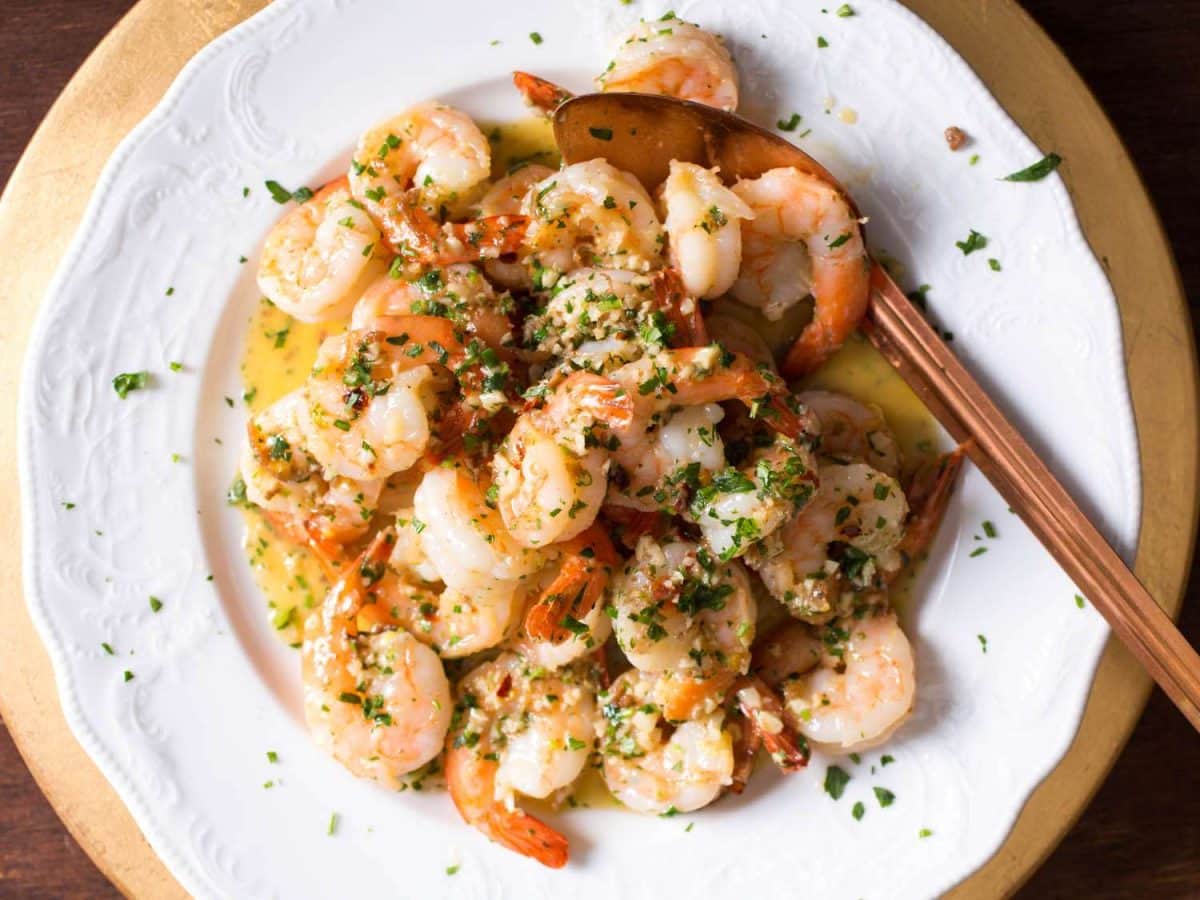
- Garlic-sautéed shrimp: Cook shrimp in olive oil with garlic and red pepper flakes; finish with lemon and parsley. Ready in under 10 minutes.
- Grilled fillets with herb oil: Brush firm fish with an herb-infused oil and grill until flaky. Serve with a green salad.
- Steamed mussels in white wine: Steam with shallots and thyme, then toss with crusty bread to soak up the broth.
- Pan-seared scallops: Sear on high heat until golden and pair with a citrusy pea purée.
- Quick ceviche: Marinate small cubes of firm fish in citrus, chile, and cilantro for a bright, no-cook entrée—observe safe-handling guidelines.
These dishes are easy to scale, forgiving in timing, and adaptable to pantry staples—olive oil, garlic, citrus, fresh herbs, and a good quality salt will carry most preparations.
Wrapping up: what to keep in mind
Switching to lighter seafood dinners this season can refresh your weeknight routine, support more sustainable choices, and deliver fast, flavorful meals. Pay attention to freshness, choose items that suit quick-cook methods, and use simple finishes—acid, herbs, and a splash of good oil—to let the seafood shine.
With a few market-savvy habits and basic techniques, you can turn seasonal catch into reliable, bright dinners throughout spring and into summer. Try one new preparation this week and note how much time—and flavor—you gain.
Irish whiskey: approachable bottles new drinkers should try today
Fishtown restaurants ranked: must-visit spots locals are raving about