Show summary Hide summary
Celebrity chef Andrew Zimmern warns that rising menu prices and oversized portions are reshaping where Americans eat — and not for the better. He tells Fox News Digital that the current mix of cost pressures and portion-driven value is steering diners toward chain restaurants and away from independent neighborhood spots, with consequences for health, local economies and culinary variety.
Zimmern, who lives in Minnesota and is the host of the Emmy-winning series Hope in the Water and co-author of the Blue Food Cookbook, frames the shift as a system-level problem rather than a failure of taste. In his view, the way restaurants are priced and plated today discourages everyday dining at independent establishments and makes fast-food and chain options the default for many families.
Why this matters now
As costs for ingredients and labor climb, restaurants have had to change how they price and portion dishes. According to the Independent Restaurant Coalition, roughly nine in 10 independent operators have increased menu prices to stay afloat — a pattern that, Zimmern says, risks pushing smaller restaurants to close while chains expand.
Caramel, butterscotch, toffee: how their differences affect your desserts
McDonald’s rebrands Twitter to honor Bubba Wallace after his first NASCAR Cup win
That trend has three immediate implications for readers:
- Affordability: Higher prices limit who can dine out regularly, shifting social and cultural dining patterns.
- Public health: Larger, cheaper portions often rely on more processed ingredients, which can affect nutrition at scale.
- Local economies: The loss of independent restaurants reduces diversity in employment and neighborhood identity.
What Zimmern proposes
Zimmern argues for a practical reset in how restaurants build menus and how customers approach dining. He suggests offering smaller portions of meat, expanding seafood and plant-forward choices, and designing price points that allow more people to visit local restaurants regularly.
He also urges diners to be more inquisitive about sourcing. “We need to ask more questions in restaurants and hold their feet to the fire,” he said, stressing transparency around where food is bought and how it is produced.
That approach, he says, could revive a broader culture of communal, affordable dining that includes — rather than excludes — typical neighborhood customers.
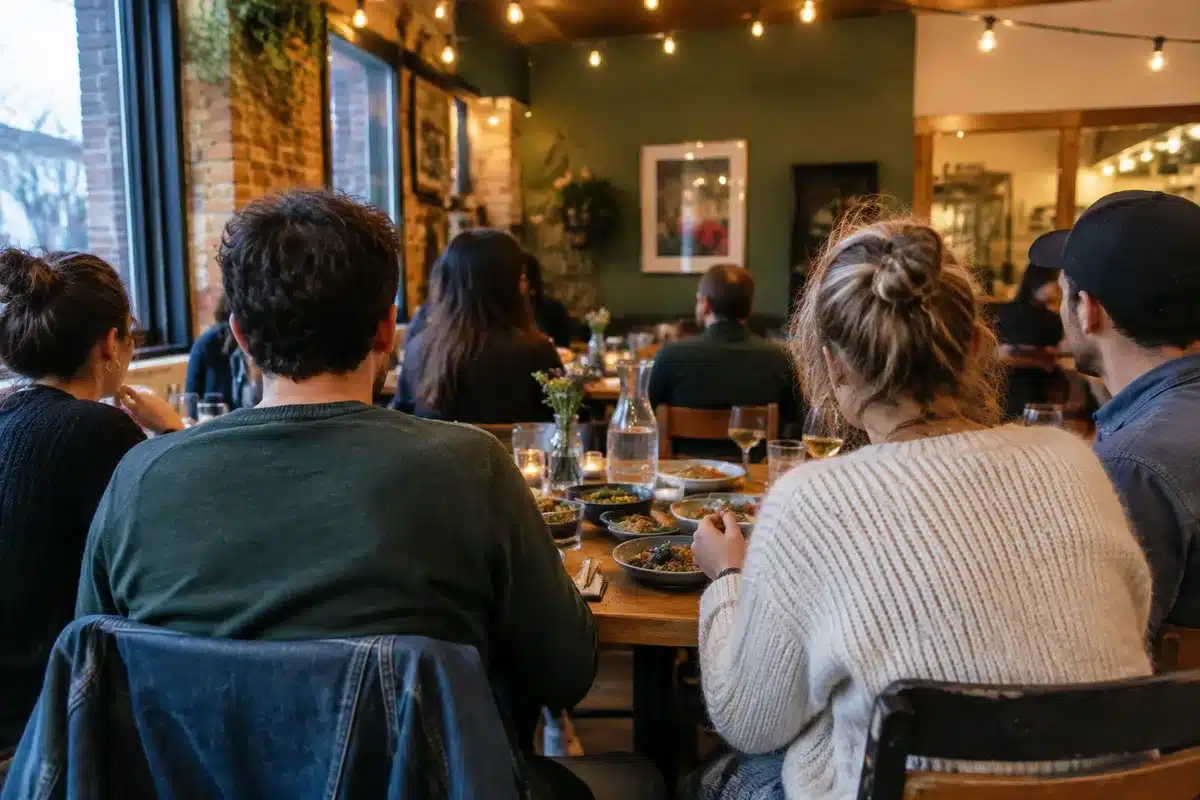
On the ground: independent vs. chain
Zimmern points out an observable pattern: independent restaurants are the ones most at risk, while multi-unit and chain concepts are the ones expanding. The Independent Restaurant Coalition’s survey findings provide a data point: many small operators have raised prices to cope with rising costs.
For readers, the outcome is straightforward: fewer independent venues mean fewer unique menus, less experimentation and a shrinking local restaurant ecosystem.
Practical steps for diners and restaurateurs
- For diners: ask about portion sizes and sourcing, consider sharing entrées, and try midweek or early-bird dining to reduce costs.
- For restaurants: explore menu engineering that features smaller protein portions, build more affordable shared plates, and highlight sourcing to build trust.
- For communities: support policies that address labor and supply-cost pressures on independent operators to preserve neighborhood dining options.
Zimmern’s call is both culinary and civic: bring quality food back within reach for more people, and resist a future where convenience and price alone determine what most Americans eat.
The National Restaurant Association was contacted for comment on these trends.
Reported by Peter Burke, Fox News Digital.
Irish whiskey: approachable bottles new drinkers should try today
Fishtown restaurants ranked: must-visit spots locals are raving about